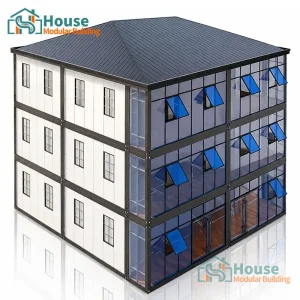
High-efficiency, quick-assembly structures and insulated modular systems engineered for Bucharest, Cluj-Napoca, and Constanța regional construction dynamics.
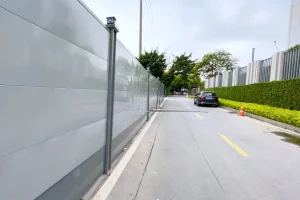
Romania has positioned itself as one of the fastest-growing industrial and logistics hubs in Central and Eastern Europe (CEE). Driven by massive EU funding initiatives under the National Recovery and Resilience Plan (PNRR) and substantial foreign direct investments, cities like Bucharest, Timișoara, Cluj-Napoca, and Constanța are witnessing an unprecedented expansion of class-A warehouses, agricultural cold storages, and advanced manufacturing facilities. This rapid industrialization demands construction materials that prioritize thermal efficiency, safety, and velocity of erection.
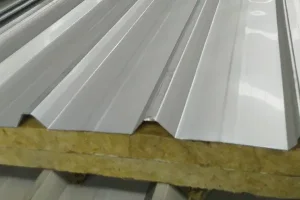
Sandwich panels have become the baseline standard for contemporary industrial envelopes. By merging structural integrity with state-of-the-art insulation cores—such as Polyisocyanurate (PIR), Polyurethane (PUR), and Rockwool—sandwich panels offer Romanian developers an optimized approach to building energy-efficient envelopes. As Romania aligns strictly with the EU Green Deal regulations and enforces national energy-efficiency criteria, selecting the correct composite cladding panels and specialized structural fittings is no longer just a purchasing decision—it is a critical compliance and engineering task.
For Romanian industrial builders, our supply system delivers complete structural certainty. We combine high-volume manufacturing capabilities with a complete line of engineering-grade fittings (flashings, structural connectors, and localized fastening systems) to ensure that thermal bridges are fully eliminated, ensuring continuous compliance with Romanian building standards (e.g., Normativ C56).
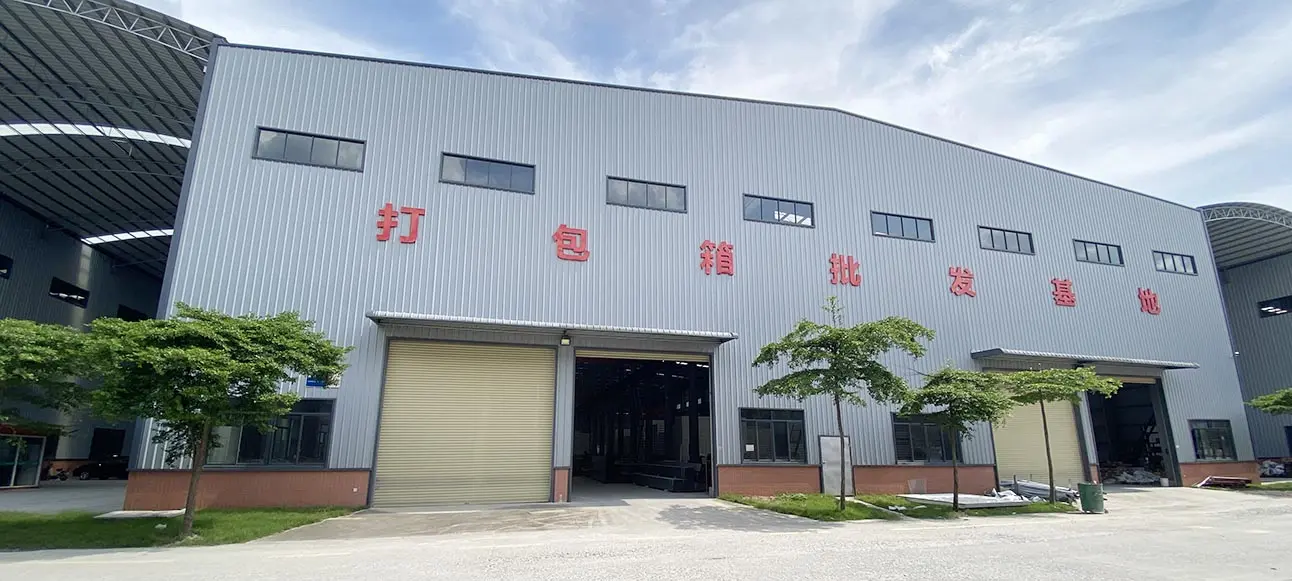
Deciphering the science behind insulation efficiency, mechanical load capacities, and fire dynamics for modern structural envelopes.
Utilizing high-density (38-42 kg/m³) Polyisocyanurate (PIR) cores, our panels achieve thermal conductivities as low as 0.022 W/m·K. This enables thinner structural envelopes while easily meeting the demanding U-value limitations required by European energy codes. PIR core formulations ensure superior fire resistance, forming a carbonaceous char layer when exposed to flames that prevents fire propagation.
Our sandwich panels are tested and certified to European fire classification standards, reaching B-s1, d0 ratings for PIR products and A2-s1, d0 for Rockwool core configurations. This level of fire safety is critical for large-scale Romanian retail structures, logistics depots, and production facilities seeking local ISU (Inspectorate for Emergency Situations) operational permits.
Featuring hot-dip galvanized steel substrates (S220GD to S350GD structural steel) with zinc coatings from Z100 to Z275. Surface finishes range from Standard Polyester (25µm) for standard industrial applications to high-durability coatings like PVDF or Polyurethane-Polyamide (50µm Pur制作) for coastal projects in Constanța or ammonia-rich agricultural environments.
From Transylvania's manufacturing corridor to the Black Sea maritime shipping routes, customized cladding and enclosure profiles are designed to withstand specific environmental demands.
These massive logistics terminals utilize our high-span roof panels (such as 5-rib trapezoidal profiles) combined with specialized leak-proof fasteners. These systems withstand heavy winter snow loads and wind loads characteristic of the Romanian plains while maintaining continuous thermal isolation.
For fruit and vegetable logistics networks in Transylvania, we supply PIR panels with thicknesses up to 200mm. Integrated joint geometries combined with food-safe PVC/PET laminated coatings ensure compliance with European hygiene standards, preventing biological contamination and ensuring clean, thermal-bridge-free seals.
Proximity to saline environments requires premium corrosion-resistant panel skins. We utilize specialized organic coatings (such as high-build polyurethane) and stainless steel A4-grade fasteners with EPDM sealing washers to guarantee long-term durability and structural integrity under aggressive marine conditions.
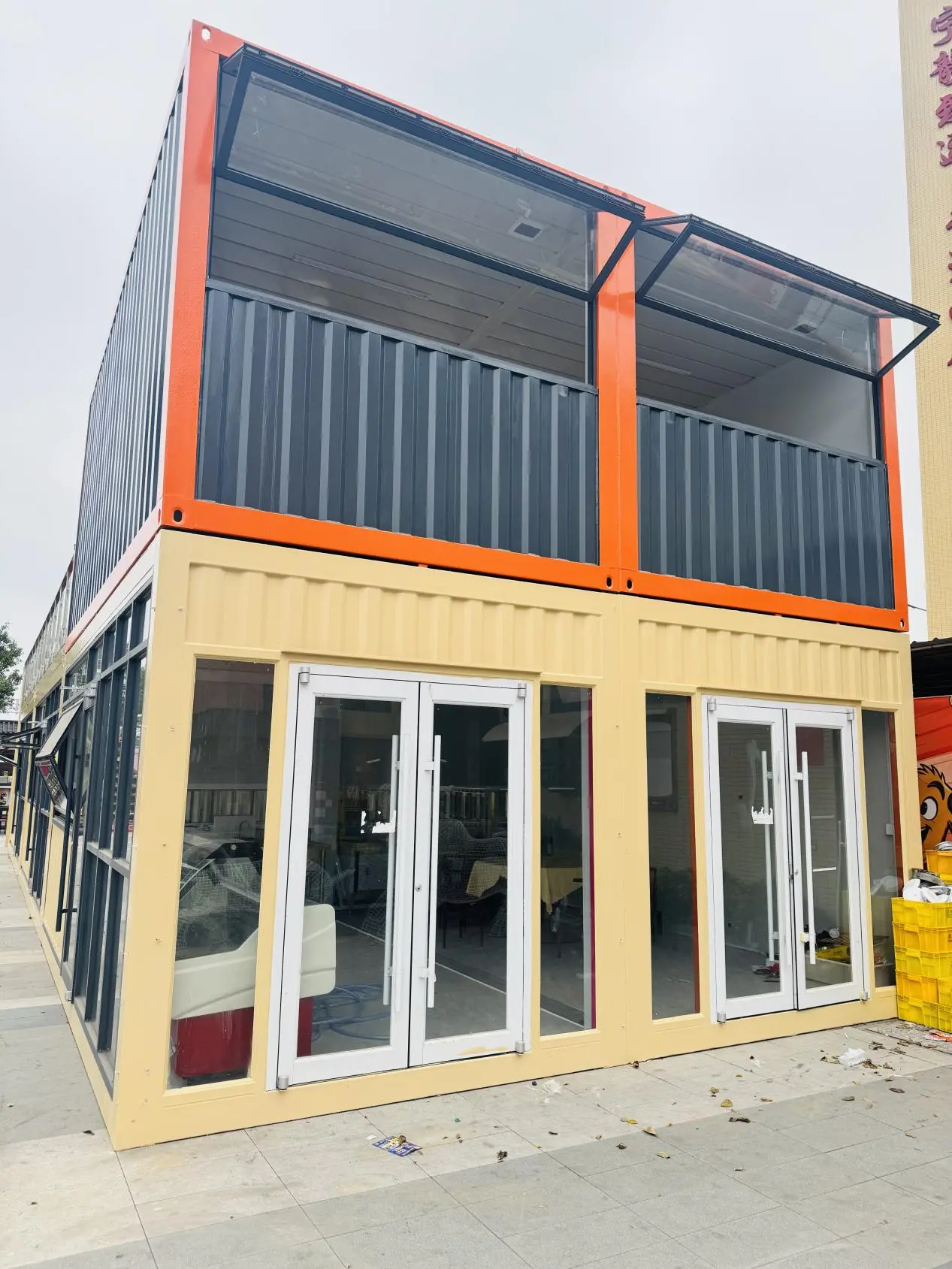
A reliable supply chain is crucial for keeping industrial projects on schedule. In the sandwich panel industry, shipping bulky composite panels across borders requires robust logistical planning and technical support. Recognizing this, our global-local integration is designed to match the fast construction cycles of the Romanian market.
We provide comprehensive design support, detailing structural calculations in accordance with Eurocode 3 (Steel Structures) and Eurocode 9 (Aluminum Structures), adapted to local Romanian seismic codes (P100-1). Our engineering team assists general contractors in specifying the correct panel thickness, spanning capacities, and matching fasteners to minimize material waste and installation errors.
Additionally, we supply custom-engineered fittings—such as inner/outer corner flashings, drip edges, ridge caps, and sanitary profiles. These components are vital for ensuring structural airtightness, preventing rain infiltration in high-wind regions, and satisfying the airtightness thresholds required for energy-efficient commercial certifications like BREEAM or LEED.
Key statistics reflecting the growing demand for highly insulated sandwich panels and modular building components.
On a global scale, the sandwich panel market is undergoing a major transition from traditional insulation materials (like expanded polystyrene EPS) toward high-performance PIR and eco-friendly Rockwool composite solutions. This shift is driven by strict global building regulations concerning fire safety and carbon footprints. As energy costs remain volatile in Europe, investing in high-R-value building envelopes provides a direct path to reducing operational costs in warehouses and industrial facilities, making panels with advanced insulation cores the preferred choice for long-term real estate investments.
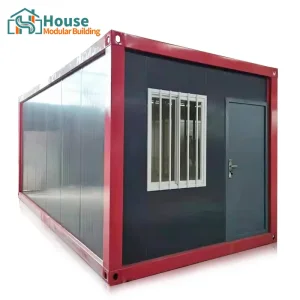
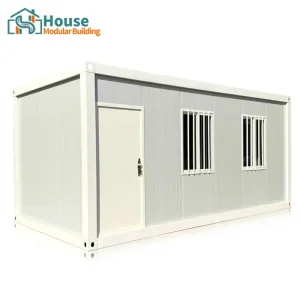
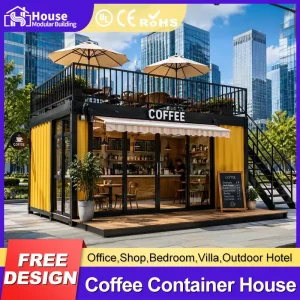
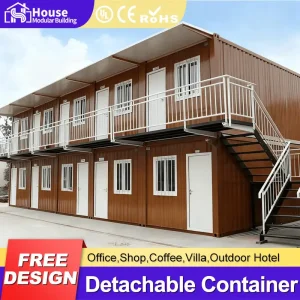
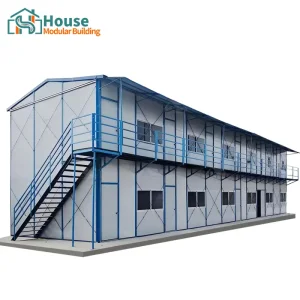
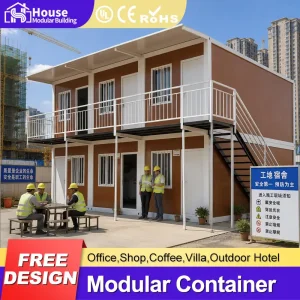
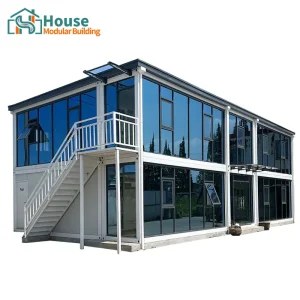
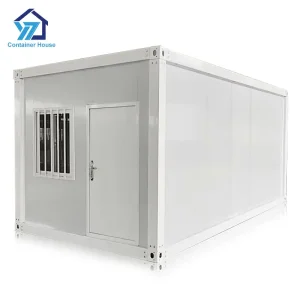
House Modular Building has rich professional knowledge and experience in the production of container houses and prefabricated houses. The company has a design team to provide solution design for customers' needs, a sales team to follow up and serve customers' order requirements, and the factory guarantees product delivery with quality and production efficiency.
In order to better serve customers and demonstrate the company's production and delivery capabilities, we have established production bases in both the north and south of China to provide efficient delivery capabilities to customers with different national needs. We support OEM and ODM operations in our factory for different countries, and provide distributors with a mutually beneficial partnership.
For a long time, with the evaluation and recognition of customer satisfaction, our company team has comprehensive service capabilities and business technology coverage, starting from the production of raw materials, to the construction and construction of foundations, and then to the construction and operation of service systems.
House Modular is a production oriented enterprise. The company has a large production base, and the factory has a senior professional independent research and development team. The factory currently has more than 200 employees, among which technical personnel such as shell research and development account for more than 30% of the total number of employees; More than 60% of the employees have over 5 years of experience in the shell production industry, and the core members of the team have worked in the building materials service field for more than 10 years. As a supplier of container houses, we must have a strong team to serve customers and solve their demand problems.
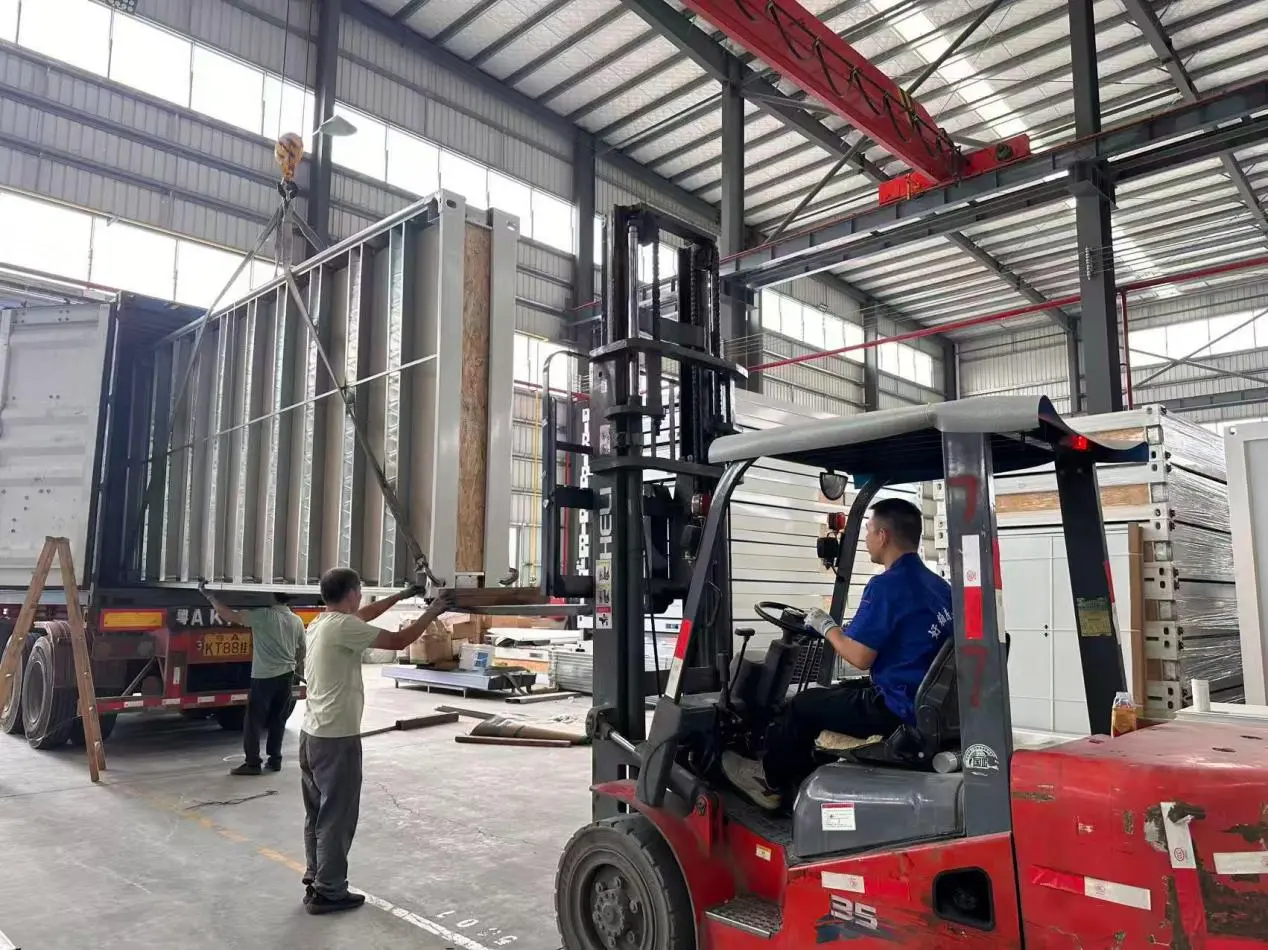
Adapting to tomorrow's green building codes and high-performance carbon-neutral standards.
Research is underway to transition polyol raw materials to bio-based and recycled sources. This reduces the embodied carbon of PIR panels without compromising thermal performance, helping developers meet future EU carbon tax regulations.
We are developing methods to separate metal cladding skins from insulation cores at the end of the building lifecycle. This supports circular economy goals and allows recycling of steel and insulation materials.
By pre-integrating electrical conduits and utility channels directly into our panels, we reduce on-site construction steps. This shortens project timelines for logistics and commercial developments in Romania.
Engineered products, matching connectors, and functional modular assemblies utilizing high-grade insulated core panels.
Technical and regulatory answers regarding sandwich panel design and installation in Romania.
 House Modular Building