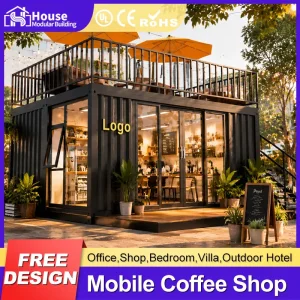
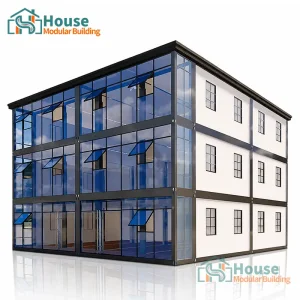
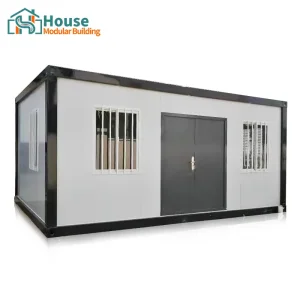
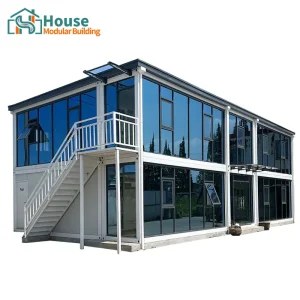
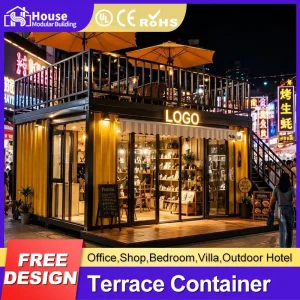
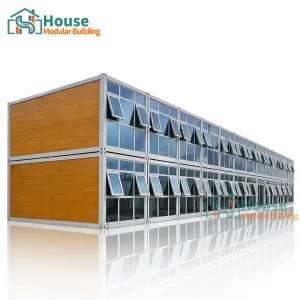
Explore our industrial-grade, precision-engineered modular units designed to unlock institutional capital and streamlined project underwriting.
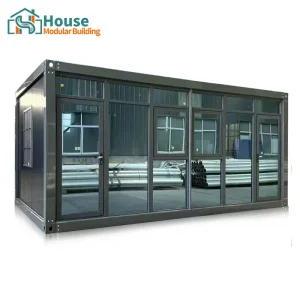
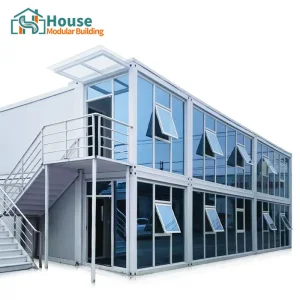
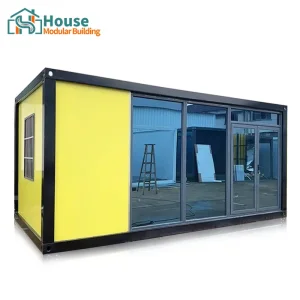
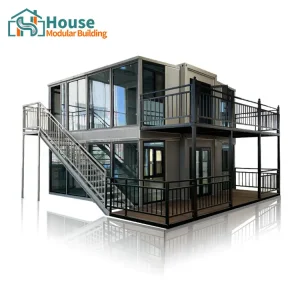
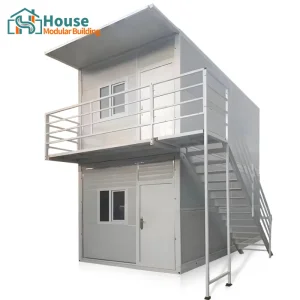
The paradigm of modern real estate development has evolved from high-friction, on-site fabrication to highly predictive, industrialized off-site manufacturing. As modular and containerized architecture experiences unprecedented global demand, developers and institutional buyers face unique financing landscapes. Unlike traditional real estate projects funded through linear construction draw downs, procuring OEM container houses requires tailored trade financing mechanisms, asset-backed business loans, and structured credit lines.
Traditional underwriting engines have historically struggled with the concept of "mobile architecture." However, with factories manufacturing structural frames that meet localized building regulations (e.g., IBC in North America, Eurocodes in the EU), containerized structures are increasingly classed as permanent, financeable assets. This transformation has generated a spectrum of capital options: from commercial equipment leases and pre-shipment export financing to capital expenditure (CAPEX) facility arrangements mapped directly to manufacturing milestones.
House Modular Building has rich professional knowledge and experience in the production of container houses and prefabricated houses. The company has a design team to provide solution design for customers' needs, a sales team to follow up and serve customers' order requirements, and the factory guarantees product delivery with quality and production efficiency.
In order to better serve customers and demonstrate the company's production and delivery capabilities, we have established production bases in both the north and south of China to provide efficient delivery capabilities to customers with different national needs. We support OEM and ODM operations in our factory for different countries, and provide distributors with a mutually beneficial partnership.
For a long time, with the evaluation and recognition of customer satisfaction, our company team has comprehensive service capabilities and business technology coverage, starting from the production of raw materials, to the construction and construction of foundations, and then to the construction and operation of service systems.
House Modular is a production oriented enterprise. The company has a large production base, and the factory has a senior professional independent research and development team. The factory currently has more than 200 employees, among which technical personnel such as shell research and development account for more than 30% of the total number of employees; More than 60% of the employees have over 5 years of experience in the shell production industry, and the core members of the team have worked in the building materials service field for more than 10 years. As a supplier of container houses, we must have a strong team to serve customers and solve their demand problems.
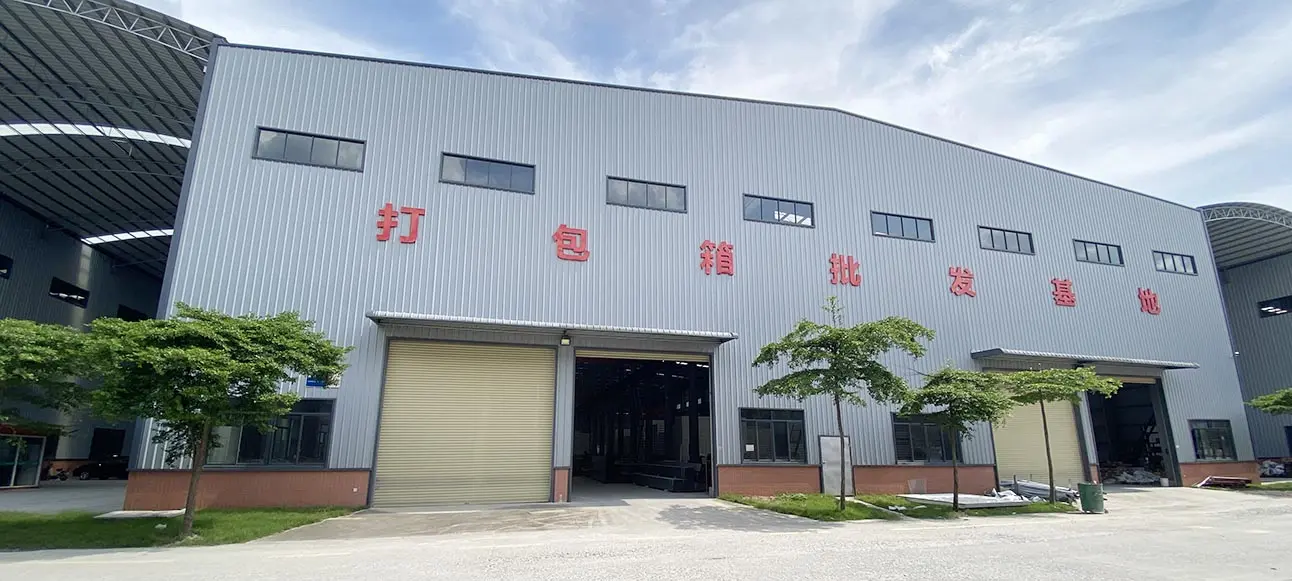
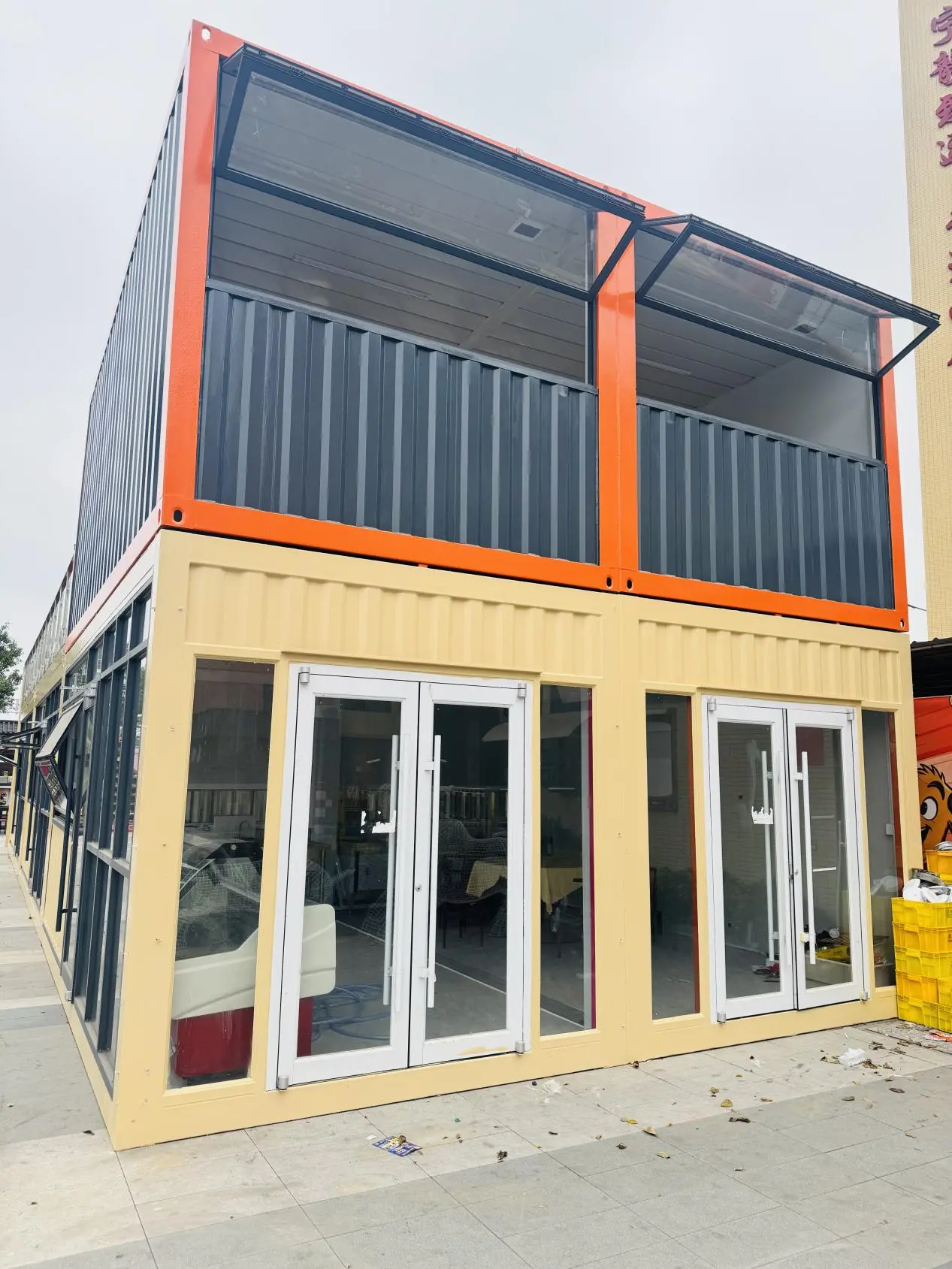
Operational metrics backing our manufacturing authority and financial readiness.
How international business buyers structure modular assets for rapid deployment and optimized balance sheets.
For large-scale public and private procurements, securing production with a verified Letter of Credit (L/C) remains the industry gold standard. It mitigates country-specific risks, confirms factory supply capability, and enables buyers to align stage payments directly with third-party QA inspections at our North/South China facilities.
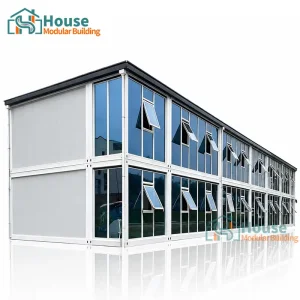
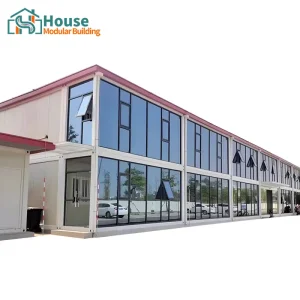
Many multi-national firms classify container offices and clinics as operational assets. This strategy allows the capital cost of glass curtain-wall office complexes or temporary clinics to sit on the balance sheet as OPEX rather than long-term CAPEX, freeing up critical liquidity.
For multi-unit housing initiatives, expandable container developments are underwritten by syndicated lenders who value the modular project's compression of construction timelines. A faster assembly cycle means interest expenses are slashed by up to 50% compared to traditional on-site masonry builds.
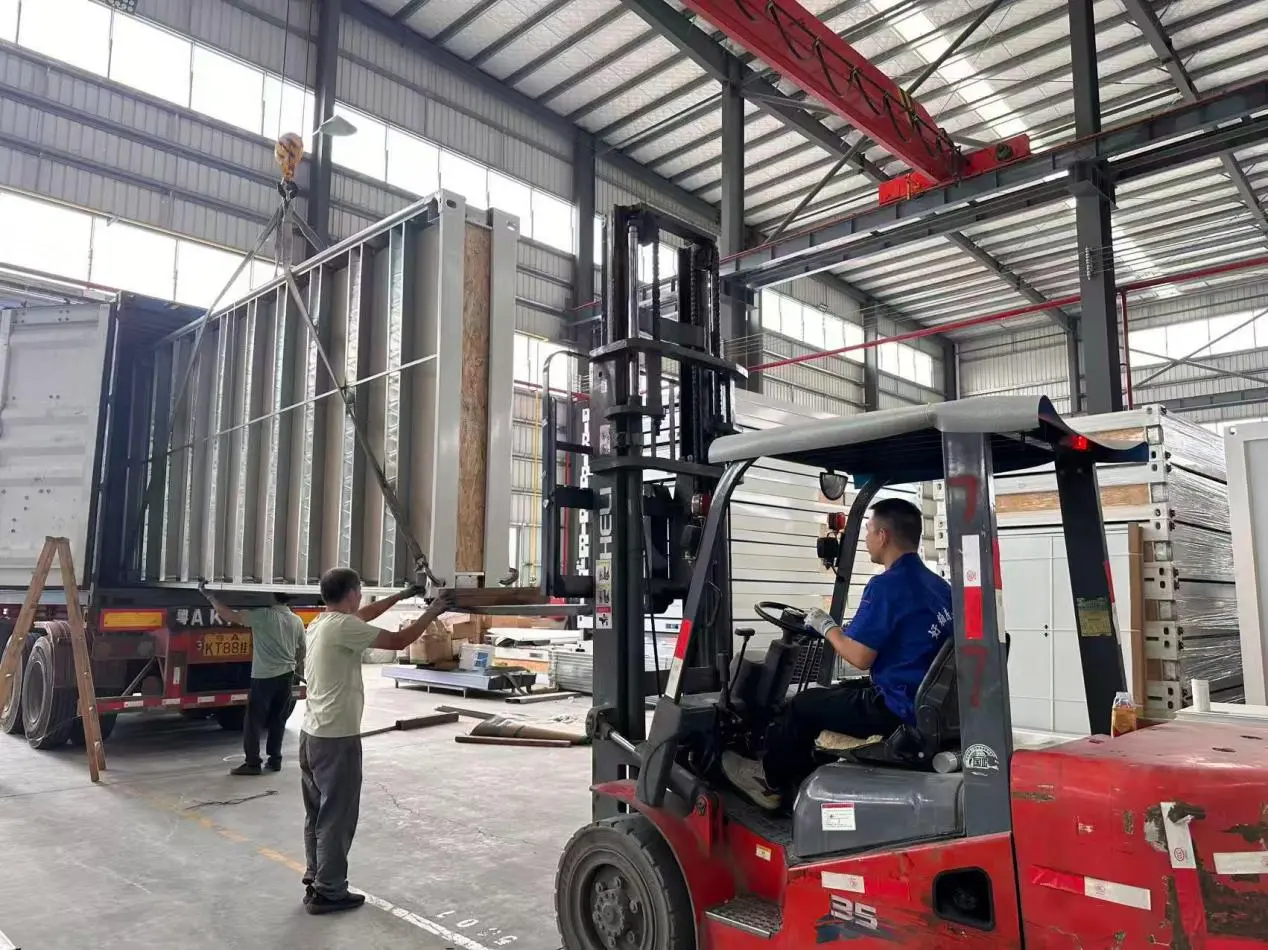
Procuring modular units isn't merely an purchase of steel frames and sandwich panels; it is the acquisition of an integrated utility system. At House Modular, our design engineering bridges the gap between raw manufacturing and municipal compliance. By integrating certified fireproof structural components, specialized insulation layers, and pre-engineered HVAC chases, we deliver units that are ready to connect to local grids upon arrival.
This system-level integration is a key variable for international underwriters. Lenders evaluate the complete service system—from raw material supply chains to the construction of local foundations. Our comprehensive operational model directly lowers institutional risk profiles, driving faster loan approvals and lowering overall capital costs.
A strategic overview of localized code adherence, material integrity, and sustainability certifications.
To qualify modular projects for localized bank financing, units must pass stringent regional inspections:
Our roadmap focuses on increasing the "Information Gain" and long-term valuation of modular real estate through modern technology integrations:
Expert insights into common procurement barriers, risk mitigation strategies, and modular asset management.
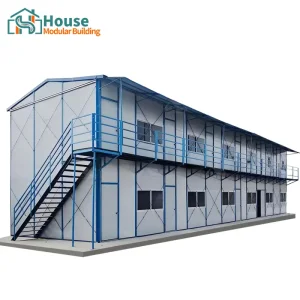
High-spec expandable units, structural panels, and office additions for scalable projects.
 House Modular Building