Advanced structural systems and sandwich panel assemblies engineered specifically to withstand the tropical conditions, coastal humidity, and seismic requirements of Thailand's key industrial zones.
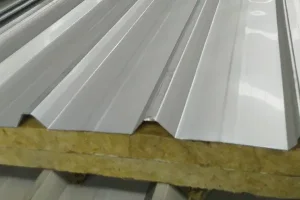
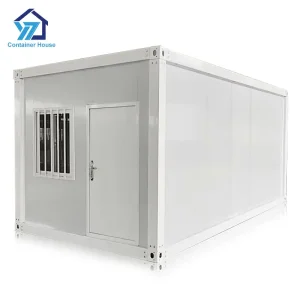
The Kingdom of Thailand is undergoing an unprecedented industrial expansion. Driven by the development of the Eastern Economic Corridor (EEC)—spanning Rayong, Chonburi, and Chachoengsao—the country is positioning itself as the primary automotive, electronics, agricultural, and logistics center of the Association of Southeast Asian Nations (ASEAN). As multi-billion dollar manufacturing infrastructure investments flood into these key zones, builders and project developers face a critical structural engineering challenge: establishing highly efficient, climate-regulated, and durable industrial spaces under tight timelines.
Traditional masonry and brick-and-mortar building methodologies are rapidly becoming obsolete in this high-tech industrial environment. Modern industries require thermal efficiency, precise cleanroom conditions, high structural stability, and expedited construction schedules. Our premium Sandwich Panels & Fittings represent the apex of modular industrial components, offering rapid-assembly solutions for logistics warehouses, cold storage facilities, electronics cleanrooms, and premium staff housing across Thailand.
“The integration of polyisocyanurate (PIR) and rockwool sandwich panels within modern Thai industrial developments decreases construction schedules by up to 55% while reducing HVAC energy consumption by over 40% compared to traditional structural materials.”
Our tailored manufacturing lines produce panels and specialized fittings targeted directly to the main commercial and industrial drivers of the Thai economy:
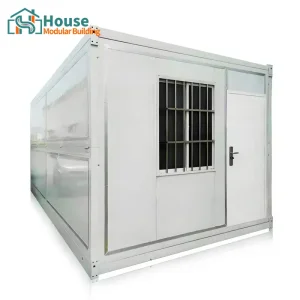
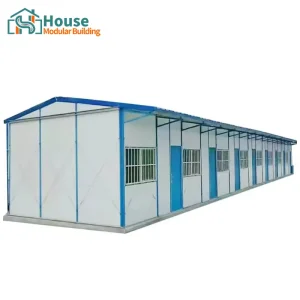
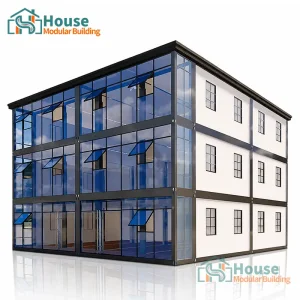
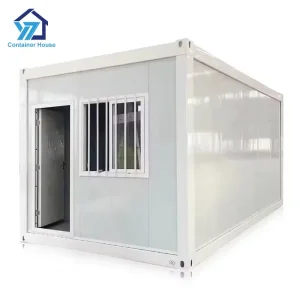
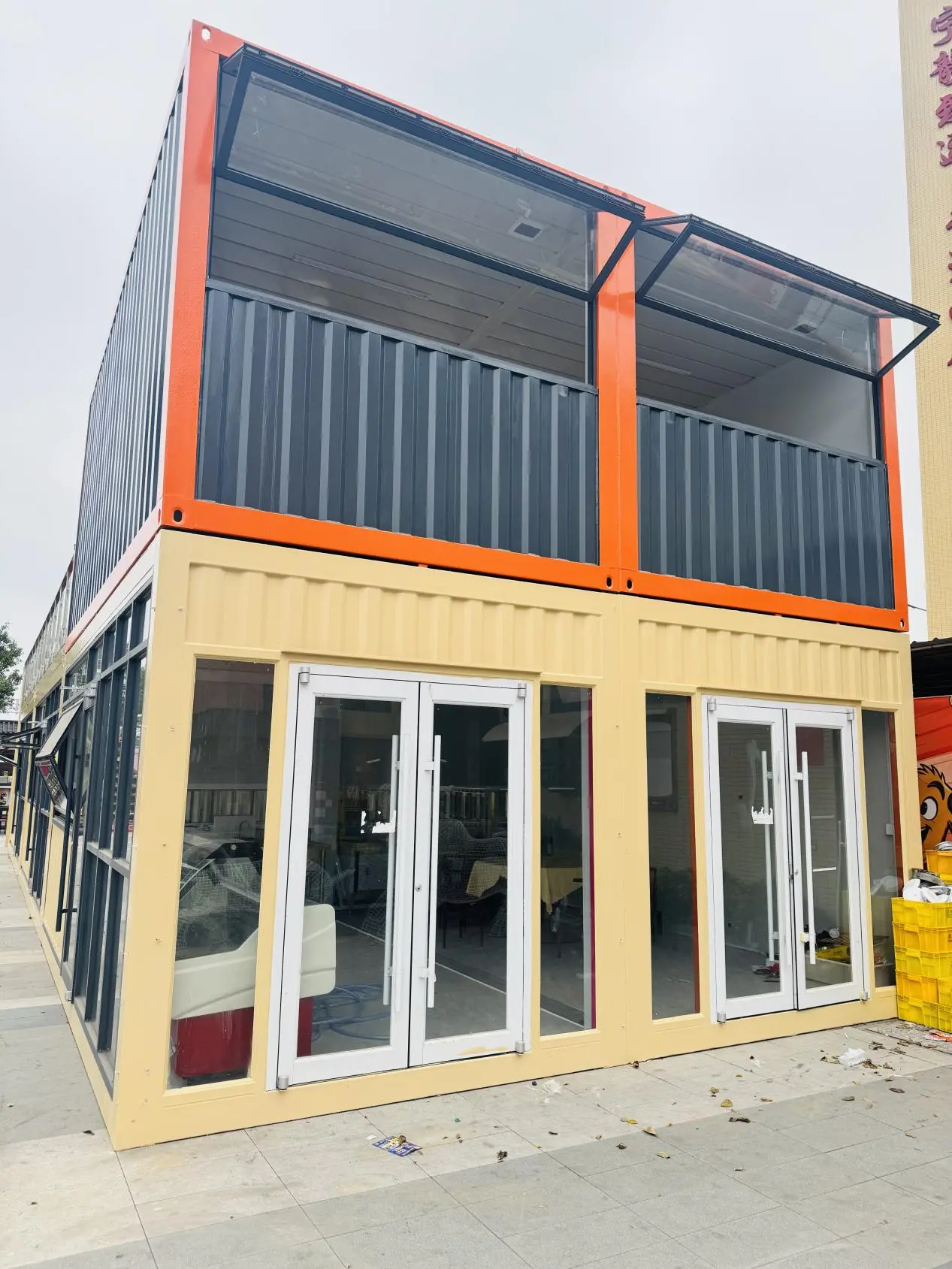
Highly adaptable, steel-framed modular structures utilizing insulated sandwich panels for fast assembly, high structural durability, and optimal wind load capacity in coastal areas.
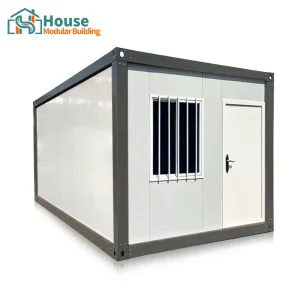
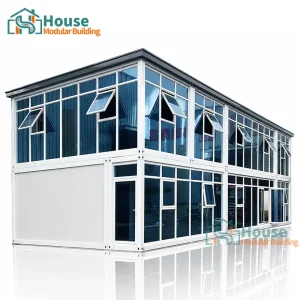
Thailand's climatic profile poses unique threats to industrial infrastructures. The combination of intense solar radiation, continuous high humidity, coastal salinity, and seasonal monsoons demands specialized engineering considerations for panel fabrication and joint design. Standard metal panels fail prematurely under these conditions, leading to delamination, corrosion of the steel skin, loss of thermal insulation, and hazardous biological growth like mold.
To defend against the corrosive atmosphere of coastal locations such as Map Ta Phut and Laem Chabang, our panels utilize high-performance double-sided hot-dip galvanized steel skins (minimum AZ150 aluminum-zinc coating mass). The exterior face is coated with Polyvinylidene Fluoride (PVDF) or High Durability Polyester (HDP) paint systems. These polymer finishes provide outstanding UV resistance, preventing color fading and maintaining surface integrity under intense tropical sun, while offering a tough defense against atmospheric salinity and industrial chemical exposure.
Selecting the appropriate core material is fundamental to structural efficiency and safety:
A sandwich panel is only as strong as its joints. In high-precipitation regions like Southern Thailand, heavy monsoonal rains can bypass standard tongue-and-groove joints through capillary action. Our panels feature a double-tongue-and-groove interlocking system with integrated capillary breaks and pre-applied moisture-resistant seals. Combined with specialized anodized aluminum structural fittings and heavy-duty flashing, our system guarantees air-tight, water-tight structural performance, preventing humidity infiltration and structural aging.
Empowering global infrastructure through specialized design, manufacturing excellence, and logistics integration.
House Modular Building has rich professional knowledge and experience in the production of container houses and prefabricated houses. The company has a design team to provide solution design for customers' needs, a sales team to follow up and serve customers' order requirements, and the factory guarantees product delivery with quality and production efficiency.
In order to better serve customers and demonstrate the company's production and delivery capabilities, we have established production bases in both the north and south of China to provide efficient delivery capabilities to customers with different national needs. We support OEM and ODM operations in our factory for different countries, and provide distributors with a mutually beneficial partnership.
For a long time, with the evaluation and recognition of customer satisfaction, our company team has comprehensive service capabilities and business technology coverage, starting from the production of raw materials, to the construction and construction of foundations, and then to the construction and operation of service systems.
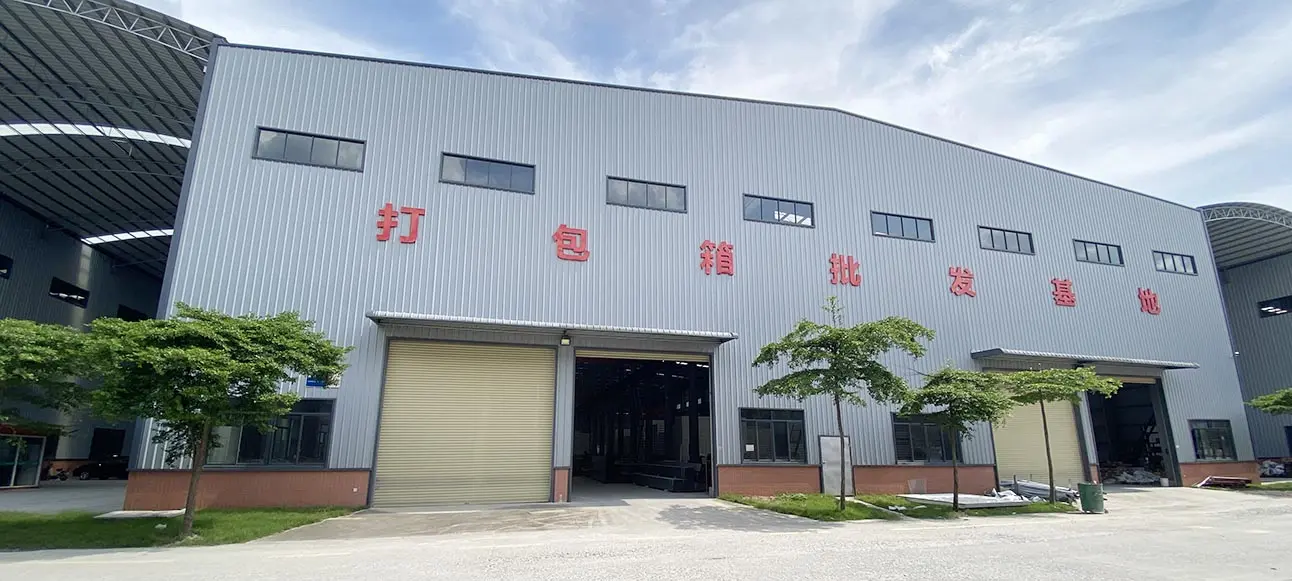
House Modular is a production-oriented enterprise. The company has a large production base, and the factory has a senior professional independent research and development team. The factory currently has more than 200 employees, among which technical personnel such as shell research and development account for more than 30% of the total number of employees; More than 60% of the employees have over 5 years of experience in the shell production industry, and the core members of the team have worked in the building materials service field for more than 10 years. As a supplier of container houses, we must have a strong team to serve customers and solve their demand problems.
Our dual-base manufacturing strategy allows us to hedge logistical risks and offer continuous, high-volume supply to the ASEAN region. By running continuous automated production systems, we guarantee high dimensional accuracy (±0.5mm tolerance) across all sandwich panels and structural metal profiles, enabling rapid on-site assembly when cargo reaches Laem Chabang port.
The China-Thailand economic partnership has created smooth logistics channels that allow for rapid product delivery. Our manufacturing hubs in Northern and Southern China leverage direct maritime routes to Laem Chabang and Bangkok Ports, ensuring fast shipping turnaround times. By maintaining robust raw material inventories of steel coils and chemical components, we insulate our clients from global supply chain disruptions and volatile steel prices.
Moreover, our integration of automated continuous production lines ensures high cost-efficiency. Our double-belt continuous lamination systems produce thousands of square meters of sandwich panels daily, reducing labor costs and minimizing production waste. We pass these savings directly to our distributors and contractors in Thailand, offering premium, laboratory-tested structural solutions at highly competitive wholesale rates.
As the construction industry shifts toward carbon neutrality and smart infrastructure, our R&D team is actively engineering the next generation of building materials. Our product development roadmap focuses on three main pillars:
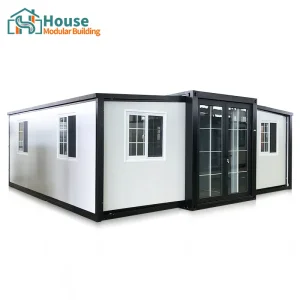
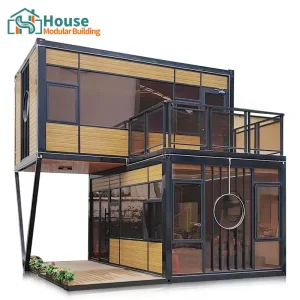
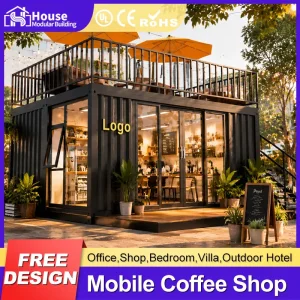
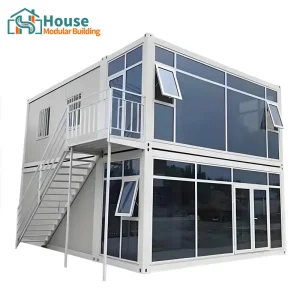
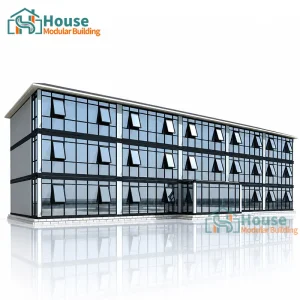
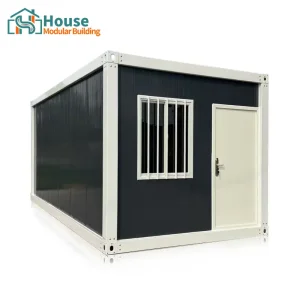
Select from our comprehensive catalog of container solutions, luxury suites, and clinical-grade cleanroom structures optimized for rapid deployment in the Thailand market.
Expert structural answers to frequently asked engineering and logistics questions from developers in Bangkok and the Eastern Economic Corridor.
PIR offers vastly superior thermal performance and fire safety. It has a significantly lower thermal conductivity coefficient compared to EPS. Under flame exposure, PIR undergoes structural carbonization, forming a protective surface char that inhibits fire progression, whereas EPS melts rapidly, presenting a higher risk in high-density industrial parks.
Our panels use galvanized steel substrates with a minimum coating mass of AZ150, topped with PVDF or High Durability Polyester (HDP) paint systems. This chemical barrier prevents chloride ion ingress and oxidation caused by marine salinity, keeping the steel skins safe from premature structural degradation.
Yes. Our manufacturing and material selection conform to international standards (including ASTM, EN, and FM specifications) and align with the guidelines set by the Thai Industrial Standards Institute (TISI) for structural safety, wind load resistance, and thermal insulation efficiency.
Due to our strategic location near major ports and our dual-base production strategy, maritime transport typically takes 7 to 10 days to reach Laem Chabang or Bangkok Port. Production times vary by order size but are generally completed within 15 to 20 days.
Our panels feature a double-tongue-and-groove interlocking system with integrated capillary breaks and pre-applied moisture-resistant seals. Combined with specialized anodized aluminum structural fittings and heavy-duty flashing, our system guarantees air-tight, water-tight structural performance, preventing humidity infiltration and structural aging.
Yes, we provide custom cleanroom fittings, including recessed floor channels, curved corner coves, T-bars, and ceiling suspensions. These aluminum extrusion components eliminate sharp inside corners, ensuring smooth transitions that prevent dust accumulation and meet ISO standards.
Our structural designs are engineered to withstand wind loads exceeding 1.8 kPa, which meets the safety requirements for coastal typhoons and wind pressures in the Gulf of Thailand. High-tensile steel skins coupled with continuous polyurethane/PIR cores provide structural rigidity that resists deflection.
We offer comprehensive OEM and ODM support. Our design team can develop drawings based on your architectural requirements. We customize skin thickness, core densities, colors, joint profiles, and accessory kits to align with your project specifications.
Yes, we provide detailed technical drawings, 3D installation videos, and live video consulting. For large projects, we can arrange for experienced engineers to visit the site to guide local construction teams, ensuring joints are sealed correctly and structural integrity is maintained.
Our rockwool-filled panels achieve up to a 4-hour fire rating, depending on core thickness and joint configuration. They have been certified under various fire tests, including ASTM E84, EN 13501-1, and FM standards, and do not contribute to toxic smoke or hot droplets in the event of a fire.
 House Modular Building