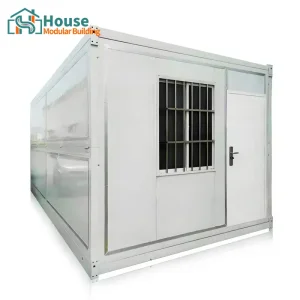
Engineered with high wind-load ratings, reinforced steel configurations, and rapid-deployment mechanisms for industrial, commercial, and residential use cases in Harris County.
As the fourth-largest metropolitan area in the United States, Houston, Texas, stands at the epicentre of rapid demographic expansion, massive industrial growth, and acute climatic challenges. In recent years, traditional construction methods have increasingly struggled to match the speed, scalability, and economic parameters dictated by modern commercial developments, oil and gas sector expansions, and workforce housing demands. This friction has catalyzed a dramatic shift toward off-site modular construction and high-performance folding container houses.
The Gulf Coast region presents unique geographical and structural pressures. Real estate developers, construction enterprises, and municipal planners are confronted with dual challenges: executing builds with accelerated timelines while ensuring structures can withstand the region's intense environmental hazards. Folding container houses manufactured to stringent international quality metrics offer an ideal solution—slashing structural assembly times by up to 90%, optimizing logistics profiles, and offering built-in structural resilience against severe weather patterns.
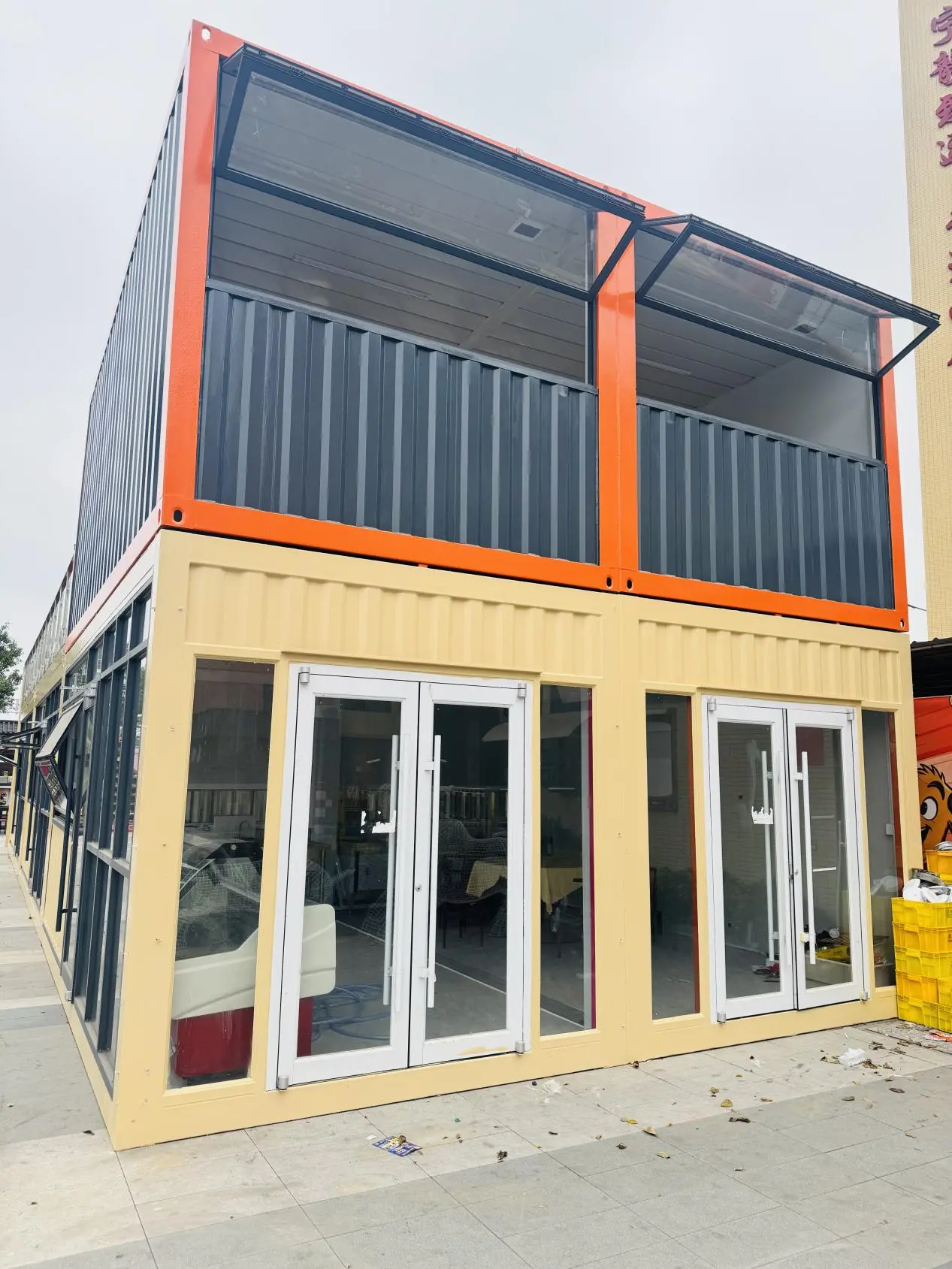
Operating in the Houston market requires precise alignment with municipal building codes and state-level directives. All folding container houses destined for Texas must adhere to the international building code frameworks, specifically tailored for hurricane zone conditions. Below are the key engineering metrics implemented by House Modular to guarantee compliance and structural longevity in Houston:
Houston falls within the ASCE 7 design standard zone, requiring structures to withstand wind loads ranging from 115 to 140 mph, depending on the exact proximity to the coast (e.g., Galveston vs. inner Harris County). Our manufacturing pipeline employs cold-formed galvanized Q355 structural steel frameworks. These elements undergo finite element analysis (FEA) to confirm resistance against high wind uplifts and lateral pressures. By integrating custom interlocking structural steel hinges, our folding houses eliminate shear planes that typically threaten prefabricated temporary structures.
The sub-tropical, humid climate of Houston (ASHRAE Climate Zone 2A) demands high-performance thermal barriers to maintain energy efficiency and prevent mold. Our structures feature standard polyurethane (PU) or mineral wool sandwich panel walls with a thickness of 75mm to 100mm, delivering R-values that meet or exceed local energy codes. Additionally, our windows are equipped with dual-pane Low-E glass containing argon-gas fills to minimize solar heat gain coefficient (SHGC) during hot Texas summers.
Houston's clay-rich soils are prone to expansion and contraction, which can cause foundation shifting. Our folding containers are optimized for diverse foundation layouts, including helical piers, concrete strip foundations, or elevated pile foundations. Elevation is particularly crucial in FEMA flood zones in Greater Houston, and our modular units are built with robust corner castings that permit simple structural anchoring to elevated platforms.
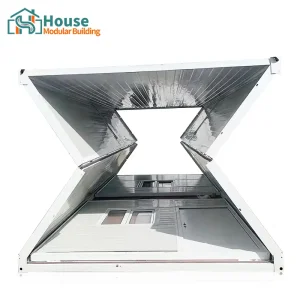
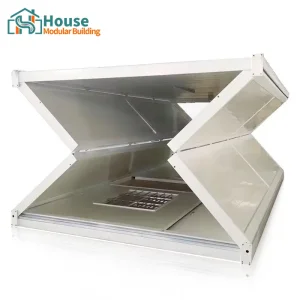
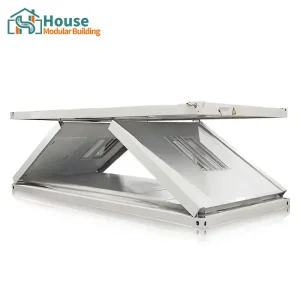
A comparative engineering overview of the primary mechanical configurations utilized in modern collapsible container housing.
| Performance Specification | X-Configuration Foldable Unit | Z-Configuration Collapsible Unit |
|---|---|---|
| Deployment Speed | 4 - 8 Minutes (Requires Crane/Telehandler) | 10 - 15 Minutes (Manual or Light Assist) |
| Packaging Thickness | Folded height: 350mm - 400mm | Folded height: 450mm - 550mm |
| Structural Integrity (Seismic) | Grade 8 Seismic Rating | Grade 7 Seismic Rating |
| Wind Uplift Rating | Up to 135 mph | Up to 120 mph |
| Best Applications | Rapid post-disaster housing, construction offices | Multi-room living accommodations, residential cabins |
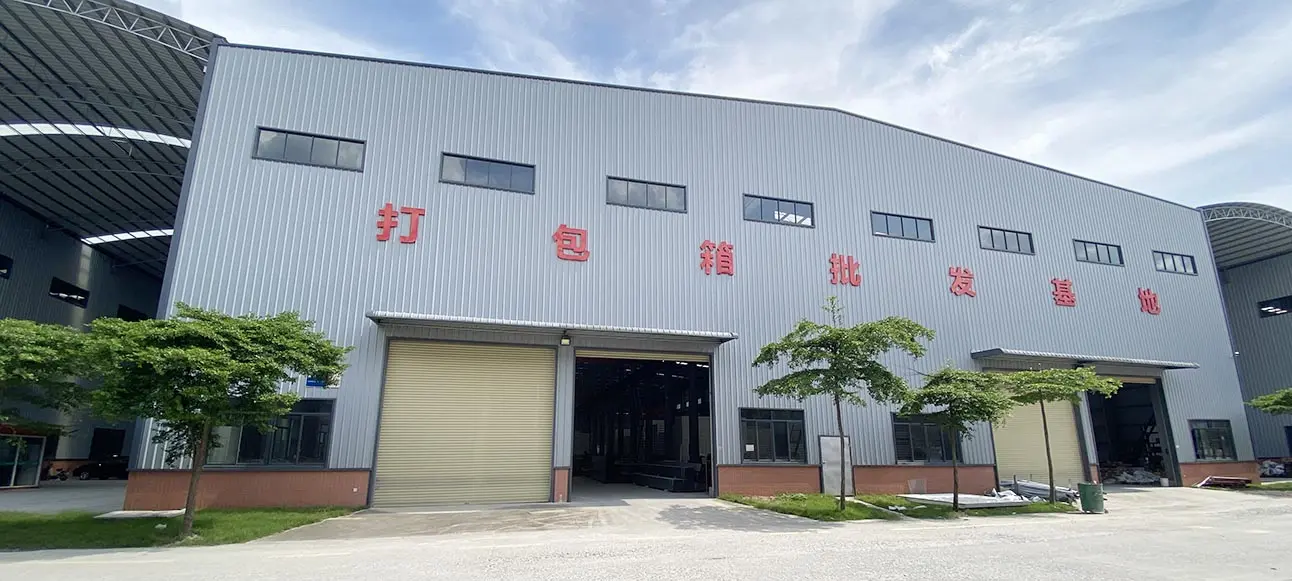
A key advantage of partnering with House Modular Building is our strategic manufacturing footprint. To secure supply chain resilience for our international buyers, particularly in key hubs like the Port of Houston, we have established two large-scale production facilities in Northern and Southern China.
This geographical distribution provides unique strategic benefits:
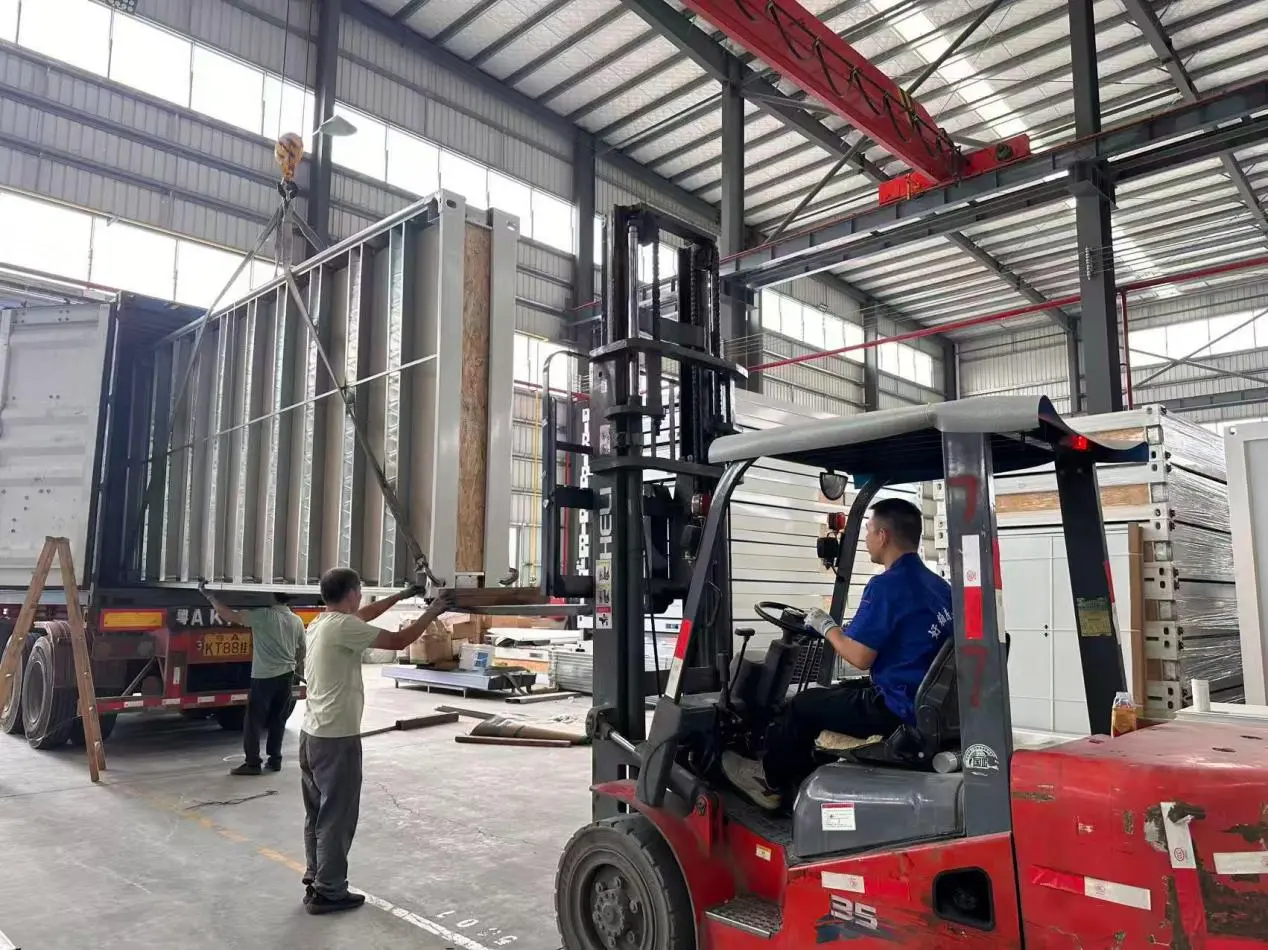
From heavy industry to suburban residential developments, folding container houses provide localized solutions for Texas businesses.
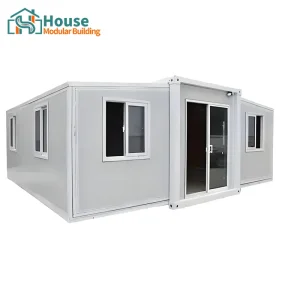
With Houston as the energy capital of the world, demand for temporary worker accommodation in remote drill sites, chemical plants, and refinement zones is high. Our folding houses can be shipped flat-packed (up to 12 units on a single flatbed truck) and unfolded rapidly on-site to provide immediate, comfortable, air-conditioned lodging.
Following major storm events, the primary requirement is immediate, structurally sound shelter. Standard canvas tents lack the safety, security, and climate control needed for long-term recovery. Folding container houses can be stored in municipal depots and deployed within hours of a storm passing, providing insulated medical centers and housing units.
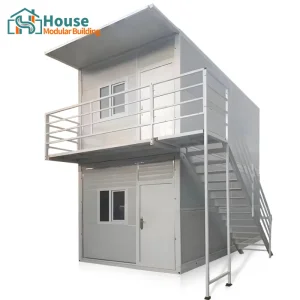
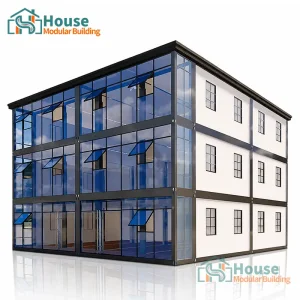
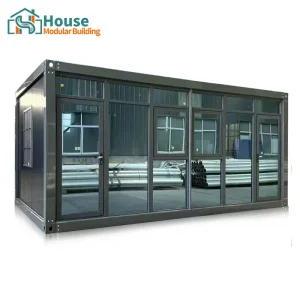
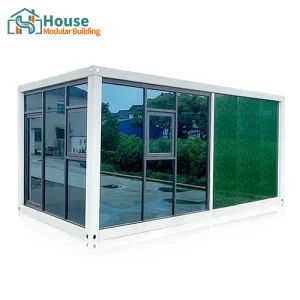
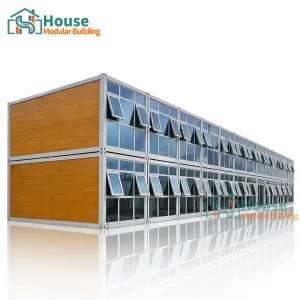
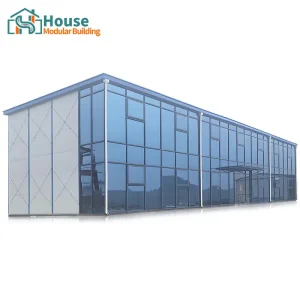
Houston's growing commercial parks require flexible workspace options. Utilizing two-story modular container complexes with glass curtain walls, developers can establish high-end administrative hubs, leasing offices, or project sales centers without committing to long-term traditional construction.
The durability of a folding container house relies directly on the chemical and physical characteristics of its raw materials. Our factory-level quality assurance protocols guarantee that all structural steel, insulating cores, and fastener components are optimized for maximum lifespan:
Texas coastal humidity is highly corrosive. To combat salt-spray degradation, our frame components undergo hot-dip galvanization with a zinc coating thickness exceeding 275 g/m². This is followed by a secondary marine-grade epoxy powder coating, providing double-barrier protection against oxidation and chemical wear.
A key failure point of lower-grade folding houses is the hinge mechanism. House Modular utilizes precision-machined heavy-duty steel hinges with integrated water-resistant EPDM rubber gaskets. This ensures that when the walls unfold, the joints seal together, preventing moisture infiltration and maintaining airtightness.
Safety is paramount. The wall panels integrated into our container complexes are rated to Class A fire resistance, utilizing high-density rockwool core or fire-retardant polyurethane foam. These materials prevent flame spread, providing critical peace of mind for high-occupancy worker dormitories and temporary clinics.
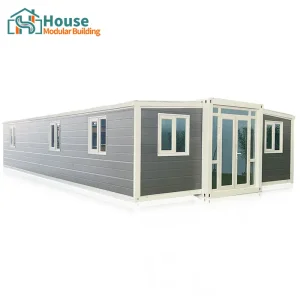
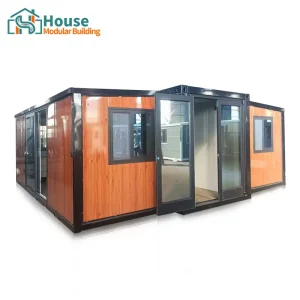
Select from our specialized line of Z-type folding, expandable, multi-story, and custom-outfitted modular structures designed for heavy industrial use, commercial extensions, and remote residential setups.
Clear, engineering-driven answers to support structural designers, procurement directors, and developers.
 House Modular Building