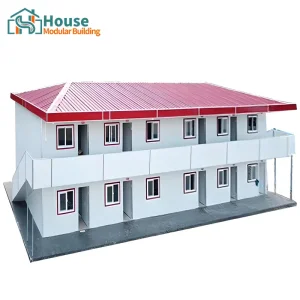
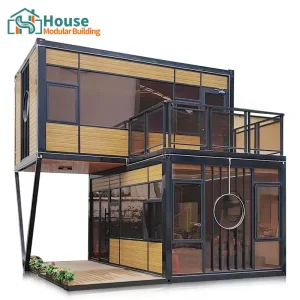
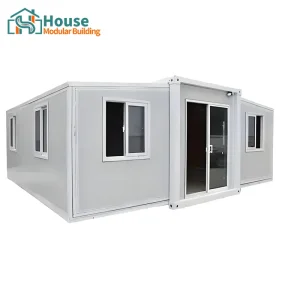
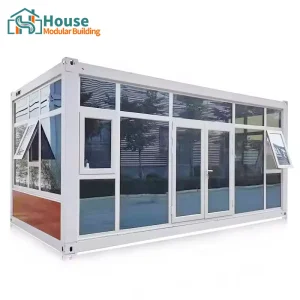
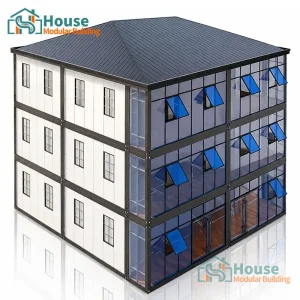
Explore our premium architectural designs configured for advanced environmental systems integration.
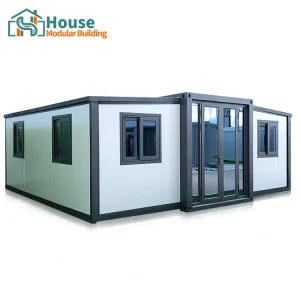
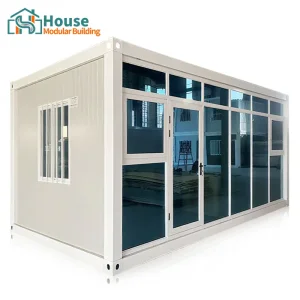
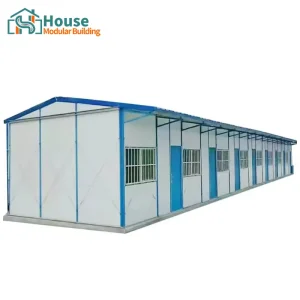
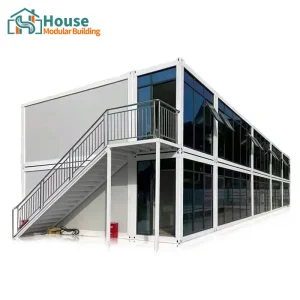
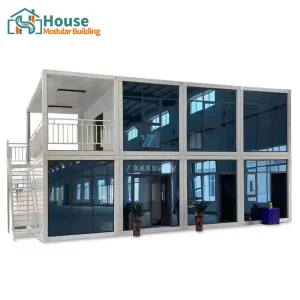
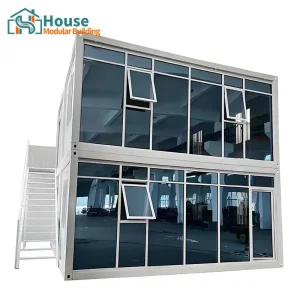
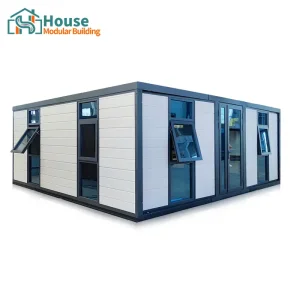
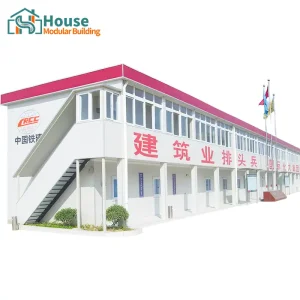
The global demand for container homes and modular buildings has experienced explosive growth over the last decade. As urban density increases, housing affordability decreases, and the need for rapid deployment solutions escalates, corrugated steel structures have emerged as a premier building typology. However, converting raw cargo units or lightweight steel modules into thermally comfortable, energy-efficient habitable spaces presents significant engineering challenges.
Unlike traditional wood frame or masonry construction, steel is an excellent thermal conductor. Uninsulated, a metal container acts as a thermal bridge, rapidly heating up under solar radiation and freezing in low ambient temperatures. Designing effective Heating, Ventilation, and Air Conditioning (HVAC) systems specifically for shipping containers requires specialized manufacturer expertise that moves beyond standard residential HVAC solutions.
Today, top-tier manufacturers integrate insulation and climate control straight into the factory manufacturing phase. This holistic integration guarantees compliance with global energy codes (such as IECC in the US and Part L in the UK) while optimizing internal spatial limits where every millimeter of ceiling height and wall thickness counts.
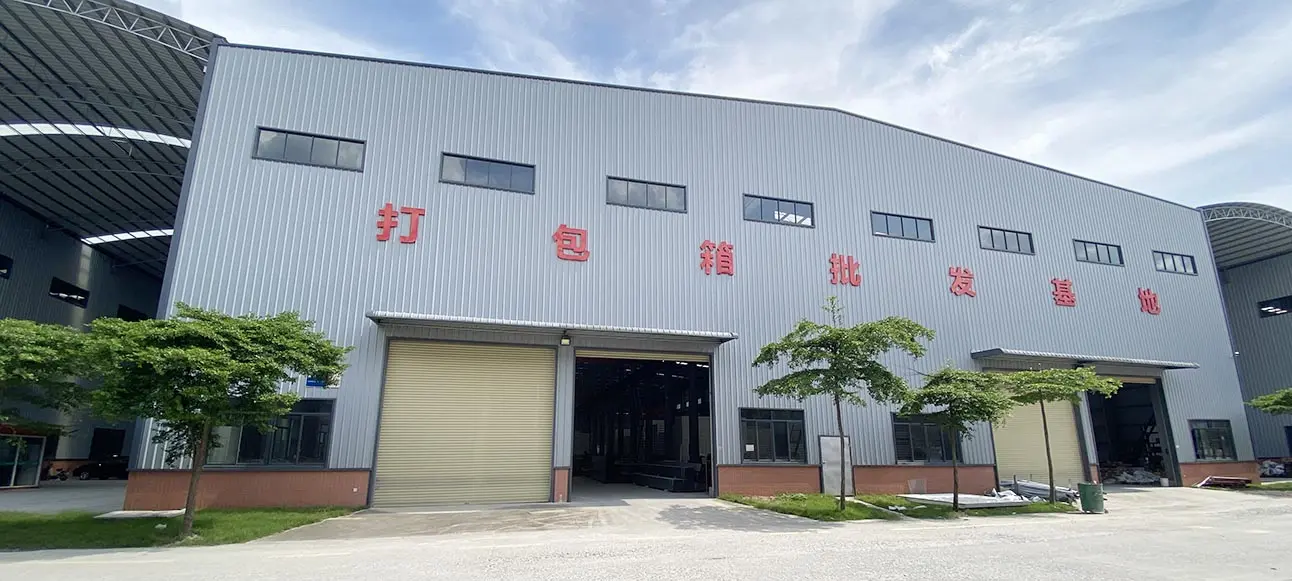
Modern developers utilize precise thermodynamic designs to maintain stable interior climates with minimal energy footprints.
Traditional fiberglass insulation requires thick walls that reduce valuable living space. Industry leaders now deploy closed-cell polyurethane spray foam (ccSPF) and high-performance Vacuum Insulated Panels (VIPs). This achieving higher R-values per inch to block thermal transfer before it reaches the interior air envelope.
Mini-split systems are the gold standard for container units. Variable-refrigerant flow (VRF) technology allows the compressor to adjust its speed precisely to meet changing demands. Eliminating energy-draining ductwork ensures silent, zones-controlled heating and cooling with high SEER (Seasonal Energy Efficiency Ratio) ratings.
Because container homes are sealed tightly to prevent air leakage, mechanical ventilation is vital for maintaining indoor air quality (IAQ). ERV systems capture heat and moisture from outbound exhaust air, pre-conditioning the incoming fresh air to drastically lower heating and cooling loads.
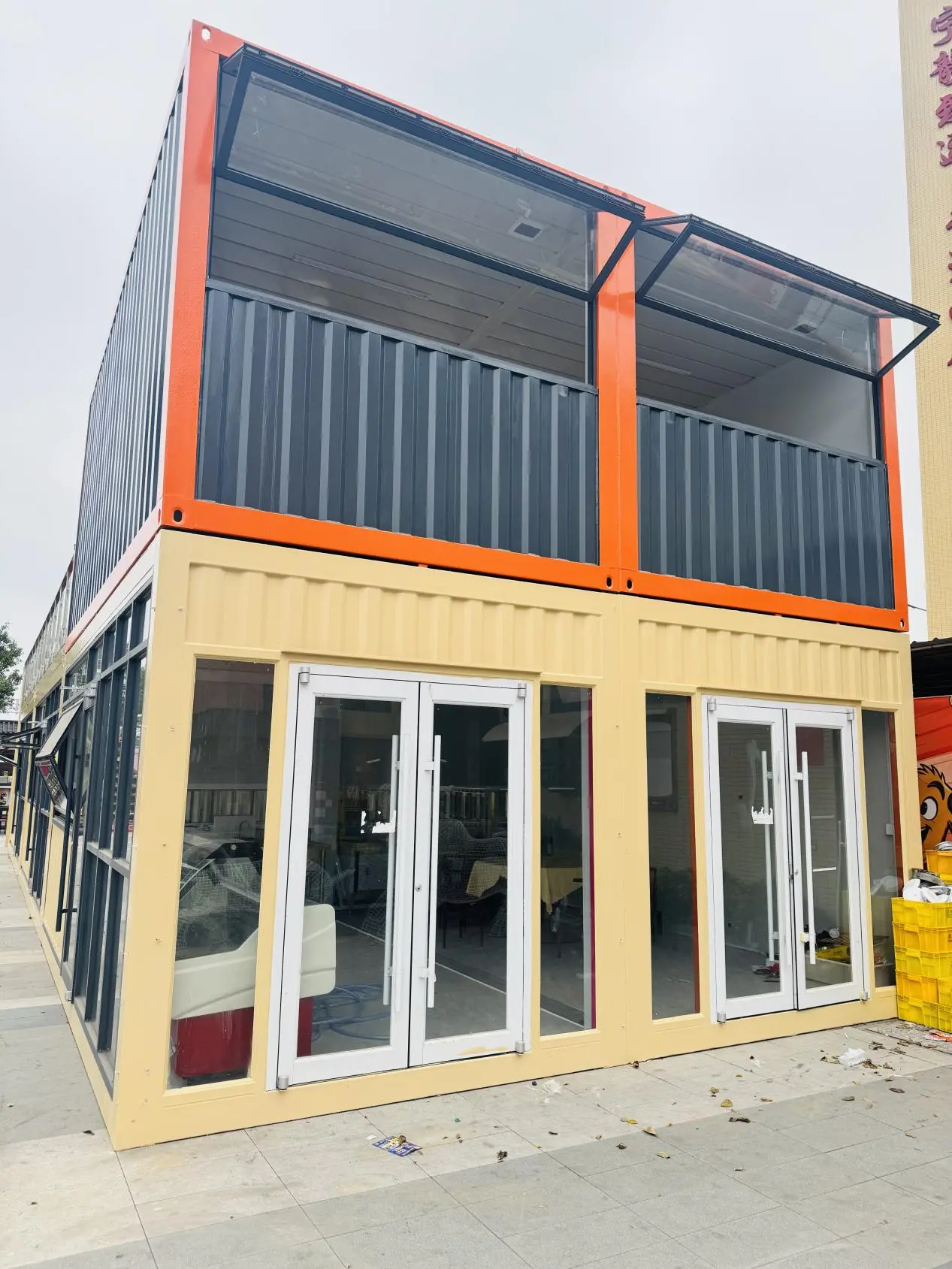
Providing thermal stability inside modular steel structures requires localized adaptations. A configuration optimized for the arid deserts of Western Australia will fail in the freezing winters of Northern Sweden. Expert container manufacturers analyze local climate zones, solar azimuths, and humidity profiles before planning the HVAC engineering pipeline.
In regions such as Canada, Scandinavia, and the Northern United States, the primary goal is preventing heat loss and avoiding internal condensation. Freezing outdoor temperatures coupled with indoor human activities (breathing, cooking, showering) create a high risk of moisture condensation on internal steel framing, leading to mold and structural degradation.
Solution: A continuous thermal break is applied using thick layers of closed-cell polyurethane spray foam directly to the corrugated steel ribs. HVAC systems incorporate cold-climate heat pumps equipped with pan heaters and flash injection technology. These units operate efficiently at ambient temperatures down to -25°C (-13°F). HRV (Heat Recovery Ventilator) units are continuously operated to maintain fresh indoor airflow while recapturing up to 85% of latent heat.
In hot, dry regions, solar radiation can elevate steel surfaces to temperatures exceeding 70°C (158°F). The main objectives are reducing the cooling load and maintaining stable relative humidity levels without over-stressing local power grids.
Solution: The exterior is coated with high-albedo elastomeric paint, reflecting up to 90% of solar radiation. Roof cavities are designed with ventilated fly-roofs that create a shaded buffer zone above the main container ceiling. HVAC systems are oversized to account for extreme peak temperatures but utilize variable-frequency inverter compressors to run at lower, energy-saving cycles during off-peak hours.
Tropical zones present the dual challenge of high temperature and high atmospheric moisture. Excess humidity reduces comfort levels and places a significant load on cooling systems.
Solution: HVAC systems feature specialized dehumidification settings, or operate in tandem with dedicated whole-house dehumidification units. Vapor-impermeable insulation strategies are implemented to prevent external moisture from penetrating the building envelope. Condensate drain lines are routed away from the container structure to prevent standing water near the foundation.
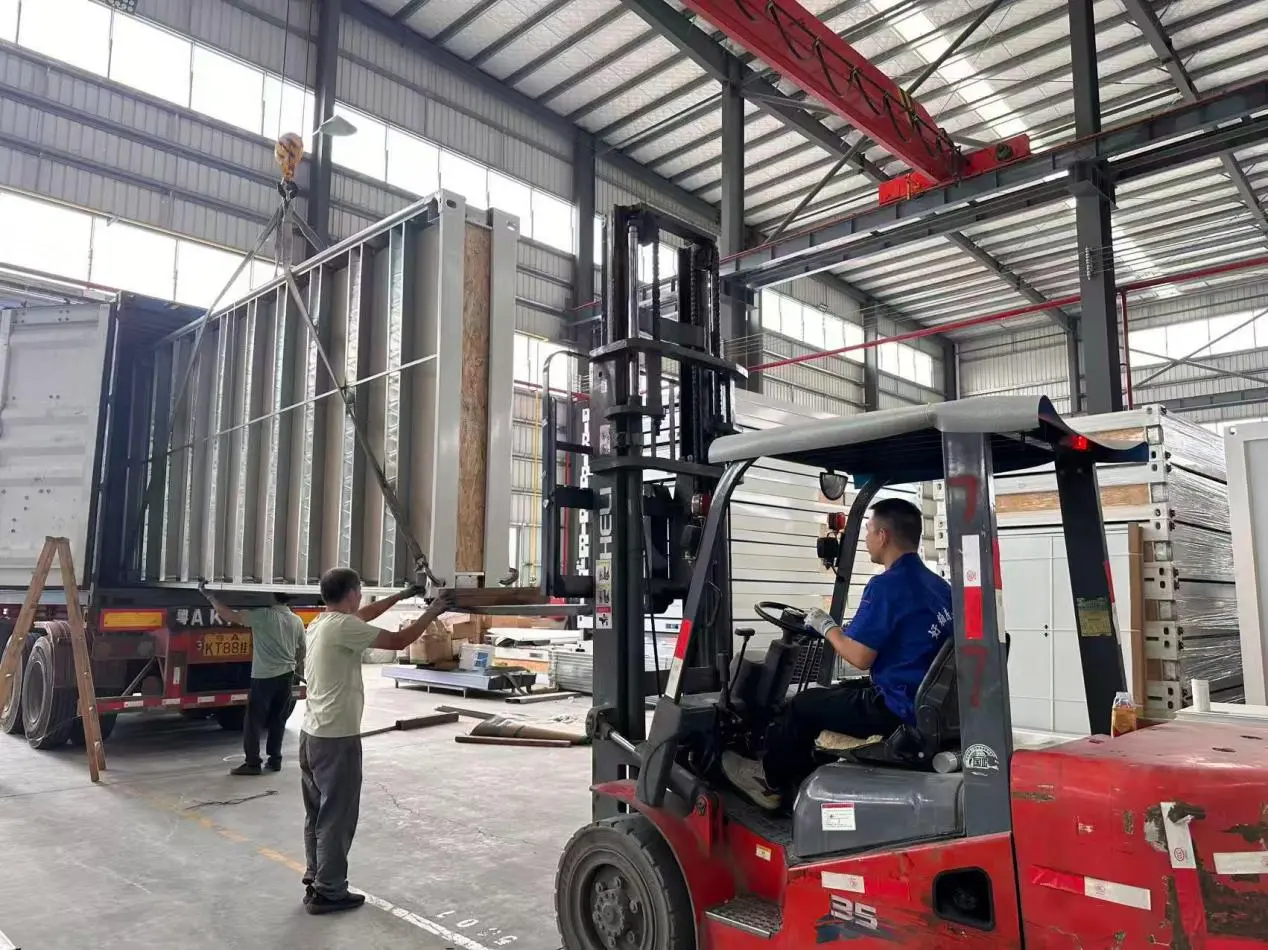
The convergence of sustainable energy generation and smart-home automation is defining the future of modular construction. Since many container homes are placed in remote, off-grid locations, heating and cooling systems must evolve to operate independently of utility grids.
PCMs represent a significant leap forward in passive temperature regulation. Integrated into wall panels, these materials absorb heat as they melt from solid to liquid during peak daytime temperatures. As the temperature drops at night, they solidify and release the stored heat. This cycle dramatically flattens interior temperature spikes, reducing active HVAC energy consumption by up to 30%.
Traditional AC units require an inverter to convert DC power from solar batteries into AC power. Solar-hybrid units run directly on DC power generated by solar panels during the day, eliminating the energy loss associated with inversion. Any excess energy is stored in lithium batteries for nighttime cooling, creating an efficient closed-loop thermodynamic system.
Using arrays of temperature, humidity, and occupancy sensors, modern container HVAC systems learn the habits of their occupants. The system dynamically diverts airflow to active living zones while reducing operations in unused bedrooms. This micro-zoning capability is essential for compact structures, where localized internal heat loads (like running appliances or computers) quickly affect room temperatures.
Get professional, authoritative answers to common inquiries regarding container home climate engineering.
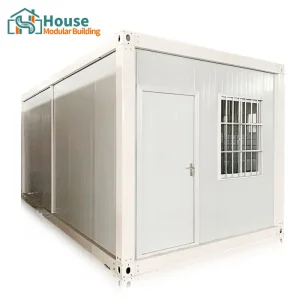
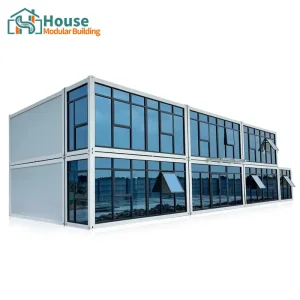
Premium specialized designs optimized for multi-purpose commercial layouts and premium residential spaces.

 House Modular Building