A selective configuration of structural prefab designs optimized for immediate assembly in commercial, agricultural, and residential installations across Accra, Kumasi, and the resource-rich Western Region.
Understanding the macroeconomic drivers and structural advantages of modular construction systems in West Africa.
Mitigating Urban Housing Deficits & Commercial Demands
Ghana’s rapid economic evolution has precipitated a significant structural housing deficit, estimated to exceed 1.8 million housing units. Traditional concrete brick-and-mortar masonry methods struggle to keep pace due to prolonged on-site production timelines, escalating local material costs, and currency fluctuations (GHS). Prefabricated and modular steel systems present a high-efficiency alternative, reducing structural completion times by up to 50% while guaranteeing predictable budgeting.
Optimizing Capital Efficiency Amid High Inflation
For institutional and private developers in Accra and Kumasi, speed of execution translates directly into minimized capital exposure. By adopting modular housing units manufactured off-site under stringent quality control protocols, real estate developers bypass delays caused by seasonal monsoon disruptions and local logistics bottlenecks, ensuring a faster path to commercialization.
Resiliency Under Sub-Saharan Climatic Conditions
West Africa's coastal zones (e.g., Tema, Takoradi) demand construction materials engineered to combat high humidity, marine salt spray, and extreme solar thermal loads. Our specialized steel framing modules undergo advanced hot-dip galvanization protocols and are clad with high-density polyurethane (PU) or rockwool insulated panels, providing premium energy efficiency and corrosion resistance.
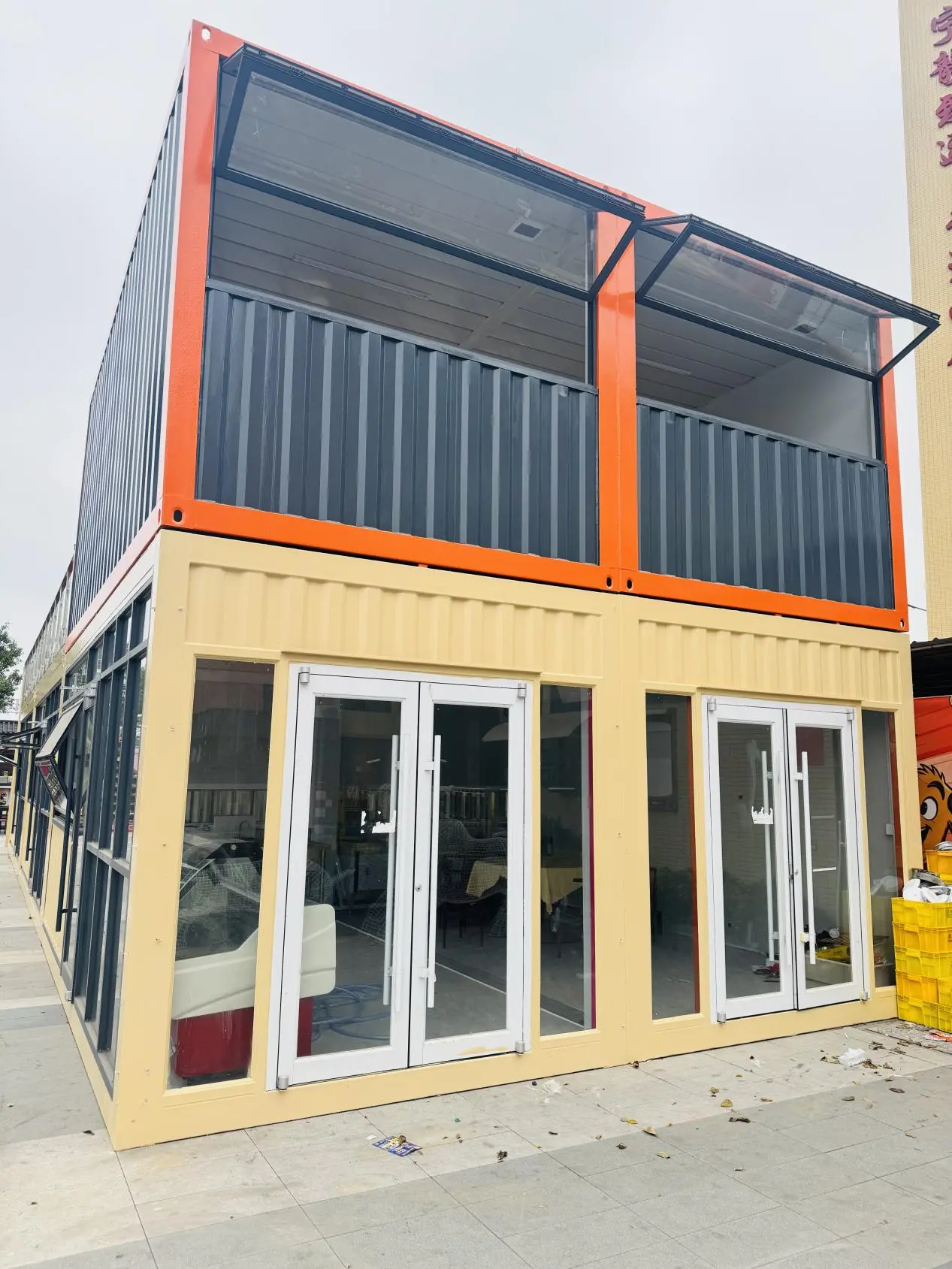
How House Modular Building bridges global supply chains to deliver precise, localized building components directly to Ghana's major commercial corridors.
House Modular Building has rich professional knowledge and experience in the production of container houses and prefabricated houses. The company has a design team to provide solution design for customers' needs, a sales team to follow up and serve customers' order requirements, and the factory guarantees product delivery with quality and production efficiency.
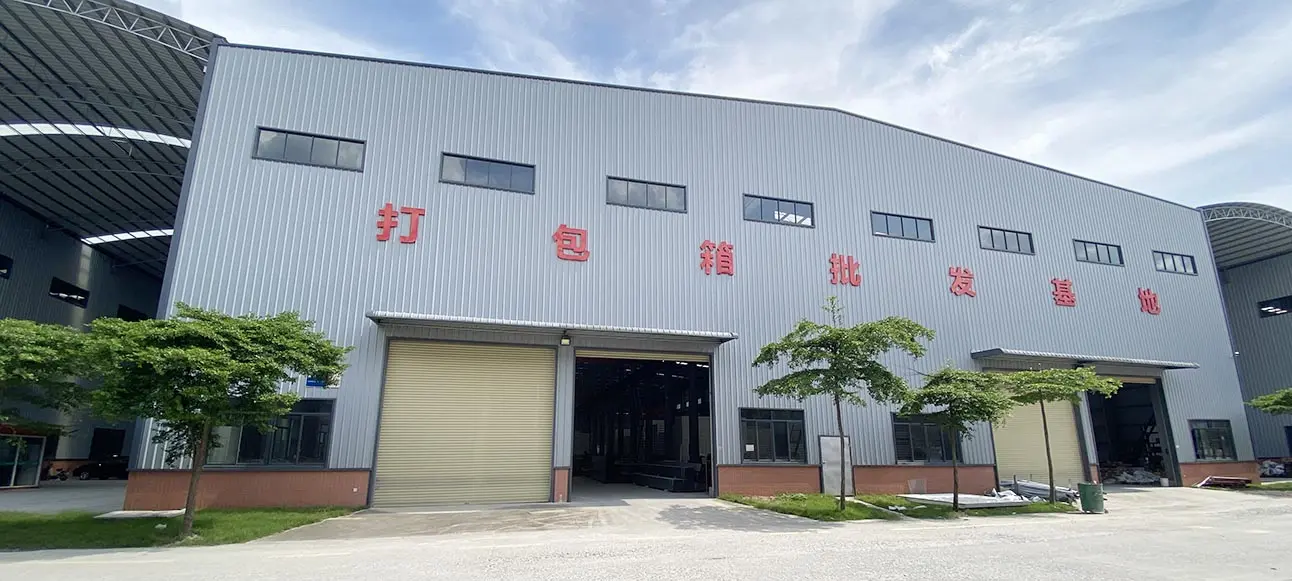
"ABOUT House Modular Building - Committing to world-class manufacturing structures that transcend geographic and environmental limitations."
In order to better serve customers and demonstrate the company's production and delivery capabilities, we have established production bases in both the north and south of China to provide efficient delivery capabilities to customers with different national needs. We support OEM and ODM operations in our factory for different countries, and provide distributors with a mutually beneficial partnership.
For a long time, with the evaluation and recognition of customer satisfaction, our company team has comprehensive service capabilities and business technology coverage, starting from the production of raw materials, to the construction and construction of foundations, and then to the construction and operation of service systems.
House Modular is a production oriented enterprise. The company has a large production base, and the factory has a senior professional independent research and development team. The factory currently has more than 200 employees, among which technical personnel such as shell research and development account for more than 30% of the total number of employees; More than 60% of the employees have over 5 years of experience in the shell production industry, and the core members of the team have worked in the building materials service field for more than 10 years. As a supplier of container houses, we must have a strong team to serve customers and solve their demand problems.
Tailored modular solutions serving critical industries, developmental projects, and local municipalities.
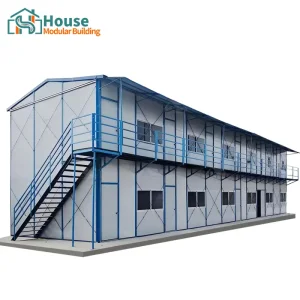
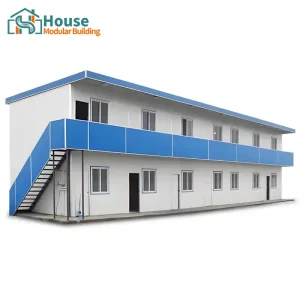
Engineered for the intense, remote conditions of gold mining operations in Obuasi, Tarkwa, and Prestea. These heavy-duty temporary offices and multi-layer K-type dormitories offer safe, air-conditioned environments for operational teams.
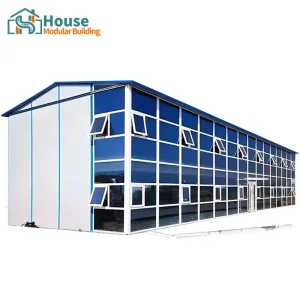
Leveraging high-end glass curtain wall modular formats, businesses in Accra (East Legon, Airport Residential Area) can establish premium, relocatable retail storefronts, pop-up commercial showrooms, and satellite branch offices within days.
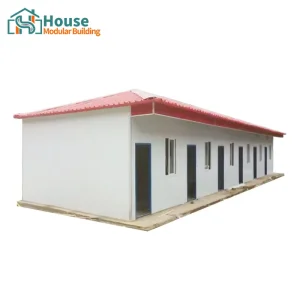
Providing regional governments and NGOs with rapidly deployable public health centers, modular schools, and community hubs to scale public infrastructure in outer rural districts and rapidly expanding suburbs.
How our prefab solutions align with West African engineering standards and sustainable operational models.
All prefabricated building systems delivered to Ghana adhere strictly to international codes and align with the provisions of the Ghana Building Code (GS 1207:2018). We utilize structural hot-dipped Q235B and Q345B steel framing to handle elevated load factors and seasonal microburst storms.
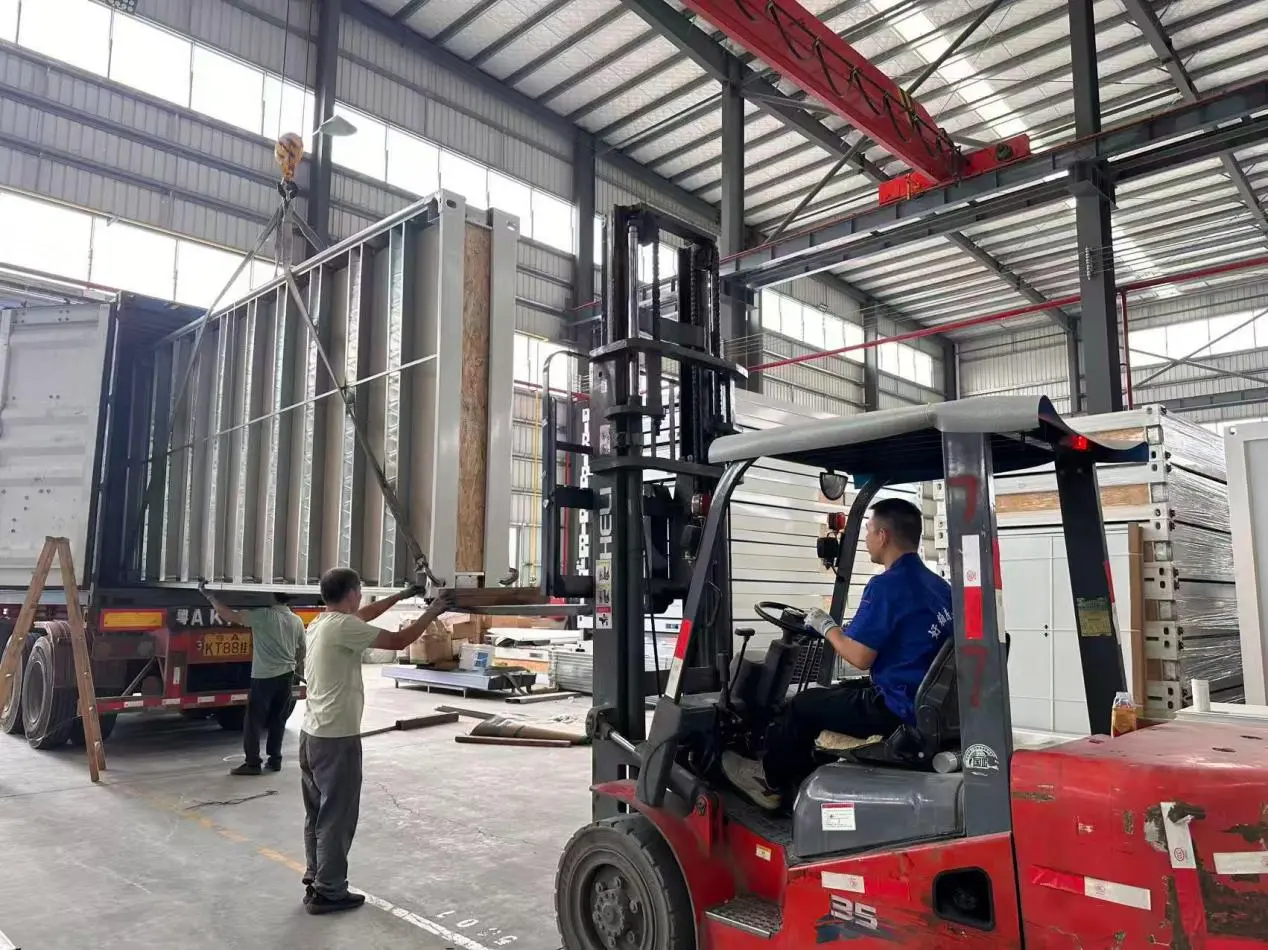
We pack and containerize structural materials into Flatpack or SOC formats (Shipper Owned Containers) to optimize maritime shipping routes from our primary Chinese ports directly to the Port of Tema or the Port of Takoradi. Full mechanical and layout diagrams are included for quick custom clearance and rapid deployment.
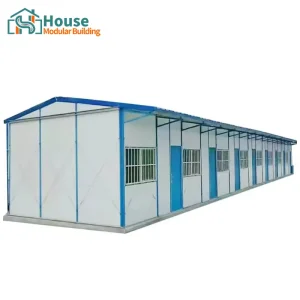
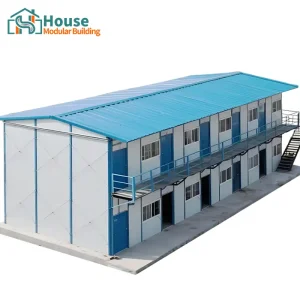
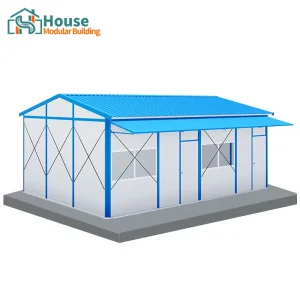
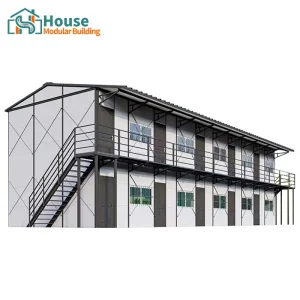
Additional structural models engineered for rapid municipal, residential, and corporate deployments in West Africa.
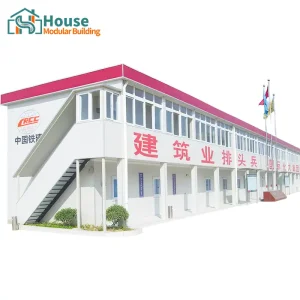
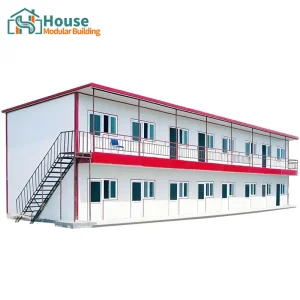
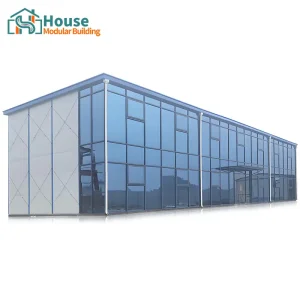
Integrating next-generation building technologies with the evolving needs of the Ghanaian infrastructure sector.
As energy stability challenges persist across several regional grids in West Africa, the future of prefabricated housing lies in self-sufficiency. Our engineering roadmap includes the integrated design of solar photovoltaic (PV) roof systems, rainwater harvesting routing, and localized water-filtration systems built directly into the chassis of the modular buildings. This will allow mining camps, agricultural outposts, and remote health clinics to function with zero reliance on local utility infrastructure.
To optimize construction efficiency, we are deploying advanced BIM workflows. This enables local contractors in Ghana to visualize the entire structural, mechanical, electrical, and plumbing (MEP) schematics in a virtual 3D environment before the physical components arrive at the Port of Tema. It minimizes localized deployment errors and guarantees a seamless site assembly workflow.
Get structural, logistic, and commercial clarifications regarding prefabricated houses in Ghana.
 House Modular Building