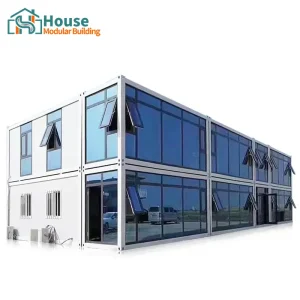
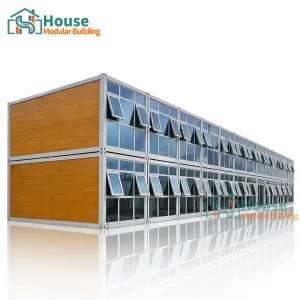
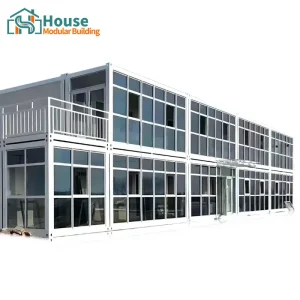
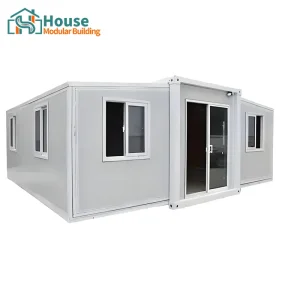
Discover our leading modular container models, factory-engineered to support international building regulations and dynamic commercial applications.
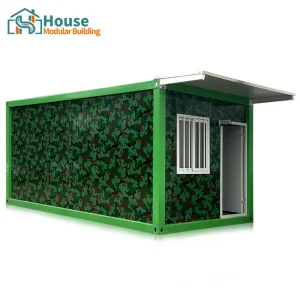
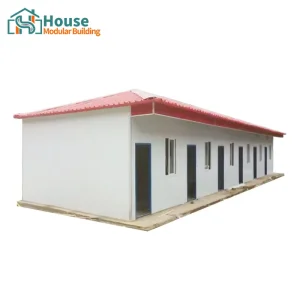
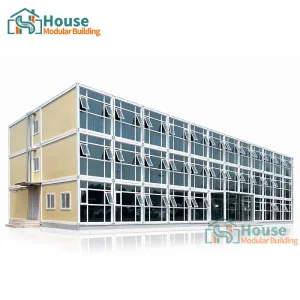
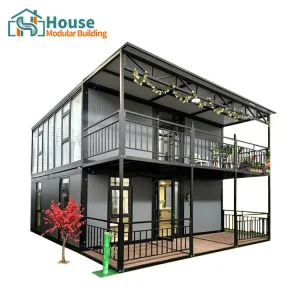
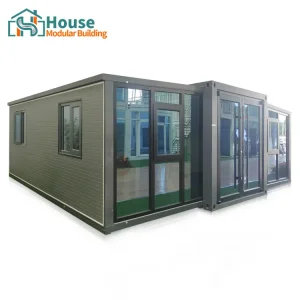
The global construction paradigm is shifting rapidly toward industrialized prefabrication. Driven by rising on-site labor costs, strict environmental regulations, and the critical need for shorter project timelines, wholesale storage container home builders and manufacturers have emerged as primary supply-chain partners for developers worldwide.
Today's container-based architectures are no longer confined to low-cost temporary cabins. Modern structural engineering allows for multi-story residential towers, advanced glass curtain-wall office complexes, and high-performance emergency shelters. According to recent industrial building reports, modular solutions can reduce project duration by up to 50% while lowering overall material waste by approximately 30%.
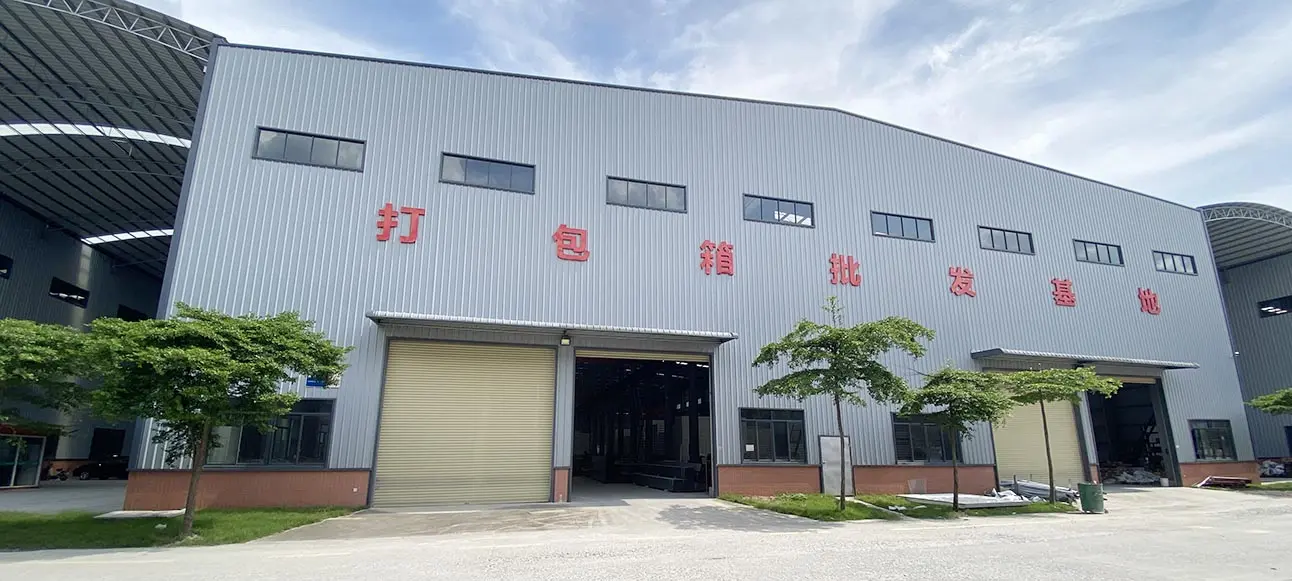
House Modular Building has accumulated rich professional knowledge and extensive experience in the production and distribution of state-of-the-art container houses and prefabricated modular buildings. The company integrates a comprehensive, in-house architectural design team dedicated to providing bespoke solution designs tailored to our clients’ technical requirements. Our professional sales and technical support teams closely monitor and coordinate every stage of order processing, ensuring that customer requirements are precisely met. Crucially, our production facility guarantees product delivery with unmatched quality and manufacturing efficiency.
In order to better serve our global clientele and demonstrate our robust production and delivery capabilities, we have established dual manufacturing bases in both the North and South of China. This strategic configuration provides highly efficient delivery capabilities to meet the diversified regulatory and logistics requirements of different nations. We fully support OEM and ODM operations in our factory for various international markets and provide global distributors and trading companies with a mutually beneficial partnership framework.

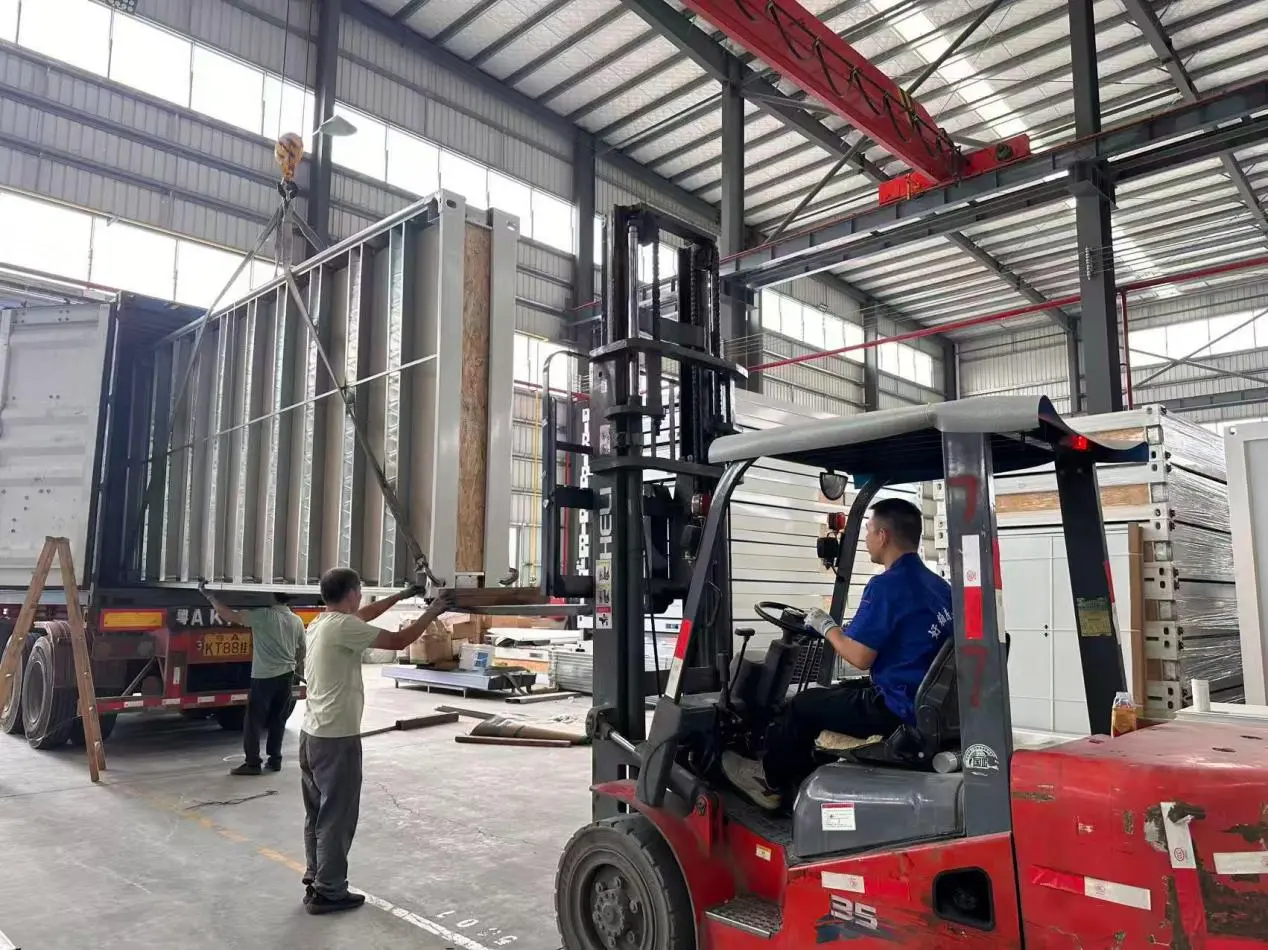
Our dual production facilities utilize Lean Manufacturing 4.0 paradigms to deliver high-quality modular structures cost-effectively. By sourcing premium steel and insulating materials directly from raw material suppliers, we exercise complete vertical control over the entire supply chain—from raw steel fabrication to base foundation components, and ultimately to the operational deployment of complex modular structures.
As a leading supplier of container houses, we understand that structural integrity and long-term durability are critical. Our design engineers leverage computer-aided finite element analysis (FEA) to simulate extreme wind loads, ground shifting, and thermal variance, ensuring that every unit complies with structural codes in target markets such as North America, Europe, Australia, and the Middle East.
Hot-dip galvanized light steel frame configurations resist rust, corrosion, and chemical exposure, extending operational lifespan beyond 25 years.
Choice of Rockwool, Polyurethane (PU), or EPS panel infills, providing superior thermal efficiency (U-values) and fire ratings suited for local codes.
Pre-plumbed and pre-wired systems adhering to CE, UL, or SAA standards, enabling plug-and-play setup upon arrival at site.
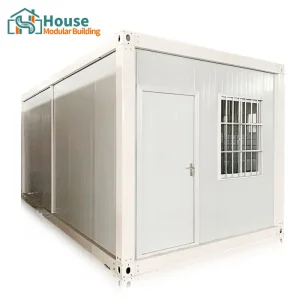
Flat pack designs and optimized dimensioning allow cost-efficient transport of up to 4 units inside a standard 40ft HQ container.
B2B procurement professionals require modular assets that adapt to diverse operational settings. From mining campsites to luxury office complexes, our engineering team optimizes floor plans and insulation levels according to target environmental challenges.
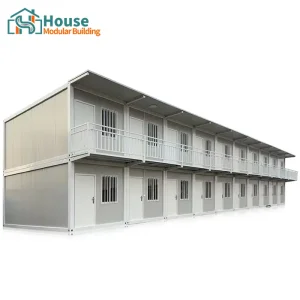
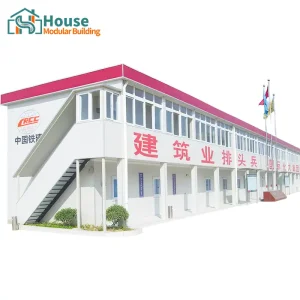
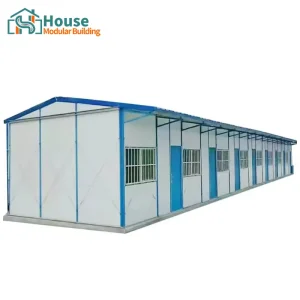
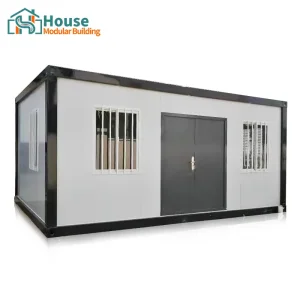
For mining, oil & gas, and large-scale infrastructure projects, rapid construction of temporary structures is vital. Our heavy-duty quick-assembly containers and K-shaped prefab houses offer durable dorms with integrated HVAC, private bathrooms, and acoustic dampening to ensure crew comfort in remote locations.
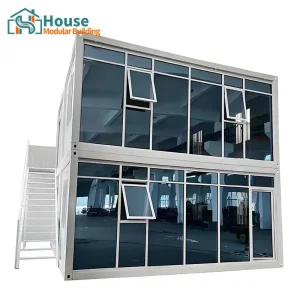
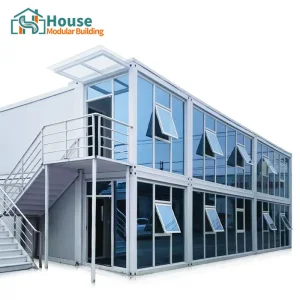
Modern businesses require highly aesthetic, rapid-assembly workspaces. Using our OEM Basic Container Office designs combined with glass curtain walls, developers can build double-layer configurations that serve as high-end headquarters, project sales offices, or premium administrative centers.
In post-disaster scenarios or rapid health deployments, portable container units act as clean rooms, quarantine clinics, or storage facilities. Easy wash panels, robust sanitization compatibility, and quick unfolding systems make these container modules indispensable for government tenders.
As a global B2B procurement partner, we answer common structural, logistical, and compliance questions raised by project developers and container house distributors.
Explore additional commercial, military, and residential container system options manufactured by our dual-base production facility.
 House Modular Building