Explore our high-performance, precision-engineered container houses customizable for global projects.
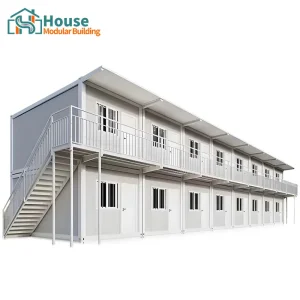
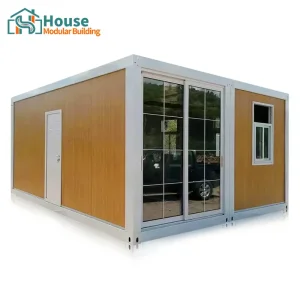
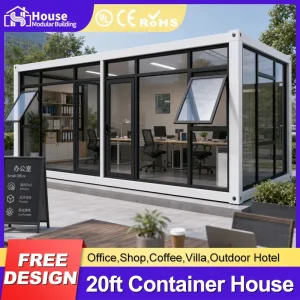
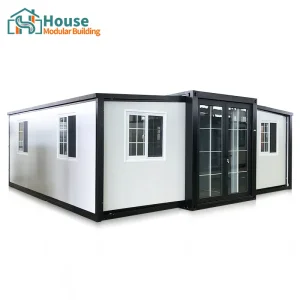
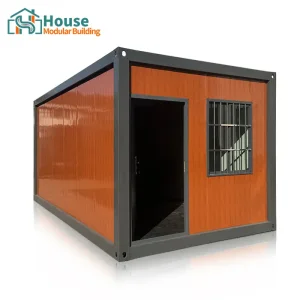
The construction sector is experiencing a monumental transformation. High local labor costs, material shortages, and urgent global housing demands have elevated modular building methods from niche alternatives to industry-leading solutions. Among these, the "Build Your Own Container Home" movement is driving change. It offers developers, municipal entities, and individual owner-builders unparalleled flexibility and structural reliability.
As a leading container home factory, House Modular Building serves this evolution by manufacturing customizable, industrial-grade steel structural components. Our modular components simplify shipping, speed up onsite assembly, and ensure compliance with strict international building codes. This whitepaper explains the design parameters, logistical systems, and technical aspects that make container houses standard solutions for modern developers worldwide.
Under the hood of the structural mechanics and architectural engineering that define House Modular Building units.
Constructed with cold-formed galvanised steel columns and beams, providing exceptional wind load performance and seismic resistance class 8.
Equipped with high-density polyurethane (PU), EPS, or Rockwool sandwich panels to satisfy global R-value requirements for cold climates.
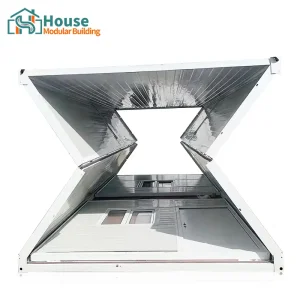
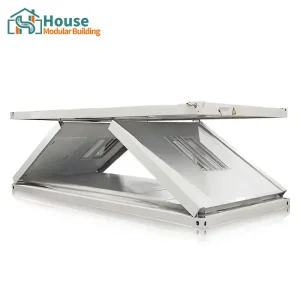
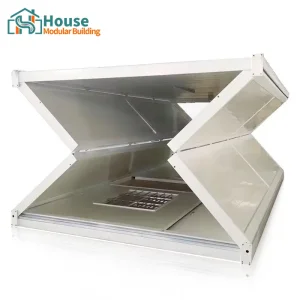
Featuring our innovative Z-configuration and folding mechanical hinges that allow crane-assisted expansion in under 15 minutes.
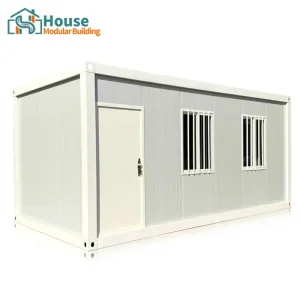
Container housing has evolved beyond simple converted shipping units. Today's commercial-grade modular systems are purpose-built structures. House Modular Building manufactures custom units using structural cold-formed steel frames with hot-dip galvanization. This provides long-term resistance to rust and environmental wear.
Standard containers are subject to fatigue, localized damage, and dimensional variations. By producing dedicated prefabricated modular units in our factories, we ensure tight tolerances within +/- 1mm. Our columns and main structural supports are fabricated from Q235B or Q355B steel, designed to withstand vertical live loads, dead loads, and regional snow loads. Protective multi-layer finishes protect the frames in salt-spray marine environments, coastal resorts, and industrial fields.
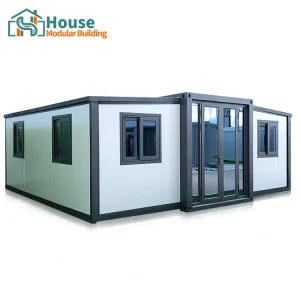
Our flagship 20ft and 40ft expandable container houses utilize a dual-side mechanical expansion system. Using heavy-duty, high-strength structural hinge pins and gas-strut or crane-assisted winching points, the side modules slide outward. This configuration expands the usable floor area by up to 200% upon delivery. Weatherproof EPDM gaskets seal the joints, preventing air infiltration and moisture penetration even during heavy storms.
To comply with diverse regional codes (like Title 24 in California or the EnEV standards in Europe), wall thicknesses can be customized up to 100mm. We offer specialized finishes, including real-wood timber cladding, woodgrain fiber cement board, and minimalist aluminum panels. These materials ensure that the structure matches the aesthetic needs of luxury villas and modern offices alike.
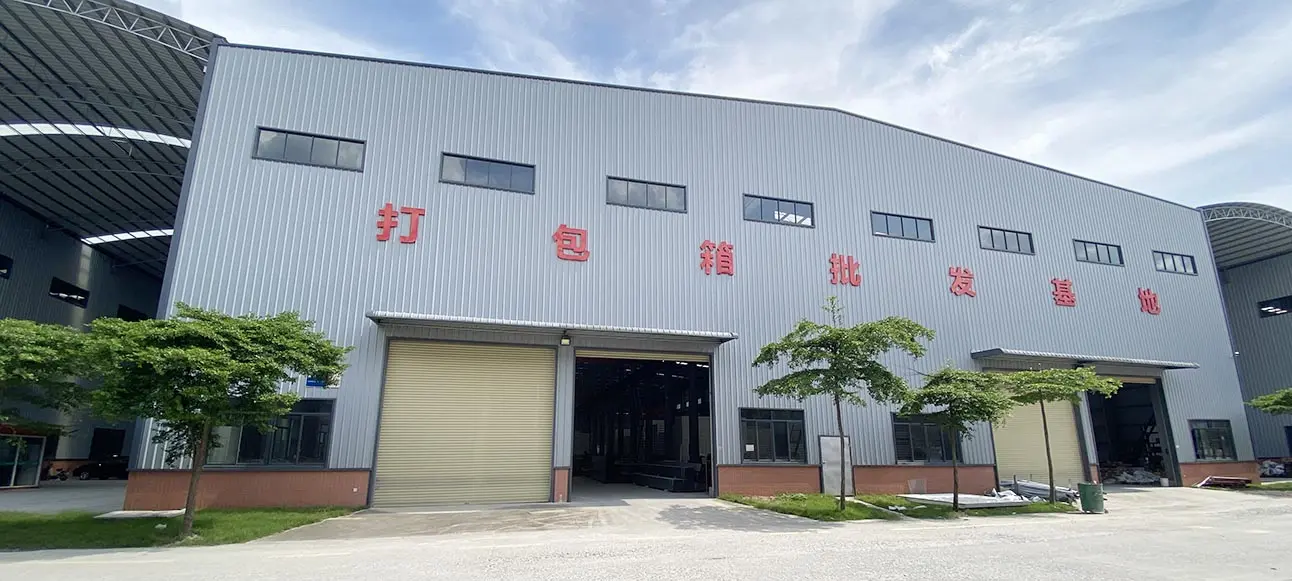
House Modular Building has rich professional knowledge and experience in the production of container houses and prefabricated houses. The company features a dedicated design team to provide solution designs for custom requirements, and a sales team to manage order logistics. Our factory ensures reliable, on-time product delivery with consistent quality and production efficiency.
To better serve customers and demonstrate our production and delivery capabilities, we have established production bases in both northern and southern China. This layout optimizes shipping costs and delivery times for different international shipping lanes. We support OEM and ODM operations in our factory for various countries, and offer distributors mutually beneficial partnership programs.
We are a production-oriented enterprise. The company has a large production base, and the factory has a senior professional independent research and development team. The factory currently has more than 200 employees. Technical personnel such as design and structural R&D account for more than 30% of the workforce. Over 60% of our employees have over 5 years of experience in the prefab housing industry, and the core members of the team have worked in the building materials field for more than 10 years. As a supplier of container houses, we maintain a strong team to support customers and solve their project challenges.
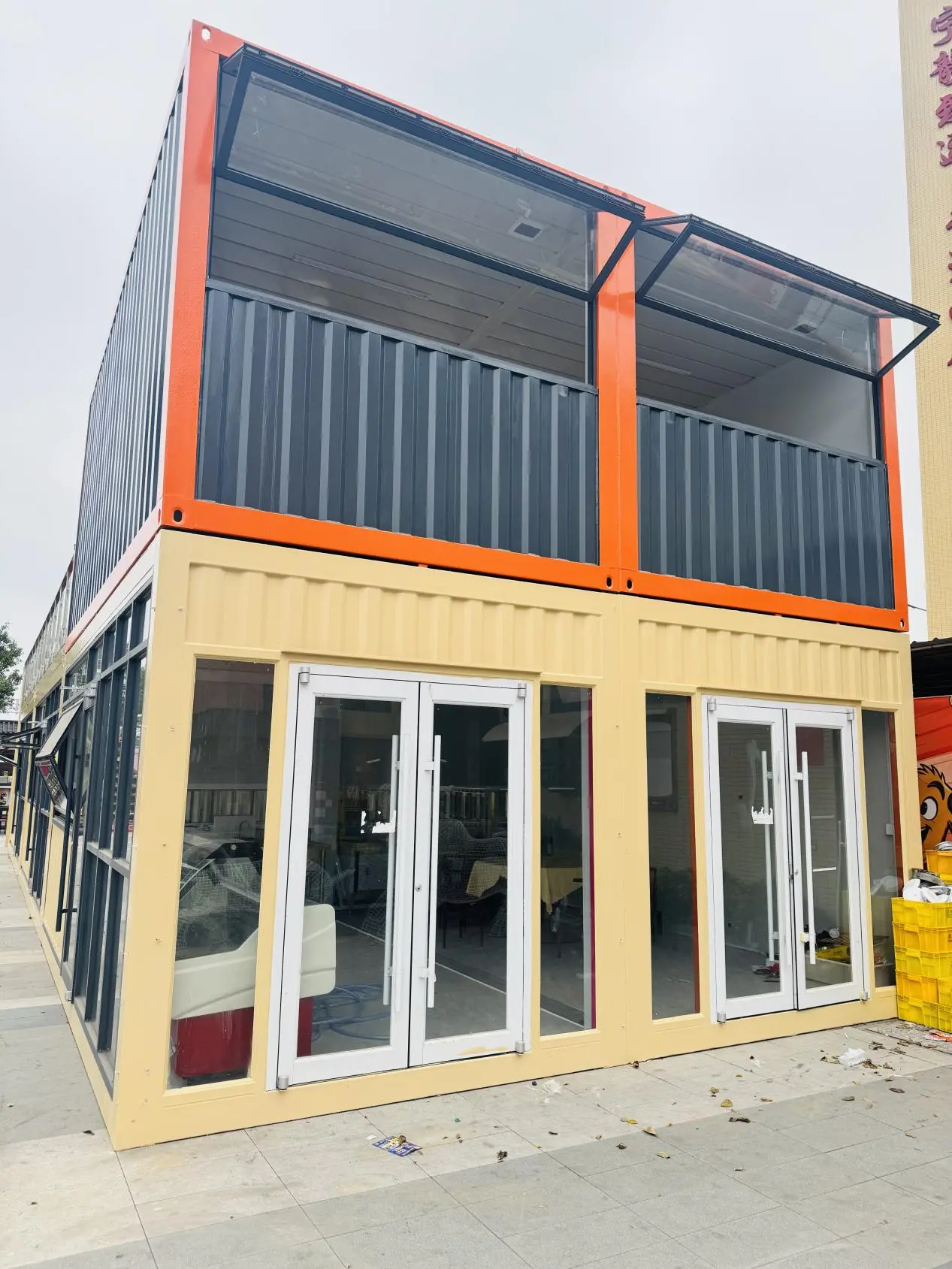
Modular container housing addresses a wide variety of industrial and commercial needs globally. Below are typical use cases for our systems:
How House Modular Building is driving innovation in modular structural engineering.
IoT home automation, smart climate sensors, automated air recovery units, and integrated solar electrical grids built into structural floor plans.
Adapting recycled structural steel components and mineral-based insulations to lower the embodied energy of the structure.
Developing inter-locking panel systems that allow field operators to convert offices into residences without altering the main steel frame.
A primary challenge for developers importing modular container homes is local zoning, engineering, and code compliance. House Modular Building designs and manufactures units to meet diverse international structural requirements:
Expert technical answers to help distributors and developers plan modular container projects.
With regular maintenance and proper foundation preparation, our structural galvanized steel container frames have a designed service lifespan of over 25 years. Anti-corrosive industrial coatings protect the steel components from rust and environmental degradation.
Most of our quick-assembly and expandable container houses ship flat-packed. This method allows up to 4 units to be loaded into a single 40ft HQ container, reducing ocean shipping costs. Once onsite, standard units can be fully expanded and bolted into place in under 30 minutes using a light crane.
Yes. We provide complete OEM and ODM customization. Our engineering team designs interior layouts, optimizes load-bearing configurations, and installs custom insulation materials to fit the specific climate and building codes of your project location.
Our structures are rated for wind speeds up to 180 km/h. For cold regions, we use high-density polyurethane sandwich panels and double-glazed low-E glass to improve insulation performance, minimize heat loss, and reduce energy consumption.
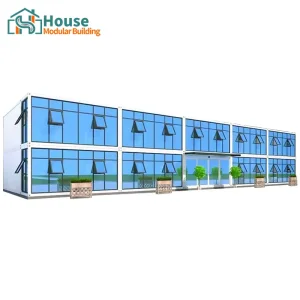
Explore our specialized commercial-grade modular systems configured for rapid deployment.
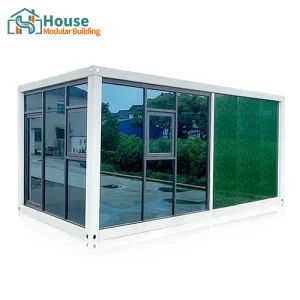
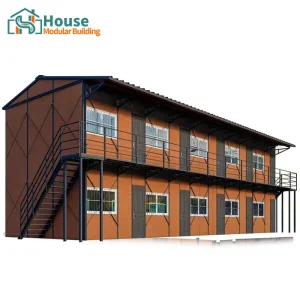
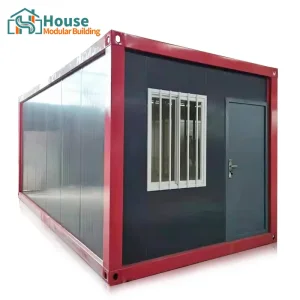
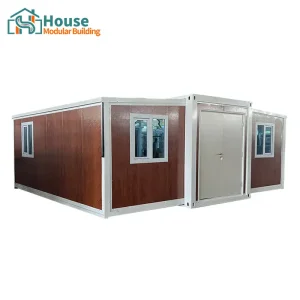
The transition toward prefabricated modular homes represents a long-term improvement in efficiency, durability, and commercial scalability. Partnering with a dedicated manufacturer like House Modular Building gives developers, distributors, and municipal buyers access to robust design support, rigorous manufacturing quality control, and simplified international logistics.
Our dual-production bases in China enable efficient delivery for diverse global projects. Explore our customizable product ranges, leverage our experienced design and production teams, and co-create modern container configurations built to perform in the field.
 House Modular Building