Advanced structural cladding components engineered for Nagoya's stringent building safety codes and thermal demands.
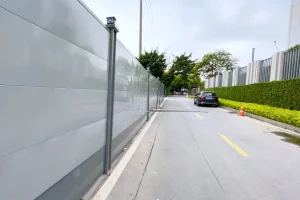
Nagoya, the capital of Aichi Prefecture, stands as the economic core of Japan’s manufacturing sector. As a global hub for automotive engineering (Toyota Motor Corporation's ecosystem), aerospace manufacturing, and precision technology, Nagoya's industrial zoning demands highly specific construction envelopes. Industrial buildings, cold storage warehouses, and assembly plants in this coastal region require wall cladding systems capable of enduring severe environmental conditions.
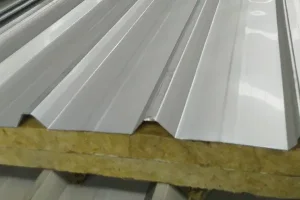
Particularly, structures built in Nagoya and near the Port of Nagoya must adhere to strict structural standards. The design of industrial buildings must account for high seismic activities linked to the Nankai Trough earthquake projections, as well as extreme typhoon wind loads along the bay. Selecting the right sandwich panels and high-strength structural fittings is critical. Thermally insulated composite panels, using core materials like Polyisocyanurate (PIR), Polyurethane (PU), and high-density Rockwool, are essential to meet these requirements.
As a seasoned supplier serving the Aichi region, we engineer systems that satisfy the Japan Building Standards Act. Our sandwich panels feature advanced interlocking joints, air-tight sealing mechanics, and corrosive-resistant exterior steel coatings designed to withstand Nagoya's high-humidity coastal atmospheres.
Specialized structural fittings and panel joints designed to absorb lateral displacement during seismic activities, preventing panel dislodgement.
High-grade outer steel skins manufactured to meet Japanese Industrial Standards (JIS G 3322) for prepainted hot-dip zinc-aluminum alloy-coated steel sheets.
Excellent non-combustible core configurations (mineral wool and PIR) designed to satisfy Article 22 of the Building Standards Act for fire prevention zones.
Understanding the transition toward energy-efficient, pre-engineered building envelopes in modern manufacturing zones.
The construction sector across Nagoya is undergoing an ecological and technological transition. Under Japan's Net Zero Energy Building (ZEB) roadmap, new industrial and commercial structures must drastically lower their carbon footprint and overall energy consumption. This shift has elevated the thermal envelope to a critical design factor. Modern factory planners no longer view sandwich panels as simple exterior walls; they are treated as integrated thermal barrier systems.
In global procurement, commercial developers look for reliable manufacturing capabilities combined with deep local knowledge. For projects in Aichi, this means partnering with factories capable of high-volume manufacturing that can also adapt structures to fit Japan's demanding construction timelines. By utilizing dual manufacturing bases in northern and southern China, we optimize shipping routes directly to the Port of Nagoya. This configuration helps insulate project timelines from localized disruptions and optimizes logistics costs.
House Modular Building has rich professional knowledge and experience in the production of container houses and prefabricated houses. The company has a design team to provide solution design for customers' needs, a sales team to follow up and serve customers' order requirements, and the factory guarantees product delivery with quality and production efficiency.
In order to better serve customers and demonstrate the company's production and delivery capabilities, we have established production bases in both the north and south of China to provide efficient delivery capabilities to customers with different national needs. We support OEM and ODM operations in our factory for different countries, and provide distributors with a mutually beneficial partnership.
For a long time, with the evaluation and recognition of customer satisfaction, our company team has comprehensive service capabilities and business technology coverage, starting from the production of raw materials, to the construction and construction of foundations, and then to the construction and operation of service systems.
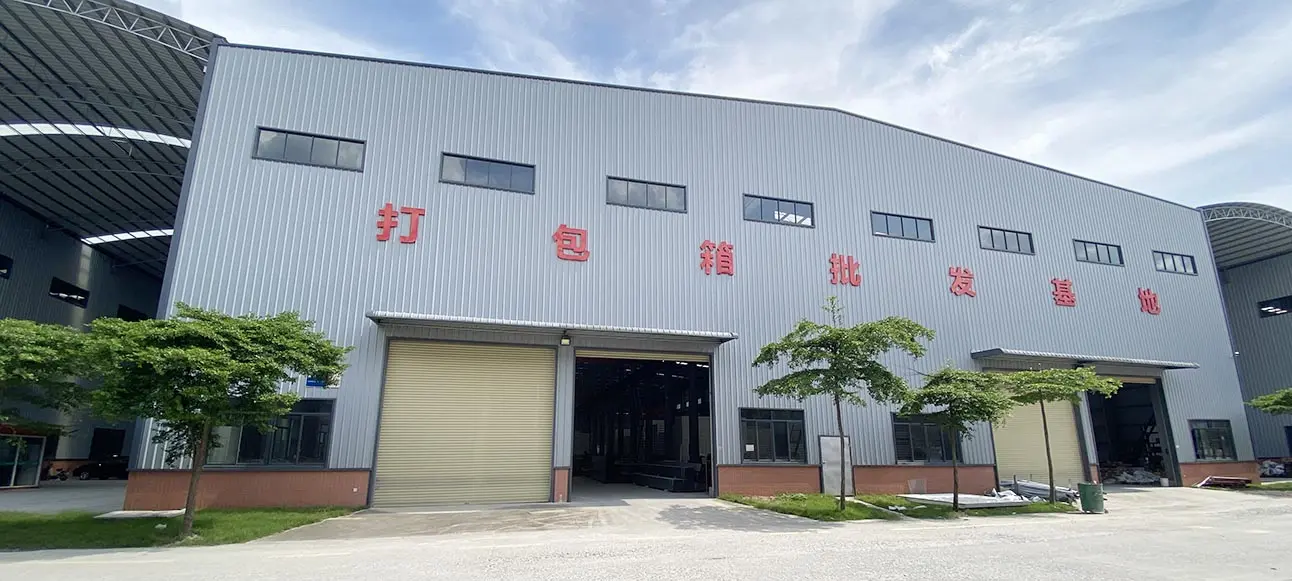
ABOUT House Modular Building - Strategic Production Facilities
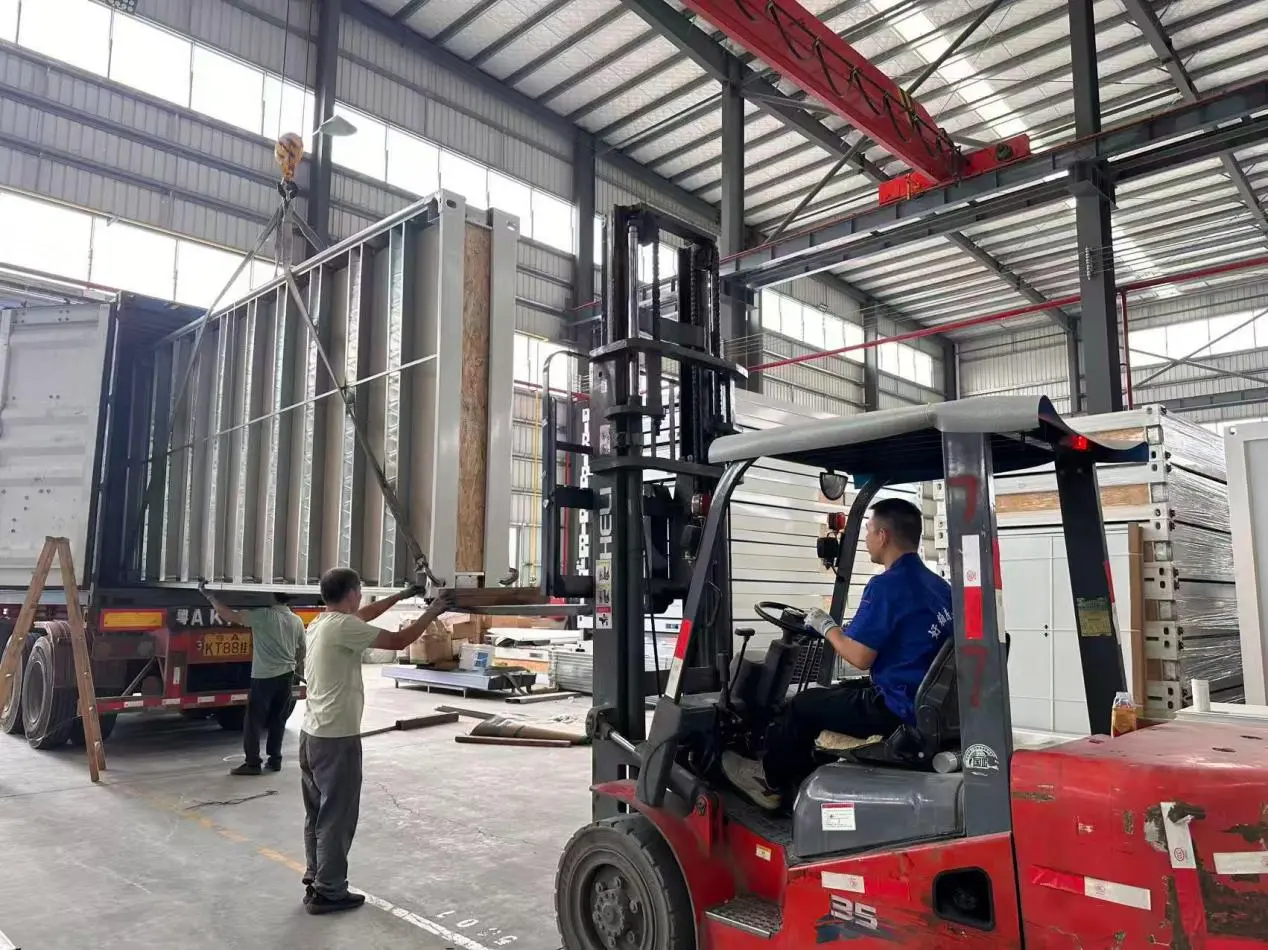
House Modular is a production oriented enterprise. The company has a large production base, and the factory has a senior professional independent research and development team. The factory currently has more than 200 employees, among which technical personnel such as shell research and development account for more than 30% of the total number of employees; More than 60% of the employees have over 5 years of experience in the shell production industry, and the core members of the team have worked in the building materials service field for more than 10 years. As a supplier of container houses, we must have a strong team to serve customers and solve their demand problems.
Custom structural panel configurations, thermal envelopes, and specialized fasteners optimized for modern commercial properties.
Our solutions for local heavy industries focus on robust wall and roof systems that resist dynamic loads. We configure rockwool core panels to provide acoustic dampening near high-noise machinery, combined with high-grade fasteners that prevent loosening from ongoing structural vibrations.
To support logistics hubs around Nagoya Port, we supply thick PIR core panels with tongue-and-groove joints and integrated rubber seals. These panels prevent cold bridge effects, maintain stable interior temperatures, and support energy conservation efforts in large cold storage facilities.
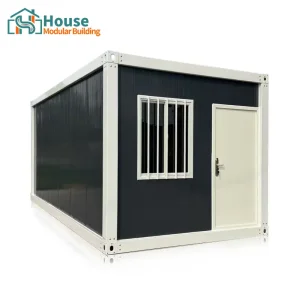
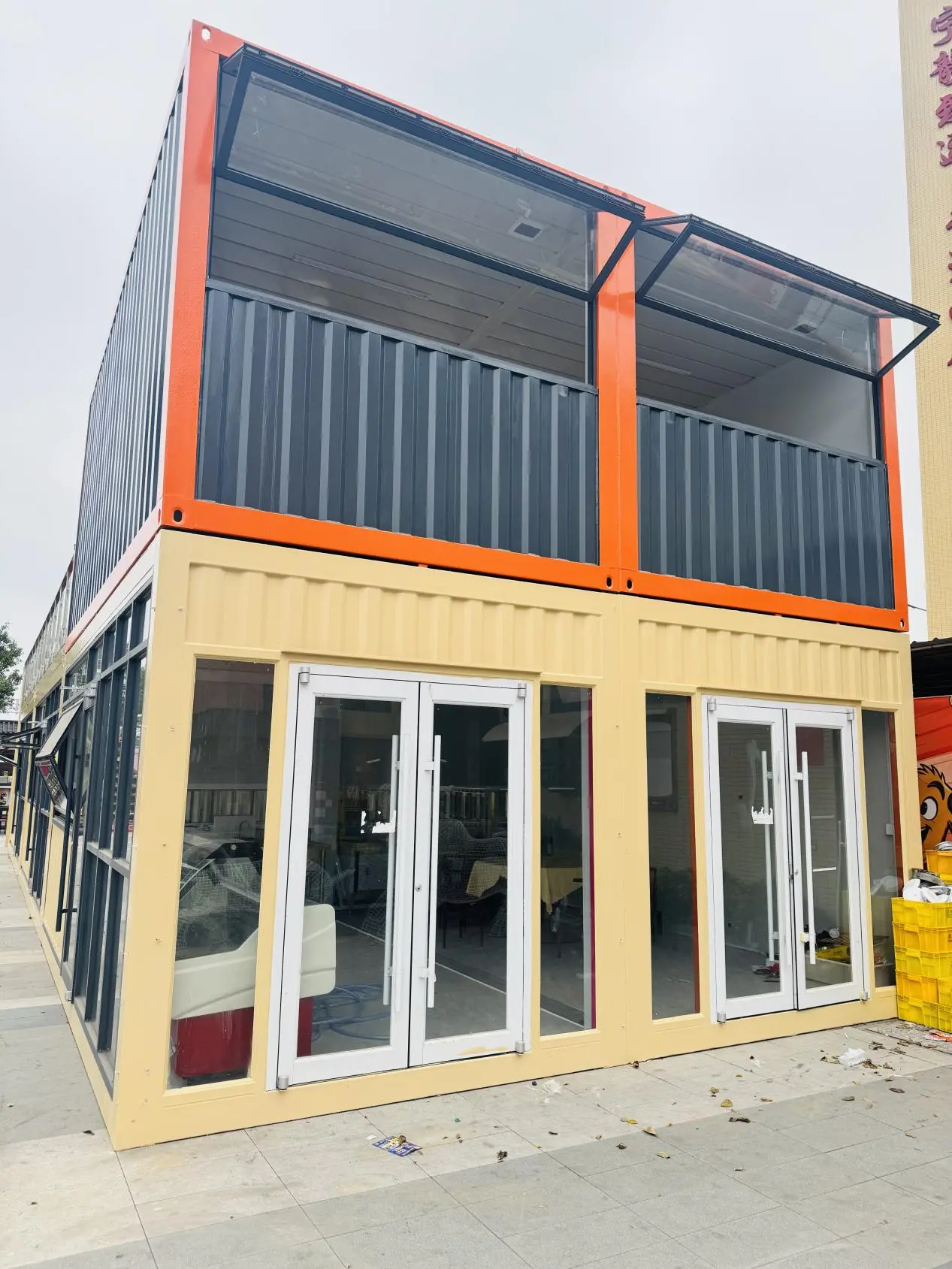
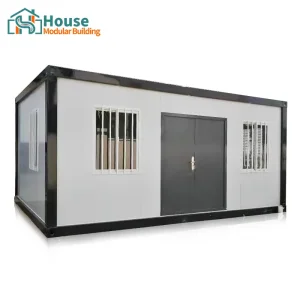
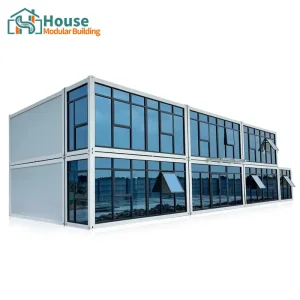
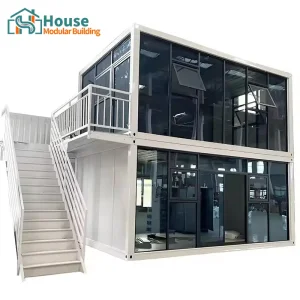
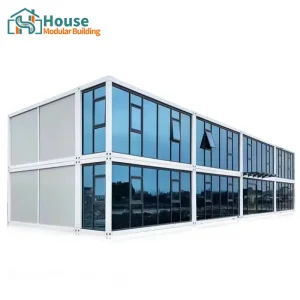
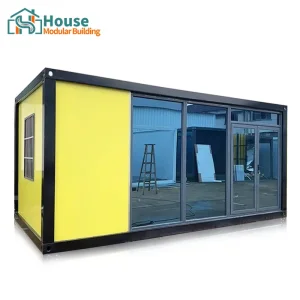
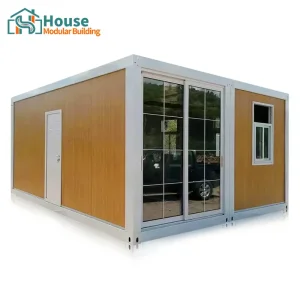
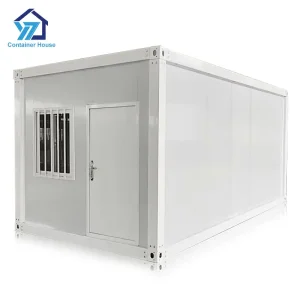
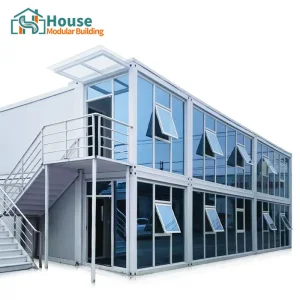
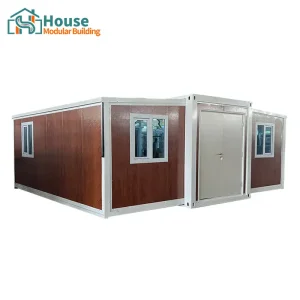
For construction developments, our quick-assemble container structures and temporary enclosures offer weather-tight and durable spatial configurations. They are designed for fast installation and can be disassembled and repositioned as site demands change.
| Parameter | Industrial Standard | House Modular Specs |
|---|---|---|
| Core Insulation | PIR / Rockwool / EPS | High-Density Polyisocyanurate (JIS A 9511) |
| Facing Thickness | 0.4 - 0.6 mm | 0.5mm / 0.6mm Prepainted Galvanized Steel |
| Fire Performance | Non-combustible | Class A / Semi-Non-combustible (ISO 1182) |
| Wind-Load Cap | Varies by height | Up to 4.5 kPa (Custom Reinforced Panels) |
| Seismic Tolerance | Story Drift 1/150 | Flexible interlock allows drift up to 1/120 |
Continuous innovation in cladding materials and modular building design to meet future performance requirements.
To align with evolving building regulations in Aichi Prefecture and the broader Japanese market, our product development path focus on three primary goals: raw material optimization, carbon reduction in manufacturing, and modular integration.
We are working to introduce post-consumer recycled steel coils for outer cladding layers, paired with bio-polyols in our polyurethane core synthesis. This helps lower the overall embodied carbon of the building envelope, supporting developers pursuing LEED, BREEAM, or CASBEE certifications.
Our engineering team is testing dynamic joint systems with integrated synthetic rubber gaskets. These profiles adapt to slight expansion and contraction cycles caused by ambient temperature swings in Nagoya, ensuring long-term air and water tightness.
For coastal zones like Kinjo Pier and Tobishima in Nagoya Port, standard paint finishes may degrade over time. We utilize premium fluorocarbon (PVDF) and high-durability polyester (HDP) outer finishes to protect the steel skin from salt-spray corrosion and fading caused by UV exposure.
We design and supply structural fixing brackets, flashings, and sub-frames specifically for steel framing projects. Using high-tensile fasteners paired with vulcanized EPDM washers prevents localized galvanic corrosion and maintains clean structural seams.
Explore our complete product lineup, suitable for heavy industrial complexes, logistics hubs, and modular workspaces in Nagoya.
Detailed engineering, logistical, and structural answers to simplify your project planning in Nagoya.
The choice depends primarily on whether thermal efficiency or fire protection is the project’s main priority. PIR (Polyisocyanurate) offers high thermal resistance (lambda value ≈ 0.020 W/m·K), making it suitable for cold storage facilities and temperature-controlled electronics factories in Aichi. Rockwool (Mineral Wool) is a non-combustible material (melting point above 1000°C) with excellent fire resistance. It is commonly selected for chemical facilities, automotive welding zones, and boundary walls adjacent to close-lying industrial plots in Nagoya, where compliance with strict regional fire safety codes is mandatory.
Article 22 of the Japan Building Standards Act governs roof and exterior wall materials in fire-prevention and quasi-fire-prevention districts, which cover many of Nagoya's industrial areas. Our high-density rockwool core sandwich panels are manufactured with non-combustible core materials and steel skins. Upon request, we provide testing documents and certificates for international equivalent non-combustibility parameters to help your design team work with local authorities during the design approval process.
High wind resistance is achieved by using thicker structural steel skins (0.5 mm or 0.6 mm) combined with heavy-duty structural steel plates at fixing points. In high-exposure areas near Nagoya Port, we recommend structural framing layouts with shorter spans between steel supports and double-screw fixing brackets. Our high-tensile steel fasteners are engineered to handle repetitive dynamic loads and prevent pull-out failure during strong winds.
Operating dual production bases in North and South China provides flexible shipping options. Standard custom panel orders are manufactured in 15 to 25 days. Shipping to the Port of Nagoya takes 5 to 9 days, depending on carrier schedules. We coordinate local import customs clearance and provide container packing lists, certificates of origin, and compliance certifications to ensure smooth customs processing at the port.
We supply complete engineering systems, not just standard flat panels. Our team manufactures matching accessories, including internal/external corner flashings, drip trims, specialized U-channels, fasteners, and elastic sealant gaskets. This integrated approach ensures consistent insulation performance and neat alignment across your entire building envelope.
Need detailed CAD drawings, custom core material specifications, or a freight quote direct to your Nagoya project site? Reach out to our technical support team today.
 House Modular Building