High-efficiency structural panels engineered to withstand harsh coastal climates and meet local energy optimization standards.
Navigating GEG energy regulations, maritime climate challenges, and logistics innovations in Northern Germany.
The Metropolitan Region of Hamburg, serving as Northern Germany's logistics and manufacturing nucleus, maintains unique demands for envelope construction. With the Port of Hamburg acting as a central gateway, industrial complexes demand sandwich panels and modular fittings capable of resisting high atmospheric humidity and saline air corrosion (classification C5-M). Local commercial enterprises, food processing terminals, and cold-chain storage assets are rapidly modernizing their envelopes to comply with the Gebäudeenergiegesetz (GEG), which dictates strict limits on building heat loss.
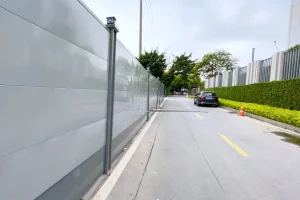
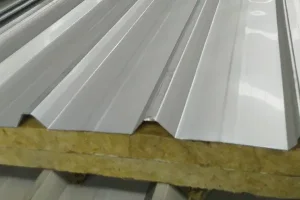
This strict regulatory framework positions composite sandwich panels—especially those incorporating high-density Polyisocyanurate (PIR) and Rockwool cores—as essential infrastructure components. Standard industrial halls in Harburg, Wilhelmsburg, and Billbrook rely heavily on lightweight cladding panels with low U-values (under 0.18 W/m²K) to reduce seasonal heating requirements. Local planners demand swift installation cycles. Modular sandwich assemblies bypass long structural curing times, minimizing downtime in high-traffic logistics corridors.
Equipped with C5-M protective coatings, our external metal skins resist the aggressive marine humidity of the Hamburg harbour district, guaranteeing longevity of up to 35 years.
Achieve strict German thermal limits using advanced foam blowing agents. Our PIR panels offer superior heat insulation within thin cross-sections, maximizing interior space.
Precision-engineered tongue-and-groove joint systems ensure fast installation for Hamburg's commercial logistics parks, reducing labor costs and weather risks.
Cold Chain Logistics Hubs: Near the container terminals of Waltershof and Altenwerder, massive temperature-controlled distribution depots require reliable sandwich insulated panels. With thicknesses varying from 100mm to 200mm, these panels maintain steady sub-zero temperatures, crucial for food security and energy usage.
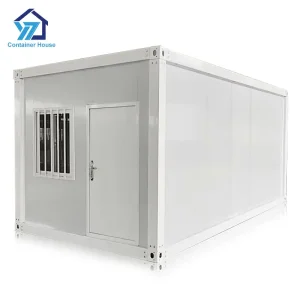
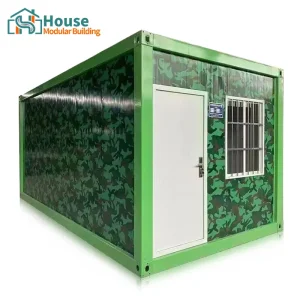
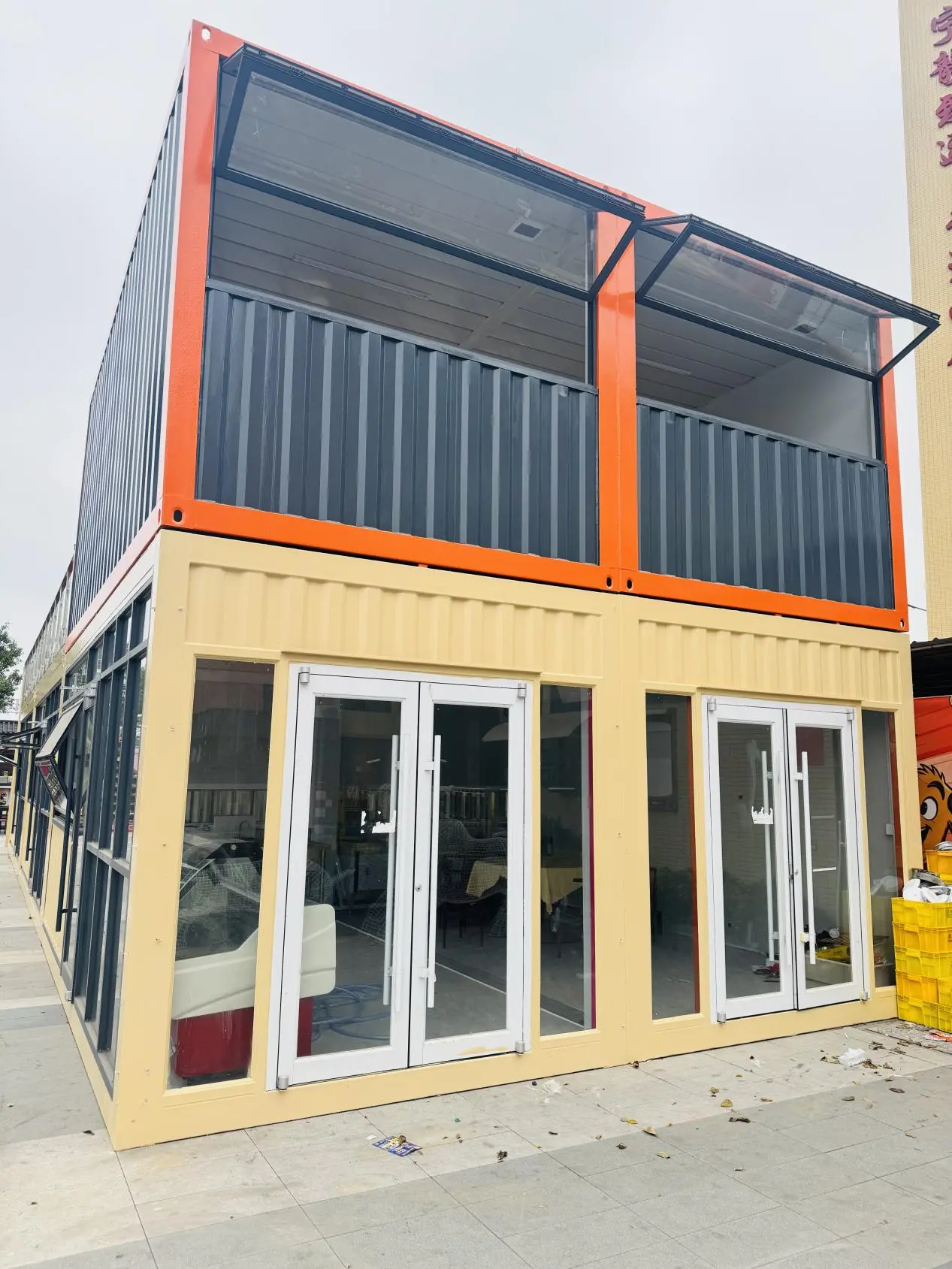
Modular Temporary Site Enclosures: Urban developments in HafenCity and residential expansions require rapid setup partition systems and office modules. Our customizable modular container frames, combined with pre-fitted panel insulation, offer robust temporary control stations and administrative spaces.
Acoustic & Fire Wall Isolation: Manufacturing units located near residential developments in Hamburg-Nord use mineral fiber sandwich panels to achieve excellent sound transmission loss (up to 32 dB) and Class A1 non-combustible fire protection rating, securing building permission approvals.
Pioneering green, circular, and digital manufacturing technologies in the composite building envelope industry.
The global construction industry is shifting toward a circular model. In response, our technology roadmap emphasizes the development of bio-based polyurethane cores and fully recyclable panel skin systems. By using eco-friendly raw materials, we reduce the lifetime carbon emissions of commercial complexes, aligning with Germany's target of carbon neutrality by 2045.
Furthermore, structural integration is changing through the use of Embedded Sensors inside sandwich cores. This tech measures structural stress, moisture ingress, and thermal fluctuations in real time. These smart elements link directly with standard building management interfaces, transforming simple cladding into active safety systems.
How our dual-base production infrastructure guarantees reliable delivery and competitive edge for European buyers.
To serve international customers and demonstrate our production capabilities, we have established production bases in both Northern and Southern China. This geographic distribution provides efficient shipping logistics for global demands. We support OEM and ODM operations in our factory for different countries, offering distributors a mutually beneficial partnership.
By leveraging two separate coastal production centers, we mitigate localized raw material shortages, power grid limitations, or seasonal freight bottlenecks. Hamburg projects benefit from direct container shipping departures via Ningbo-Zhoushan or Qingdao ports, accessing deep-sea connections straight to the Port of Hamburg. This arrangement ensures steady pricing, reliable lead times, and continuous product delivery, helping builders avoid costly construction delays.
House Modular Building has rich professional knowledge and experience in the production of container houses and prefabricated houses. The company has a design team to provide solution design for customers' needs, a sales team to follow up and serve customers' order requirements, and the factory guarantees product delivery with quality and production efficiency.
We are a production-oriented enterprise. The company has a large production base, and the factory has a senior professional independent research and development team. The factory currently has more than 200 employees, among which technical personnel such as shell research and development account for more than 30% of the total number of employees. More than 60% of the employees have over 5 years of experience in the shell production industry, and the core members of the team have worked in the building materials service field for more than 10 years. As a supplier of container houses, we must have a strong team to serve customers and solve their demand problems.
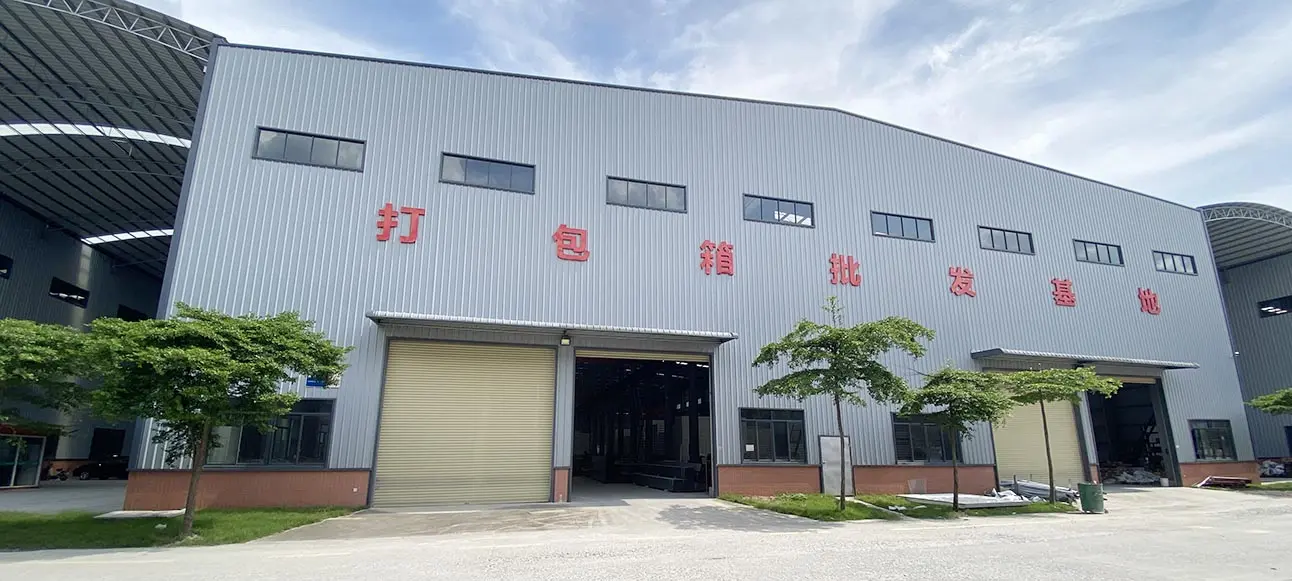
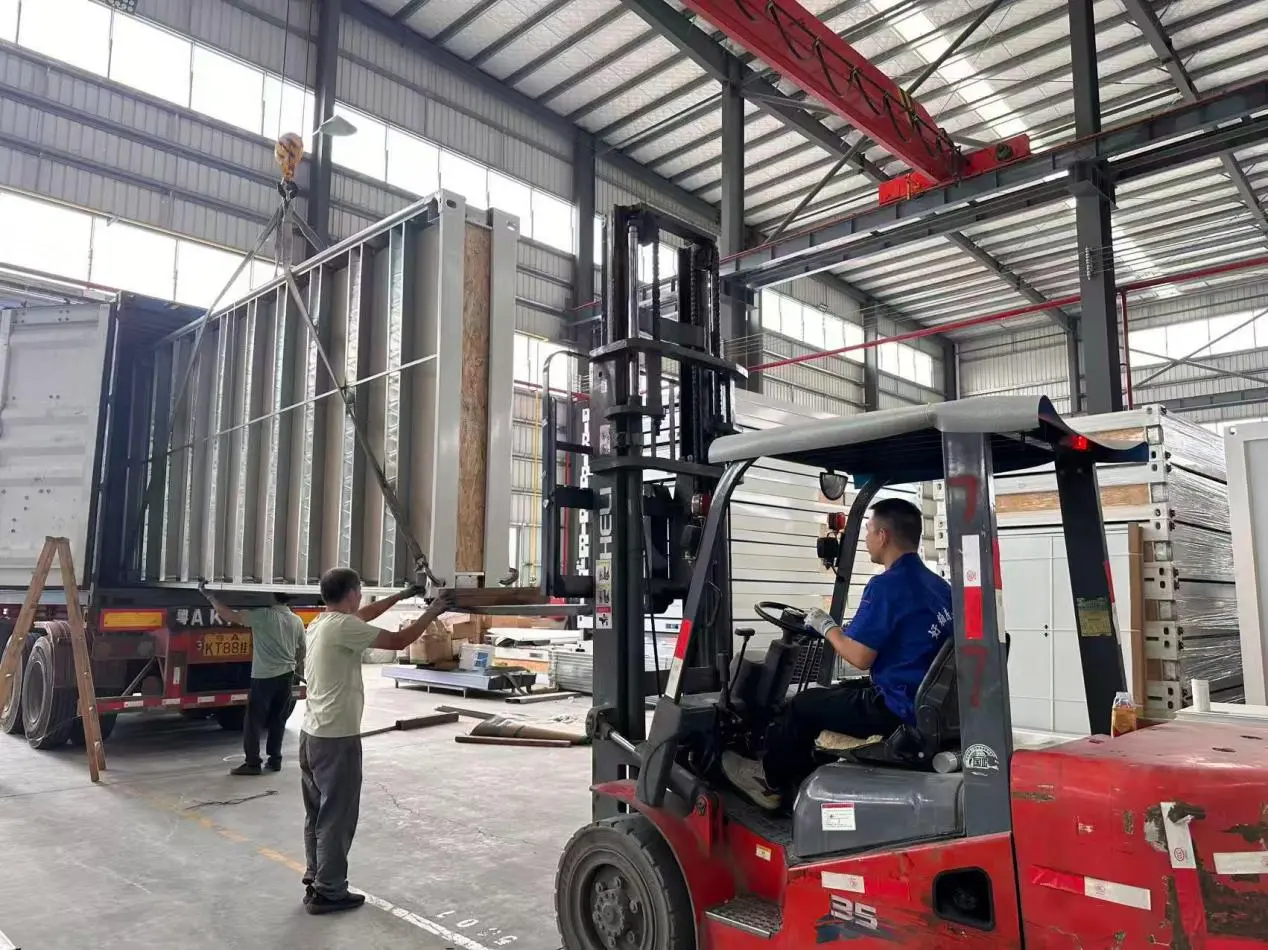
For a long time, with the evaluation and recognition of customer satisfaction, our company team has comprehensive service capabilities and business technology coverage, starting from the production of raw materials, to the construction and construction of foundations, and then to the construction and operation of service systems.
Every sandwich core material and framing component undergoes strict loading and thermal resistance stress tests. We use precise testing instruments to measure structural deflection, fire resistance, and coating adhesion, ensuring that all modular structures comply with local building regulations and technical guidelines in Northern Germany.
Highly adaptable prefabricated units designed for Hamburg office expansions, art studios, and heavy-duty industrial site complexes.
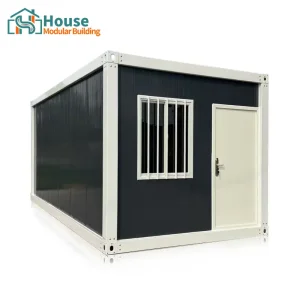
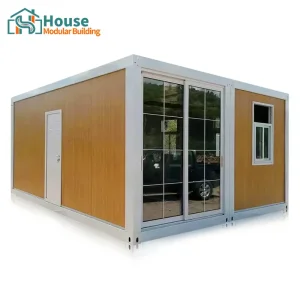
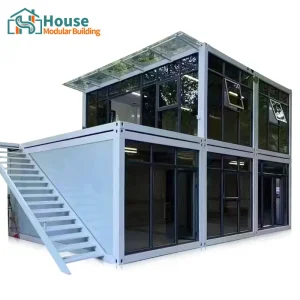
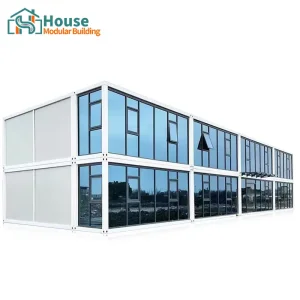
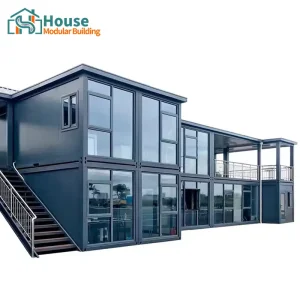
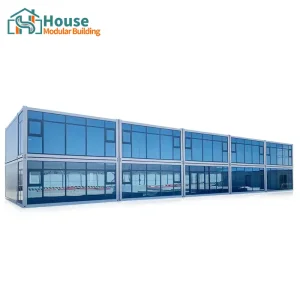
Ensuring our sandwich panels and fittings meet strict DIN and EN requirements.
To successfully integrate building elements into the German market, compliance with regional regulations is mandatory. Our products are manufactured to meet CE marking standards, adhering to European standards for sandwich panels: DIN EN 14509. This standard regulates the structural properties, mechanical resistance, and thermal performance of self-supporting double skin metal face insulating panels.
Additionally, we subject our raw steel sheets and core insulation materials to regular fire, sound, and thermal testing. This ensures that every container module and structural panel delivered to Hamburg complies with building regulations, simplifying the approval process for local builders, engineers, and project developers.
Clear, technical answers to common queries regarding specifications, compliance, and logistics in the Hamburg market.
Yes. Our Polyisocyanurate (PIR) and polyurethane composite panels are designed with very low thermal conductivity values (down to 0.022 W/m·K). With appropriate panel thicknesses (typically 120mm to 160mm depending on building design), they meet the U-value limits specified in the Gebäudeenergiegesetz (GEG) for industrial and commercial buildings.
For seaside installations and regions exposed to maritime climates, we offer steel skins treated with high-durability coatings, such as PVDF or specialized Polyurethane coatings. These coatings provide C5-M level protection, preventing rust and ensuring long-term durability in saline environments.
We supply panels with different cores depending on fire safety requirements. Our Rockwool (mineral fiber) core panels achieve A1/A2 non-combustible ratings under DIN EN 13501-1, providing up to 120 minutes of fire resistance (EI120). PIR core panels are classified under fire class B-s1, d0, which is widely approved for standard commercial and industrial structures.
Our dual-base infrastructure (in Northern and Southern China) allows us to balance production capacity and source raw materials efficiently. We organize direct ocean container transport from major ports like Shanghai, Ningbo, and Qingdao directly to the Port of Hamburg. This system avoids logistics bottlenecks and ensures consistent supply chains.
Yes, we offer comprehensive OEM and ODM options. We can customize panel dimensions, colors (RAL color chart matching), profiling styles, core material densities, and structural steel thicknesses. Our technical design team can also adapt modular container configurations to align with specific European structural calculations and spatial designs.
Contact our sales and engineering team for custom drawings, technical specifications, and detailed material quotes for the Hamburg market.
Send Inquiry Now House Modular Building