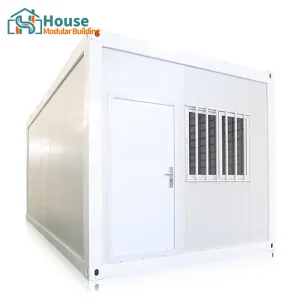
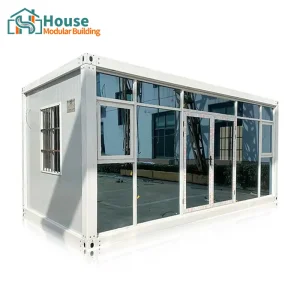
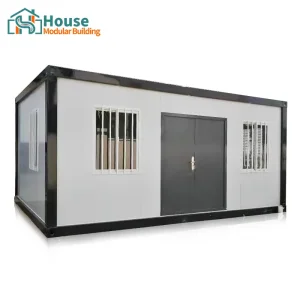
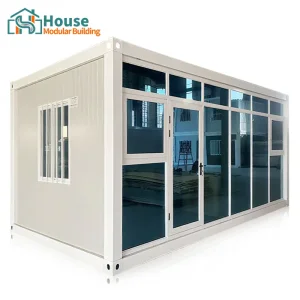
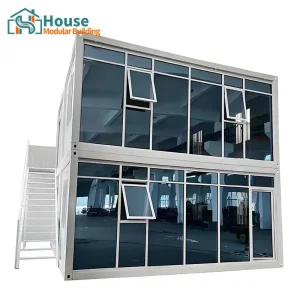
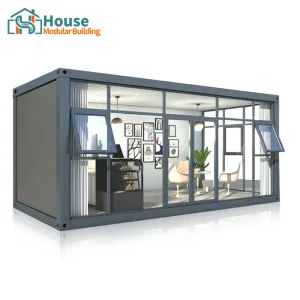
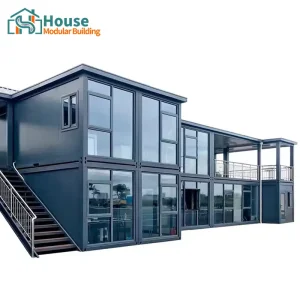
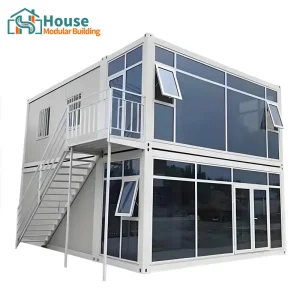
 House Modular Building
Engineered for immediate site deployment, structural resiliency, and low-impact installation across Costa Rica's unique regions.
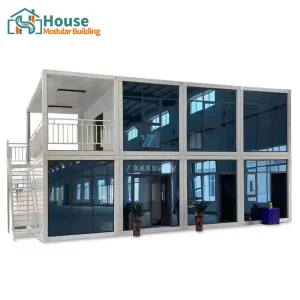
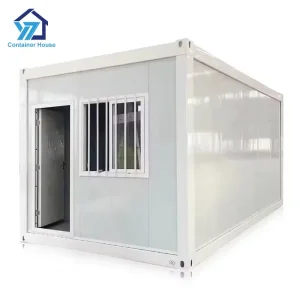
Costa Rica stands as a global beacon for environmental preservation and sustainability, driven by its National Decarbonization Plan 2018-2050. In this progressive framework, traditional high-carbon concrete and masonry construction face major economic and regulatory hurdles. Volumetric modular steel container buildings present a low-impact, circular-economy solution that aligns with the country's stringent ecological targets.
However, the Central American environment demands advanced engineering. Costa Rica sits along the Pacific Ring of Fire, subject to significant tectonic activity under the Código Sísmico de Costa Rica (CSCR). Our modular structures utilize high-tensile cold-rolled galvanized steel frames designed to dissipate seismic energy through ductile deformation. Unlike heavy brick-and-mortar, these light-gauge steel frameworks flex without catastrophic structural collapse, offering unparalleled safety in high-acceleration seismic zones like San José and Alajuela.
Beyond seismology, Costa Rica's diverse microclimates present intense meteorological challenges. The coastal lowlands (Puntarenas, Guanacaste, Limón) feature high ambient temperatures, salt spray, and relative humidity exceeding 90% during the rainy season (la época lluviosa). Without marine-grade anti-corrosive coating systems, structural degradation occurs rapidly.
Our solutions integrate hot-dip galvanization (minimum coating mass of Z275 g/m²) paired with multi-layer epoxy polyurethane finishes, achieving an ISO 12944 C4 or C5-M high corrosion resistance classification. Thermally, our wall assemblies utilize Closed-Cell Polyurethane (PU) or high-density Rockwool insulation panels, achieving excellent thermal resistance (R-values) to significantly reduce HVAC energy consumption in tropical zones.
From luxury eco-lodges along the Pacific coast to temporary civil infrastructure, modular configurations solve critical space challenges without site disruption.
Minimal footprint installation using screw-pile foundations. Prevents soil erosion and maintains canopy drainage pathways in pristine regions like Corcovado, Manuel Antonio, and Monteverde Cloud Forests.
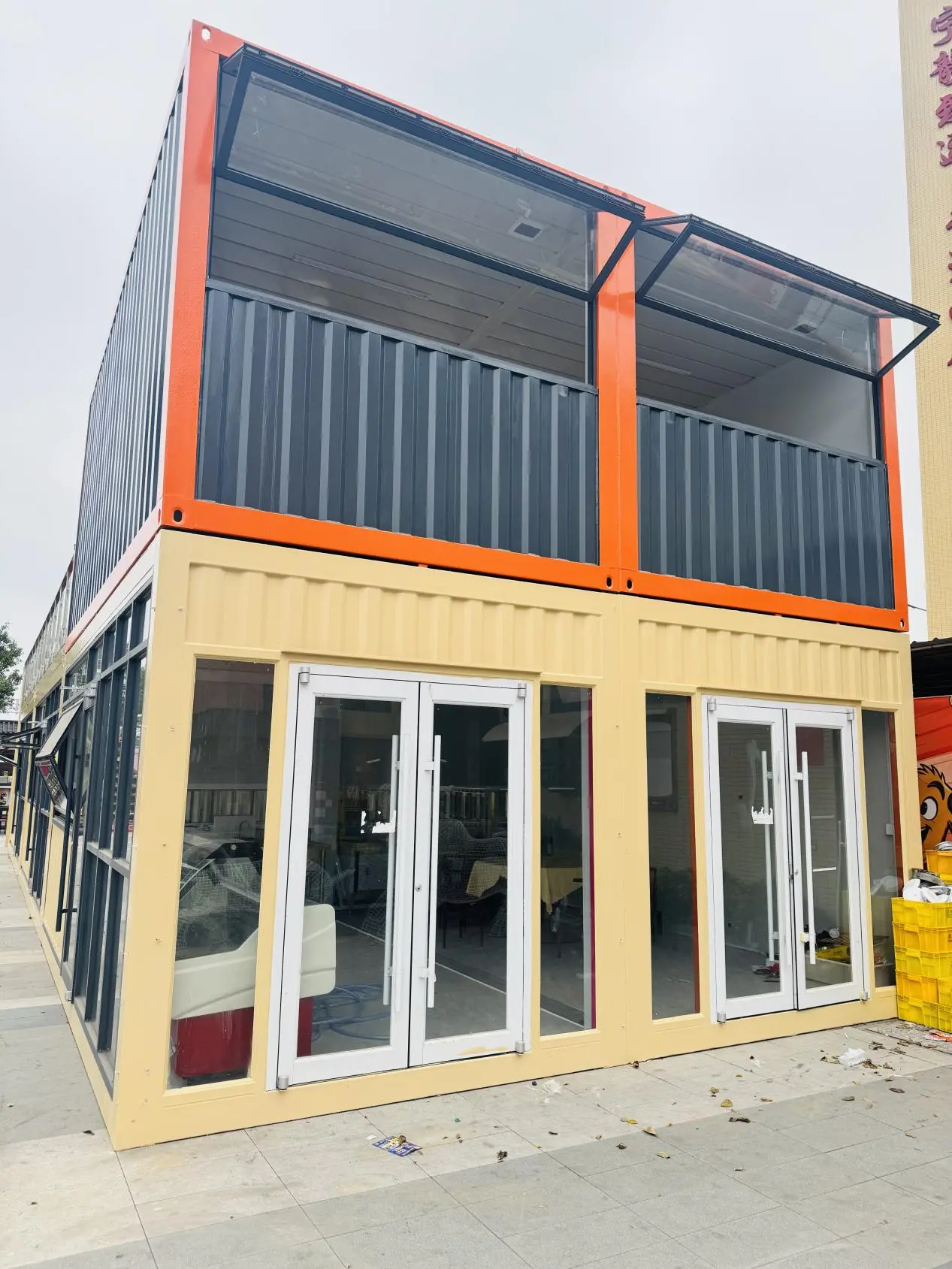
Rapidly deployable administrative offices, logistics hubs, and commercial storefronts. Specially optimized for commercial free trade zones (Zonas Francas) in Alajuela and Heredia, cutting assembly time by up to 70%.
Engineered for seamless integration with off-grid photovoltaic arrays, localized graywater reclamation systems, and high-volume rainwater harvest routing, perfect for off-grid communities in Nicoya Peninsula.
Our modular container building packages conform to rigorous international performance protocols, ensuring maximum durability under dynamic loading conditions.
| Structural Sub-System | Material Composition & Standard | Costa Rica Environmental Compliance |
|---|---|---|
| Primary Frame | Q235B / Q345B Cold-Rolled Galvanized Steel (Profile thickness: 3.0mm - 4.0mm) | Designed to meet CFIA seismic hazard zones and high structural flex tolerances. |
| Insulation core | Closed-cell PU (Polyurethane) / High-Density Rockwool (50mm / 75mm / 100mm) | High R-values for tropical heat mitigation; non-combustible classification (Class A). |
| Exterior Coating | Marine-grade epoxy primer with double-bake acrylic polyurethane topcoat (80-120μm) | ISO 12944 C5-M rated; excellent UV stabilization and resistance to saline ocean winds. |
| Sub-flooring | 18mm Fiber Cement Board (Classified water-resistant and rot-proof) | Impervious to moisture, insect attack (termites), and high humidity decay. |
| Glazing Systems | Double-pane tempered glass with thermal break aluminum frames (Low-E coated) | Minimizes infrared solar energy transmission while maintaining internal acoustic insulation. |
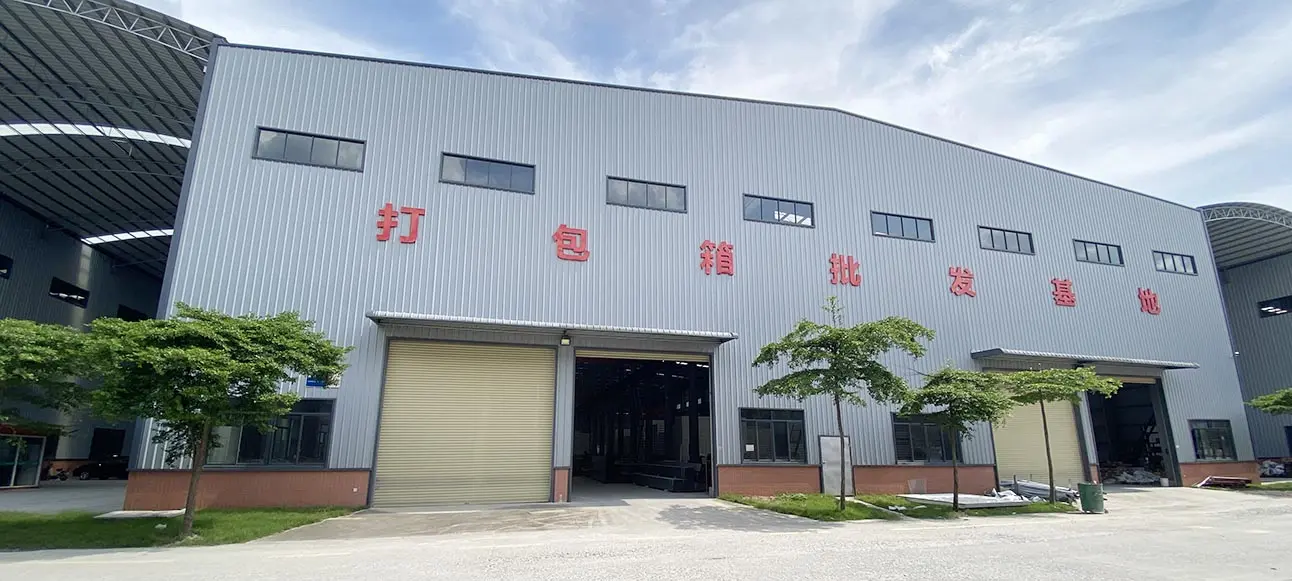
House Modular Building is a leading production-oriented manufacturer possessing deep technical expertise and global experience in engineering high-quality container houses and prefabricated buildings.
To assure rapid delivery and seamless maritime logistics, we have established two advanced production bases in the North and South of China. This strategic setup enables optimized freight paths to major Central American ports such as Puerto Caldera on the Pacific coast and Puerto Limón on the Caribbean coast. We support comprehensive OEM/ODM projects, providing distributors and construction firms in Costa Rica with highly customizable, scale-ready components.
Our operation currently spans over 200 dedicated employees, where specialized design and engineering R&D personnel account for more than 30% of the entire workforce. Over 60% of our production line crew possess more than 5 years of hands-on expertise in the modular shell fabrication industry, while the core engineering leadership boasts over a decade of dedication to building materials, structural design, and international code compliance.
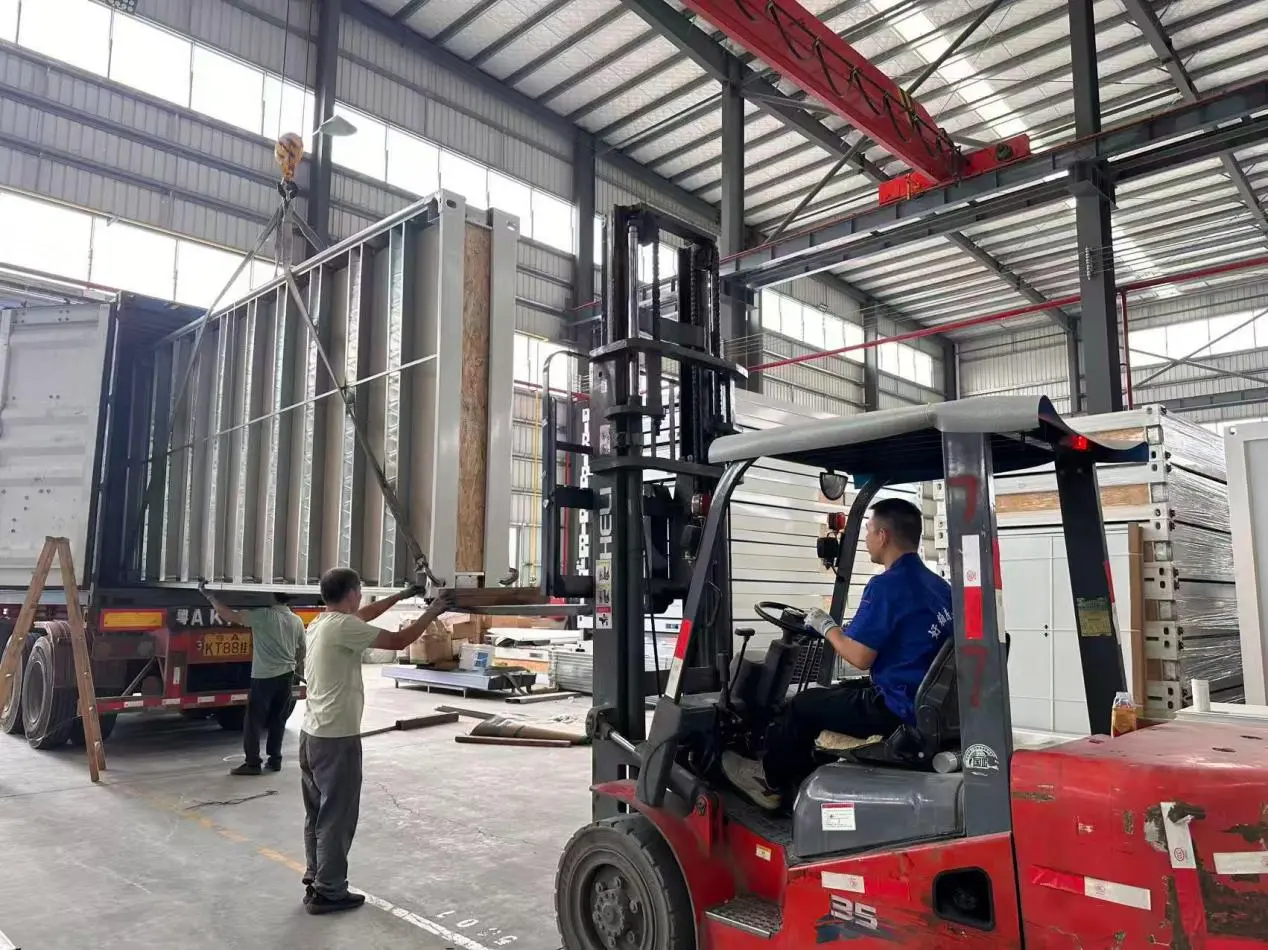
From the procurement of raw steel components to automated precision welding, and ultimately to structural load testing and final shipping packaging, House Modular ensures every container unit leaves our facility certified for high-durability service.
Let our design team model your structural requirements using BIM software for exact local fit.
Contact Technical TeamAs the construction industry transitions toward absolute net-zero operational energy, House Modular is leading the integration of smart electrical sub-systems and next-generation phase-change materials (PCMs) within our envelope designs. By embedding micro-encapsulated thermal mass agents within the wall boards, our modules actively damp temperature oscillations, keeping interior spaces cooler during Costa Rica's intense peak sunshine hours and minimizing reliance on mechanical cooling.
Furthermore, our future configurations incorporate integrated structural attachments for solar roofing arrays (PV panels) and battery storage banks, making our container houses entirely energy-autonomous. This is critical for off-grid boutique resorts or research outposts in isolated rainforest locations.
Logistical and assembly efficiency remains a primary R&D focus. We are developing the next generation of hybrid telescopic containers that combine the rapid transport footprint of standard flat-pack systems with the large volumetric dimensions of high-end architectural suites. By employing proprietary mechanical locking tracks and heavy-duty rubber weather gaskets, on-site structural assembly can be achieved by a small crew with minimal heavy machinery.
We are also partnering with localized foundations contractors in Costa Rica to develop pre-certified helical pier designs. This combination minimizes earthwork and concrete usage, making modular structures the standard for sustainable construction.
Crucial answers regarding regulatory compliance, climate adaptability, logistics, and site engineering.
Yes, all permanent structures, including modular container houses, must comply with the regulations of the Colegio Federado de Ingenieros y de Arquitectos (CFIA) and local municipal planning offices. Our engineering team provides detailed structural, electrical, and mechanical drawings (CAD/BIM format) that can be easily submitted by your registered local Costa Rican architect or civil engineer for approval.
We apply heavy-duty hot-dip galvanization to all structural framing members, followed by a multi-phase marine coating system (epoxy primers and polyurethane topcoats). This formulation is designed to resist high salinity levels, moisture exposure, and aggressive coastal UV rays, ensuring a life-to-first-maintenance of over 15 years even in beachfront installations.
Absolutely. The structural steel frame acts as a cohesive space truss. Its ductile nature enables it to absorb and disperse the ground forces generated during tectonic movement, offering significantly higher safety margins than unreinforced concrete blocks or low-quality timber. All engineering calculations align with standard seismic parameters of the CSCR.
For maximum thermal performance, we recommend our 75mm or 100mm high-density polyurethane (PU) core sandwich wall panels. This material acts as a barrier to heat transfer, helping control indoor temperatures and lowering energy consumption when using air conditioning. We also offer double-glazed Low-E windows for optimized solar heat gain performance.
Depending on the order volume and customization parameters, fabrication at our factories takes approximately 20 to 30 days. Maritime transport to Costa Rican ports typically requires another 20 to 28 days. Because our flat-pack modules stack like standard ISO containers, shipping rates are highly competitive compared to oversized prefabricated systems.
Browse our range of structural configurations, customized and optimized specifically for industrial, residential, and retail installations across Central America.