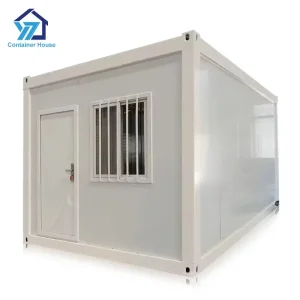
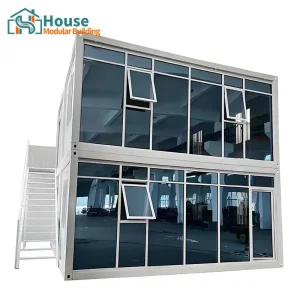
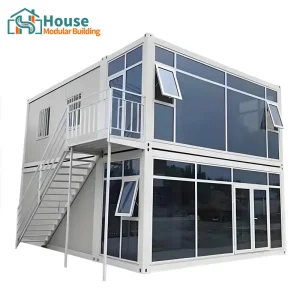
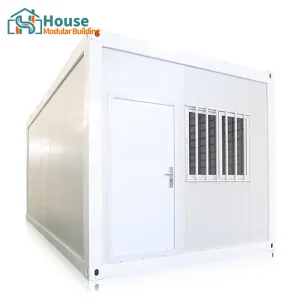
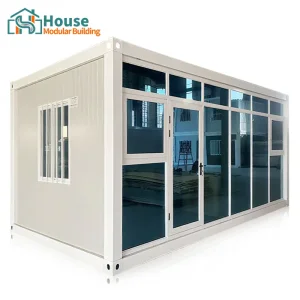
Pre-engineered structures optimized for fast deployment and severe wind loads
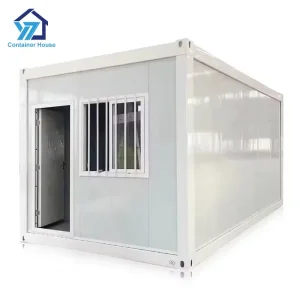
A structural whitepaper on localized engineering demands, logistics, and macroeconomic growth
Azerbaijan is strategically positioned as a critical logistics and energy hub at the crossroads of Eastern Europe and Western Asia. The nation's rapid industrialization program, spurred by major projects in the Caspian Sea oil and gas fields, the development of the Alat Free Economic Zone (AFEZ), and extensive infrastructure redevelopment in the Karabakh region, has created unprecedented demand for rapid, durable, and highly scalable building systems.
Traditional brick-and-mortar construction projects face significant setbacks in Azerbaijan due to remote site locations, extreme climatic fluctuations (ranging from sub-zero winter temperatures in mountainous Ganja and Shusha to heavy wind profiles in Baku, known colloquially as the "City of Winds"), and the necessity for immediate deployment. Modular container houses and flat-packed structural systems offer the ultimate technical solution, reducing construction timelines by up to 70% while satisfying international building code standards.
Sourcing modular structures for the Azerbaijani market requires specific structural engineering adaptations:
| Technical Parameter | Standard Specification | Azerbaijan Enhanced Standard (Absheron/Karabakh) |
|---|---|---|
| Structural Frame Steel | 2.0mm - 2.5mm Q235B Galvanized | 3.0mm+ Q345B High-Tensile Galvanized Steel |
| Insulation Materials | 50mm EPS (Expandable Polystyrene) | 75mm - 100mm High-Density Rock Wool (Fire Class A1) / PU Panel |
| Wind Load Resistance | 90 km/h (Class 9) | 120 km/h - 140 km/h (Class 11-12) |
| Seismic Acceleration | Zone 2 (Moderate) | Zone 4 / 8-9 Magnitude Resilience (GOST compliant structural calculation) |
| Floor Structure Load | 2.0 kN/m² | 3.5 kN/m² (Reinforced fiber cement board + heavy-duty PVC laminate) |
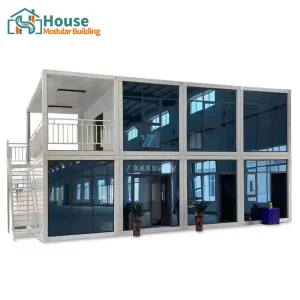
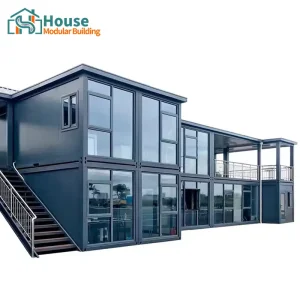
Engineered for high-density administrative complexes and localized retail hubs
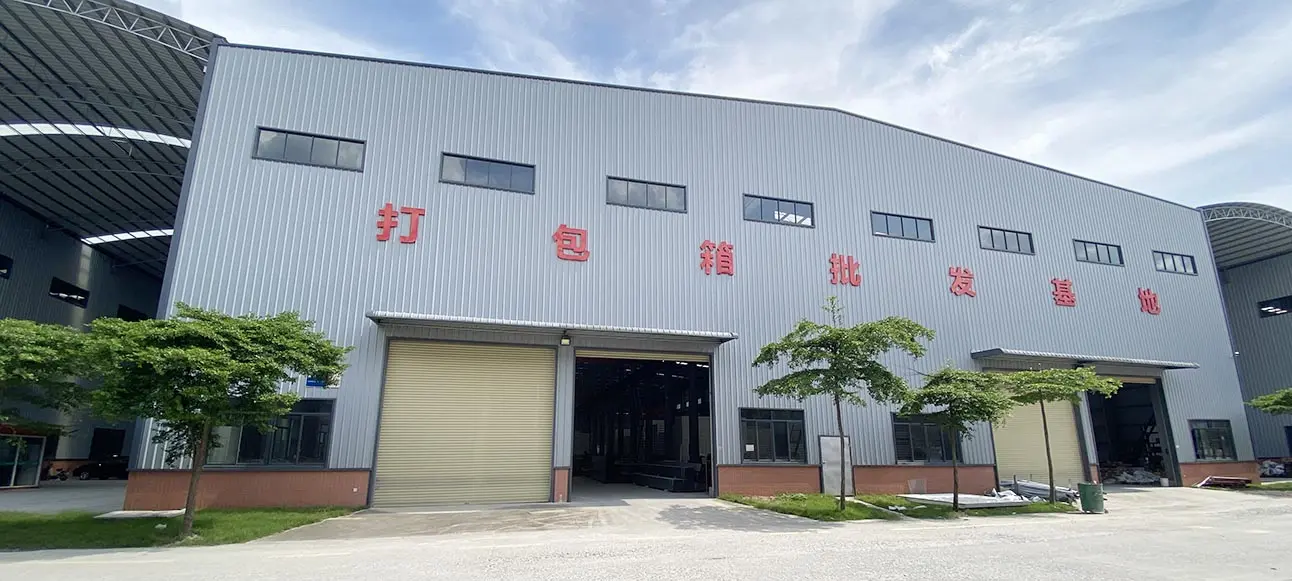
Our manufacturing capacity leverages the ultimate duality of global distribution. By maintaining integrated, massive production bases in both the North and South of China, we circumvent regional raw material fluctuations and domestic transport limits. This dual-base setup allows us to select the most cost-efficient, lightning-fast freight paths to Azerbaijan.
House Modular Building has accumulated profound, multi-decade domain expertise in fabricating pre-engineered container systems. Our production footprint houses a multi-disciplinary team comprising over 200 dedicated staff members. Critically, our in-house structure, shell R&D, and engineering optimization teams comprise more than 30% of our entire workforce.
Over 60% of our operational production force possesses more than 5 years of precision modular manufacturing tenure, with core senior engineers and logistics planners logging over 10 years of direct involvement in large-scale building materials and complex structural exports.
This concentrated engineering capability enables us to offer deep OEM/ODM customization. Whether adapting to strict seismic coefficients or tailoring bespoke floorplans for high-density administrative complexes in the Alat Free Economic Zone, we deliver blueprints and calculations backed by structural analysis software.
Shipping prefabricated structures from China to Baku, Ganja, or Alat is optimized through the Trans-Caspian International Transport Route (TITR), commonly referred to as the Middle Corridor. Our flat-packed design allows up to 4 standard 20ft container houses to be bundled together into a single package, matching the precise dimensions of an ISO 20ft shipping container. This "4-in-1" shipping methodology reduces sea and rail freight costs by up to 75% compared to pre-assembled volumetric boxes.
From our northern base, cargo route runs through Lianyungang/Qingdao ports, traversing Central Asian rail corridors to Aktau Port in Kazakhstan, and crossing the Caspian Sea directly to the Port of Baku (Alat). From our southern base, oceanic shipping via the Suez Canal connects to Georgian ports (Poti/Batumi) with direct rail freight connecting directly into Azerbaijan.
Complete custom product listings with structural integrity certifications
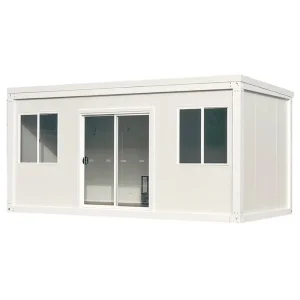
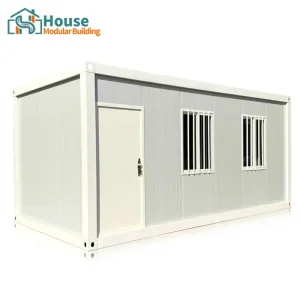
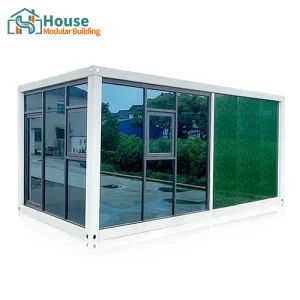
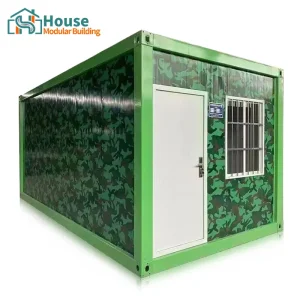
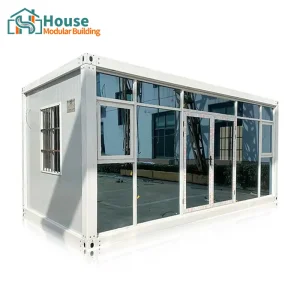
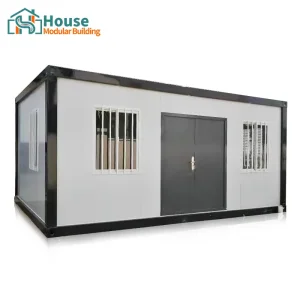
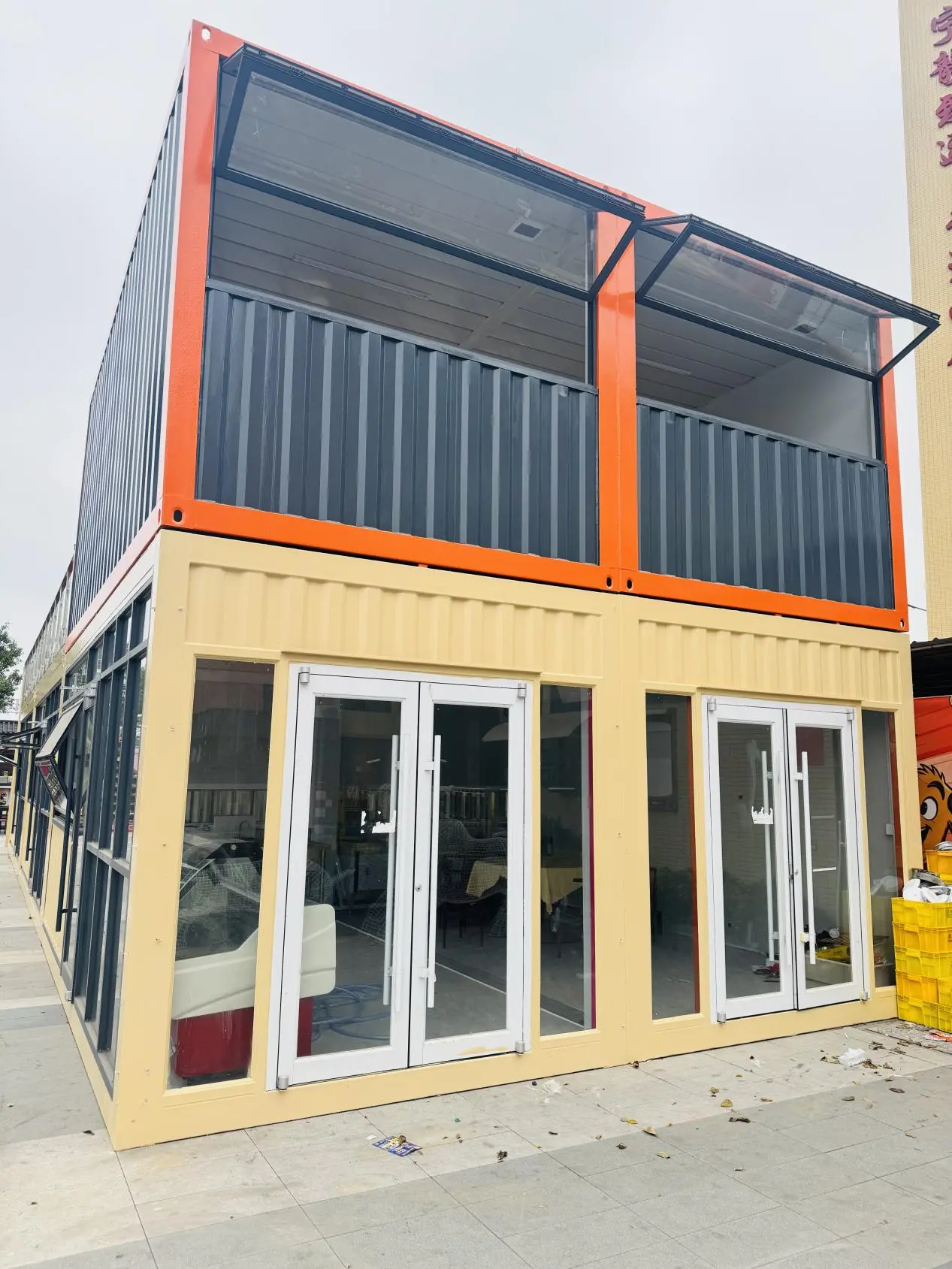
To sustain our reputation as a trusted vendor in the Caucasus, our production process undergoes exhaustive quality audits. Starting from raw hot-rolled coils, structural profile roll-forming is monitored for dimensional precision.
Our ISO-certified manufacturing flow includes automated welding stations, computerized blast cleaning to remove oxides, and precise powder coating layers. A final pre-shipment structural assembly check ensures that upon arrival in cities like Baku or Sumqayit, the units slide and lock together without errors, preventing labor delays on remote sites.
Partner with a leading factory holding over 10 years of export experience. Get customized structural designs, seismic-rated configurations, and direct Middle Corridor logistical routing.
Send Inquiry Now House Modular Building