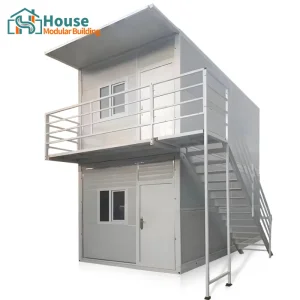
High-performance foldable units configured for prompt distribution across Hokkaido, Kanto, and Kansai districts.
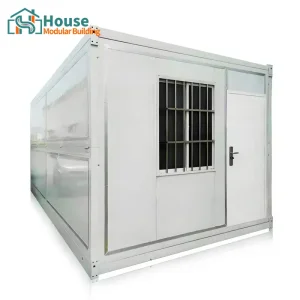
Japan's construction sector faces a structural transformation. With a steadily aging workforce (Koreisha), severe labor shortages, and rising material costs, conventional in-situ construction methods are increasingly unsustainable. Additionally, Japan's vulnerability to seismic activity requires that all temporary and permanent modular structures adhere to rigid structural codes. Under the Japanese Building Standards Act (Kenchiku Kijun-hō), particularly Article 37, materials used in building structures must meet stringent national safety guidelines.
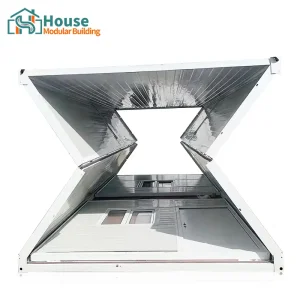
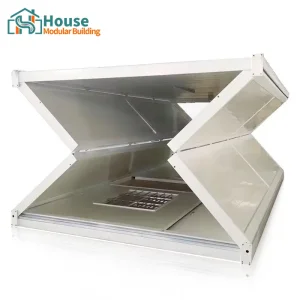
For site managers in the Tokyo Metropolitan Area or Osaka Prefecture, folding container houses present a highly viable solution. The ability to deploy emergency shelter, command centers, and site offices within minutes addresses key infrastructure pain points. Furthermore, the "2024 Problem" (2024-nen Mondai), which limits driver overtime in Japan, has stressed traditional logistics networks. Foldable containers maximize logistics efficiency: up to 10 folded units can be transported on a single standard trailer, dramatically reducing fuel consumption, driver hours, and overall carbon footprint.
Our structural steel framing complies with JIS G 3101 (SS400 steel) specifications. Each load-bearing pillar and hinges system is precision-calculated to withstand significant seismic waves, utilizing high-tensile structural pins designed specifically for high-frequency vibration environments.
From tight urban sites near Tokyo train stations to remote construction layouts in Nagano's mountainous terrain, the folding container's compact layout ensures seamless site integration and rapid fold-down storage when projects conclude.
Detailed structural parameters designed to meet local thermal insulation requirements, heavy snow loads, and wind resistance guidelines.
Japanese prefectures vary widely in environmental demands. Tohoku and Hokkaido require high thermal protection to mitigate cold temperatures, whereas southern prefectures like Okinawa demand robust wind resistance to withstand summer typhoons. Our folding container houses utilize high-density polyurethane (PU) or rockwool sandwich panels (density ≥ 40kg/m³) to achieve superior thermal efficiency. The folding seams are protected by double-layered EPDM weatherstripping, preventing cold draughts and water ingress during heavy rains.
Structurally, our units are engineered to handle a design wind pressure of up to 0.50 kN/m² (equivalent to 40 m/s wind speed, conforming to regional wind pressure standards of MLIT - Ministry of Land, Infrastructure, Transport and Tourism). Roof panels feature an integrated drainage channel layout, with water channeled through the interior column structural channels, preventing facade staining and ice dams in freezing regions.
Our engineering team provides comprehensive PDF layouts and calculations for local municipal reviews.
For Japanese procurement officers, purchasing directly from a high-capacity Chinese modular factory ensures competitive pricing, manufacturing precision, and scale. Our manufacturing facility represents the peak of Factory 4.0 automation. Equipped with robotic gas metal arc welding (GMAW) units and CNC laser cutting systems, we ensure a tolerance margin of less than 0.5mm across all structural elements. This level of precision is essential for folding containers, as even minor deviations in hinge alignment can impede rapid site setup and compromise structural integrity.
By establishing production bases in both the Northern and Southern industrial corridors of China, we provide strategic logistics flexibility. Shipments targeting northern Japan (Hokkaido/Tohoku) are dispatched via major northern ports like Qingdao or Tianjin to reduce transit time, while Kansai and Kyushu regions are served via southern shipping lanes from Ningbo or Shenzhen. This vertical integration keeps shipping times predictable and ensures a stable supply chain, mitigating risk in volatile global logistics markets.
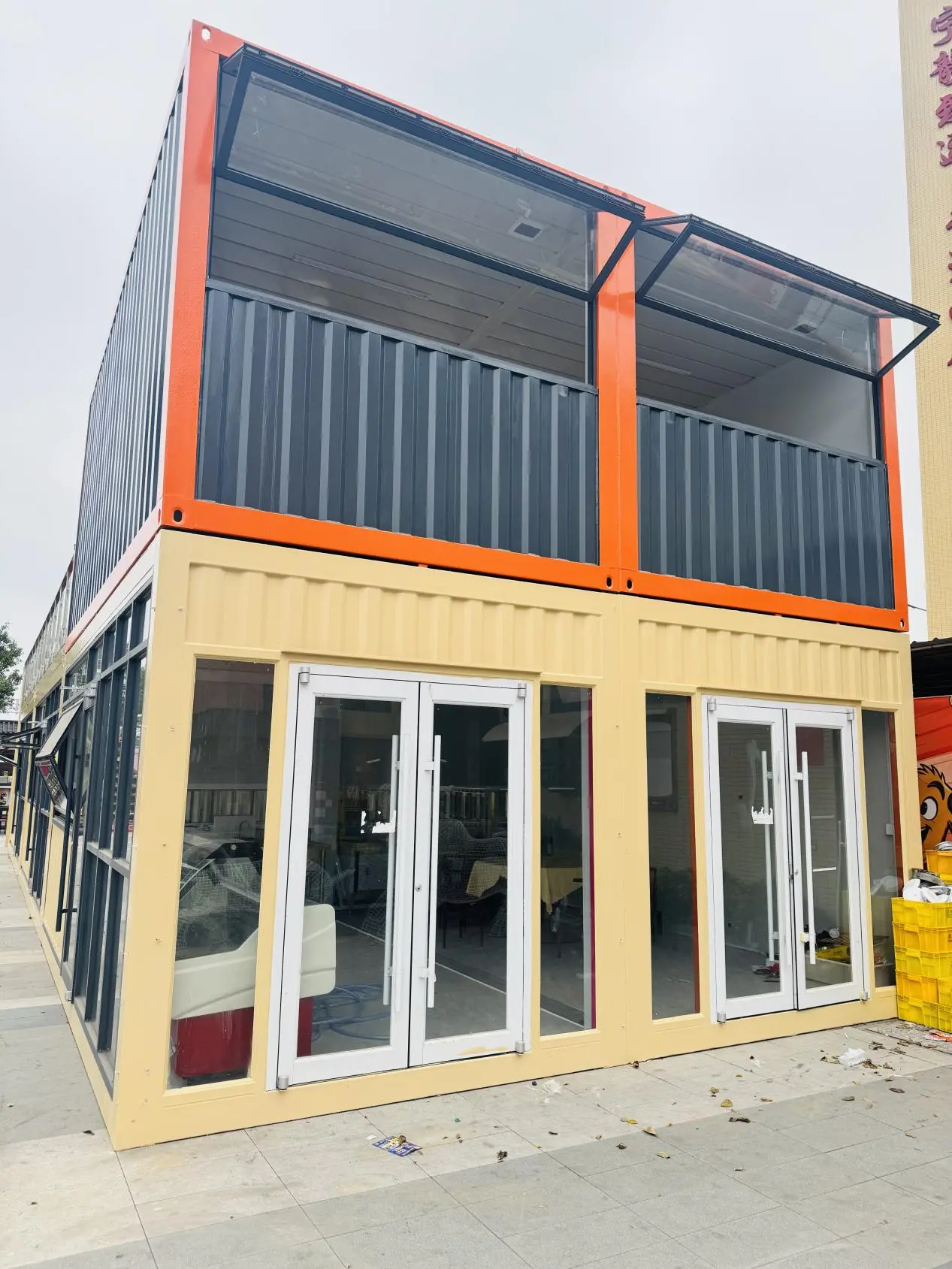
From dense urban redevelopment projects in Kanto to off-grid ecological resorts in the Japanese Alps.
In the event of earthquakes or typhoons, local municipal governments require rapid, hygienic, and insulated housing solutions. Our folding container houses can be erected in under five minutes with a light crane, serving as immediate family shelters or administrative centers.
Designed for highway projects, high-speed rail construction (Shinkansen extensions), and inner-city redevelopment projects. Double-glazed windows provide sound insulation, offering a quiet workspace amidst active construction zones.
 House Modular Building