 House Modular Building
Engineered specifically for the demands of urban development hubs and heavy-industry sites throughout Malaysia, these top modular configurations maximize transport efficiency without compromising load-bearing performance.
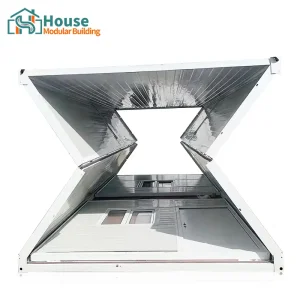
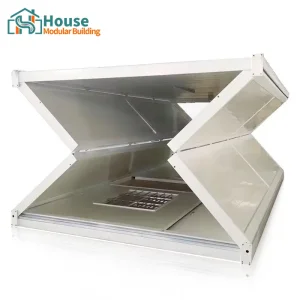
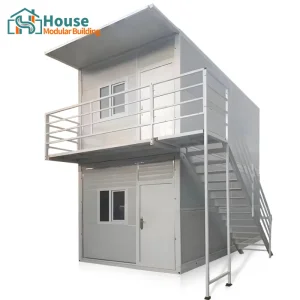
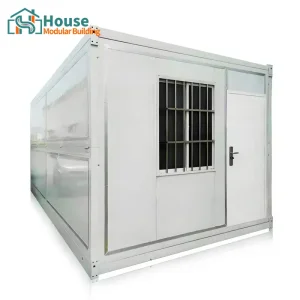
Malaysia's physical infrastructure landscape is undergoing rapid, high-growth expansion. Major national projects such as the East Coast Rail Link (ECRL), massive new data center installations in Johor, urban housing initiatives, and remote agricultural developments have placed unprecedented demand on immediate, scalable structural systems. Historically, standard field construction methods yielded high labor expenditures, extended timelines, and severe carbon footprints. The transition toward advanced folding container houses in Malaysia addresses a crucial logistics challenge: how to establish structural integrity at speed, under tight budgets, and in geographically challenging conditions.
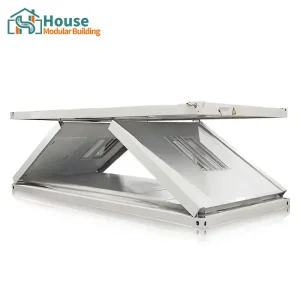
As the Malaysian government reinforces its push toward green building initiatives and Sustainable Development Goals (SDGs), the Construction Industry Development Board (CIDB) has actively promoted Industrialised Building Systems (IBS). A folding container house represents the pinnacle of modern IBS technology—highly engineered, manufactured in controlled environments, rapidly transportable, and recyclable. Its collapsible design allows bulk shipment of multiple units on a single trailer bed, minimizing carbon emissions during regional transportation and ensuring that projects launch on schedule.
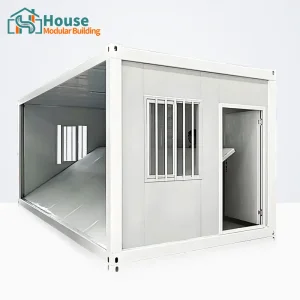
From the bustling ports of Klang and Johor to the rugged terrains of East Malaysia (Sabah & Sarawak), developers, contractors, and multinational project planners are abandoning traditional timber cabins and slow-building flat-pack units in favor of heavy-duty foldable containers. The structural advantage lies in their pre-welded hinges, pre-installed window and door frames, and factory-integrated electrical circuits. Within minutes, a collapsed 20ft module unfolds into a fully operational office or living quarter, optimizing site management efficiency to unprecedented levels.
Operating a modular construction business in Southeast Asia requires a deep understanding of local meteorological patterns. Malaysia's equatorial climate—characterized by constant high temperatures, intense relative humidity, and high-volume seasonal monsoons—demands specialized structural engineering to prevent premature wear, rust, and internal heat entrapment.
E-E-A-T Technical Insight: Traditional container houses built with standard cold-rolled steel frames fail rapidly under coastal Malaysian salt air. Our specialized folding units integrate heavy-duty hot-dip galvanized steel frames with a protective zinc coating density exceeding 120g/m², coupled with multi-layered epoxy primers and weatherproofing polyurethane finishes.
Our folding container walls feature high-density (up to 60 kg/m³) rockwool or flame-retardant glass wool sandwich panels, options engineered to minimize thermal conductivity (K-value). When combined with double-glazed glass curtain walls, the interior solar heat gain is slashed by up to 65%, vastly reducing the load on local air conditioning units and lowering building lifecycle electricity costs.
Explore customized structural applications deployed to meet specialized agricultural, commercial, and industrial requirements in Peninsular and East Malaysia.
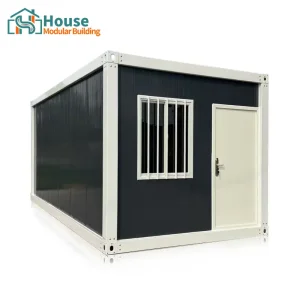
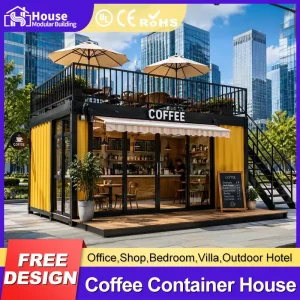
For Malaysian EPC (Engineering, Procurement, and Construction) companies and industrial project developers, selecting the right manufacturing base is the difference between achieving project profitability and suffering severe delays. While regional fabrication workshops exist in Peninsular Malaysia, sourcing folding container units directly from major Chinese modular production factories offers profound economic and qualitative advantages.
1. Unrivaled Economies of Scale: Large Chinese production hubs handle thousands of metric tons of structural steel daily. Automated robotic welding lines, computerized profiling machines, and synchronized assembly processes ensure that dimensional tolerances are held within sub-millimeter margins. This structural accuracy is impossible to replicate in manual, localized fabrication setups.
2. Dynamic Customization (OEM/ODM): Chinese factories maintain highly integrated supply networks. Whether a project in Kota Kinabalu requires specific Suruhanjaya Tenaga (Energy Commission of Malaysia) compliant electrical components, marine-grade anti-corrosive coatings, or special 75mm Polyurethane (PU) insulation, the materials are sourced, tested, and integrated at the factory level. This guarantees that units arrive at Port Klang or Johor Port ready for local compliance sign-off.
3. Shipping & Logistical Efficiencies: Shipping cost remains a vital variable. Traditional fully assembled cabins are cost-prohibitive to import due to volume-heavy freight rates. The innovative design of the collapsible container house allows up to 10 or 12 fully functional 20ft units to be packed flat and loaded into a single 40ft High Cube (HQ) shipping container. Sourced from Chinese ports, this shipping layout cuts international freight rates per unit by up to 80% compared to rigid pre-assembled cabins.
To help regional sourcing managers identify the best modular designs for their specific business domains, we analyze the primary regional application scenarios for collapsible and folding container systems:
Developing staff quarters in deep agricultural plantations or near petrochemical refineries in Pengerang presents severe logistical challenges. The terrain is often unpaved and subject to heavy mud during rainy seasons. Folding container houses can be loaded in batches on compact flatbed trucks, driven into remote estates, and erected in less than an hour per block. The water-resistant structures provide safe, hygienic housing for engineers and labor forces, complete with fire-resistant partition walls.
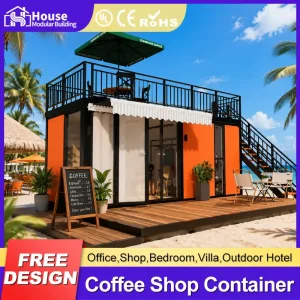
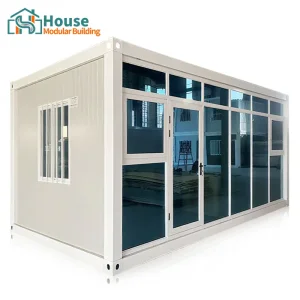
In the leisure, food & beverage, and tourism sectors, speed to market is paramount. Modular container cafes, retail spaces, and boutique glass-wall resort rooms allow businesses to launch operations without securing complex long-term concrete-foundation construction permits. These units can be relocated dynamically to capture shifting tourist traffic patterns, offering unparalleled commercial agility.
East Coast states in Malaysia face cyclical monsoon flooding. Emergency management teams require quick-deployment medical stations and temporary housing units. Folding containers can be stored collapsed at central regional hubs and shipped to disaster zones instantly, providing resilient shelter with pre-configured electrical systems in under 10 minutes of crane setup.
When purchasing folding modular houses from international manufacturers, enterprise procurement teams must establish rigid Quality Assurance (QA) metrics. Use the following essential inspection guidelines before greenlighting mass shipments:
| Structural Component | Sourcing Standard / Target Spec | Testing & Verification Method |
|---|---|---|
| Main Frame Steel | Q235B/Q345B Hot-dip Galvanized Steel (Thickness ≥ 2.5-3.0mm) | Ultrasonic thickness gauge testing & mill certification checks. |
| Joints & Hinges | Heavy-duty stainless steel or zinc-plated structural steel hinge plates | Fatigue testing (minimum 500 folding/unfolding stress cycles). |
| Panel Insulation | 50-100mm Fire-retardant Rockwool / PU (Density ≥ 50kg/m³) | Standard burn chamber combustion tests & density calculations. |
| Weatherproofing | Continuous UV-stabilized EPDM waterproof gasket strips | High-pressure water jet spraying tests across all joints (minimum 2 hours). |
House Modular Building has accumulated rich professional knowledge and extensive manufacturing experience in the global production of heavy-duty container houses and prefabricated modular buildings. Our company maintains a dedicated structural engineering and design team to customize layouts and structural specifications for individual project requirements. Combined with our technical sales division, we provide end-to-end support for contract logistics and customs processes, guaranteeing timely structural deliveries without sacrificing production quality.
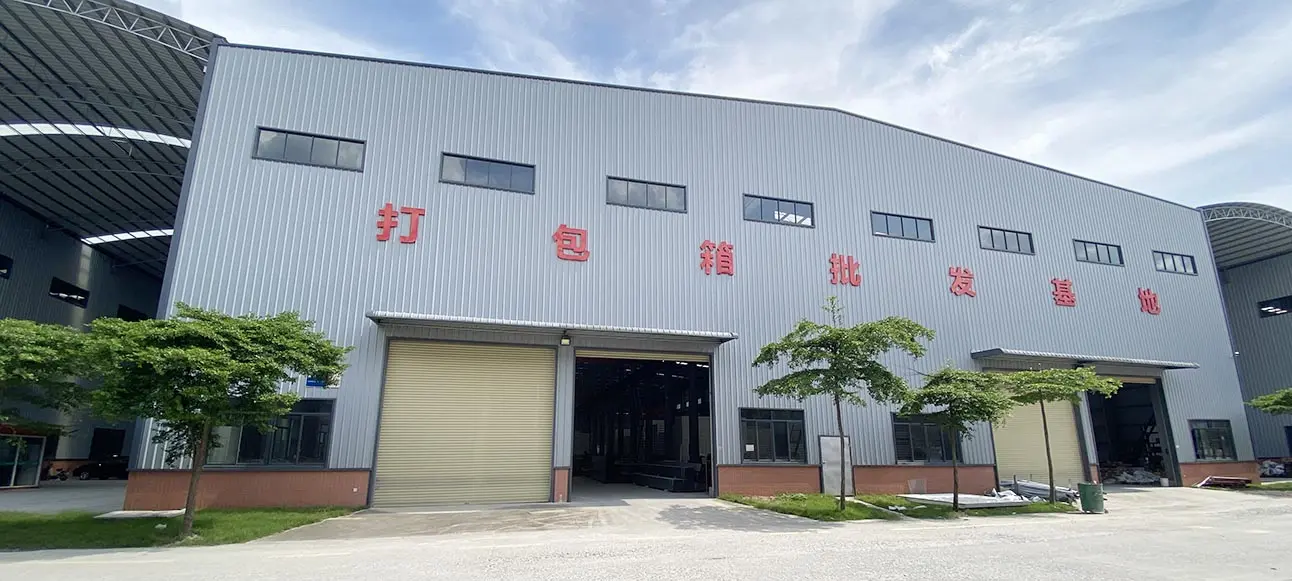
In order to better serve international clients and demonstrate the company's production and delivery capabilities, we have established large-scale production bases in both Northern and Southern China. This strategic footprint allows us to optimize shipping lead times from different ports, matching distinct regional logistics requirements. We fully support OEM and ODM operations in our factory for different countries, providing global distributors with an efficient, mutually beneficial commercial partnership.
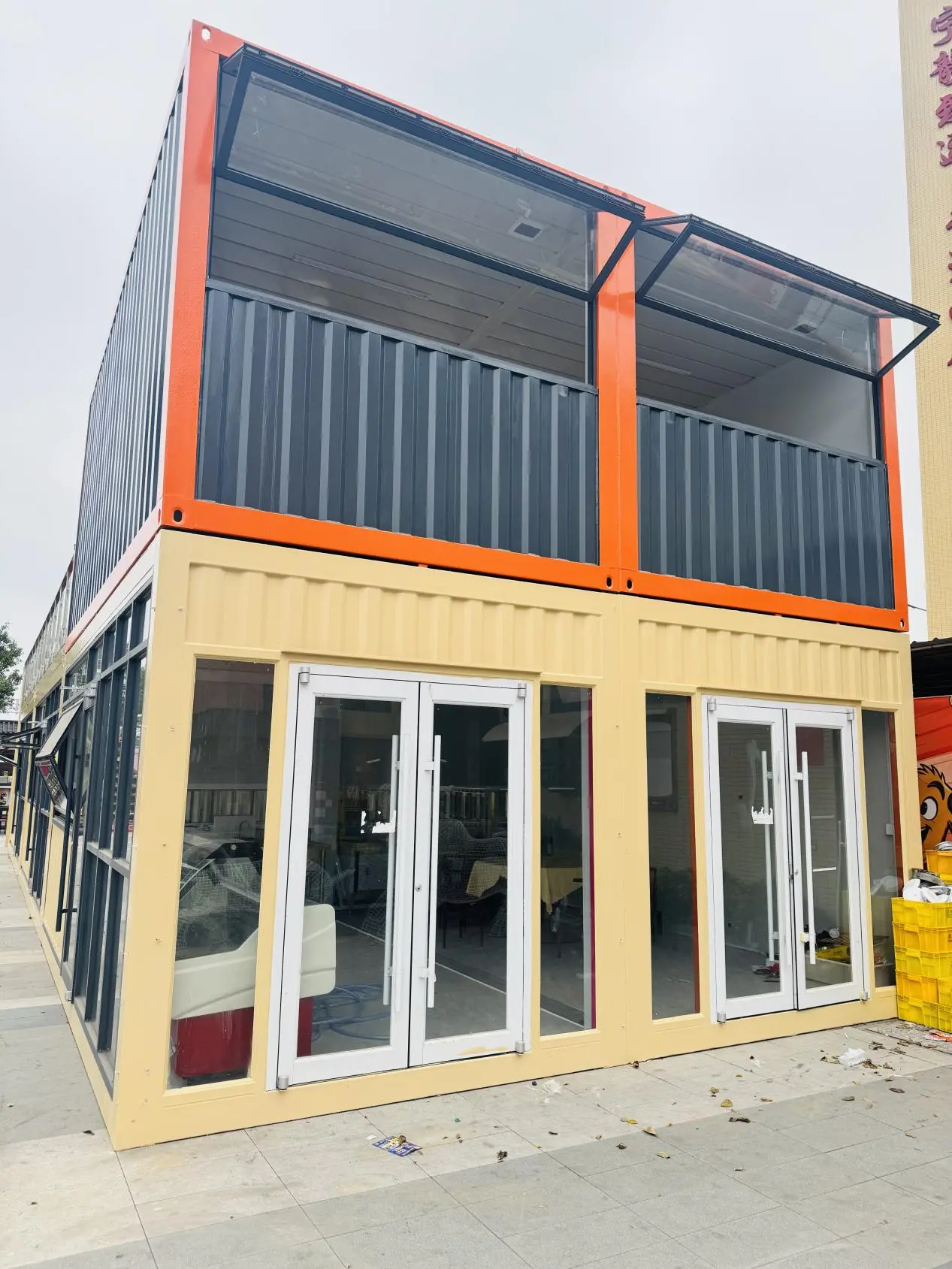
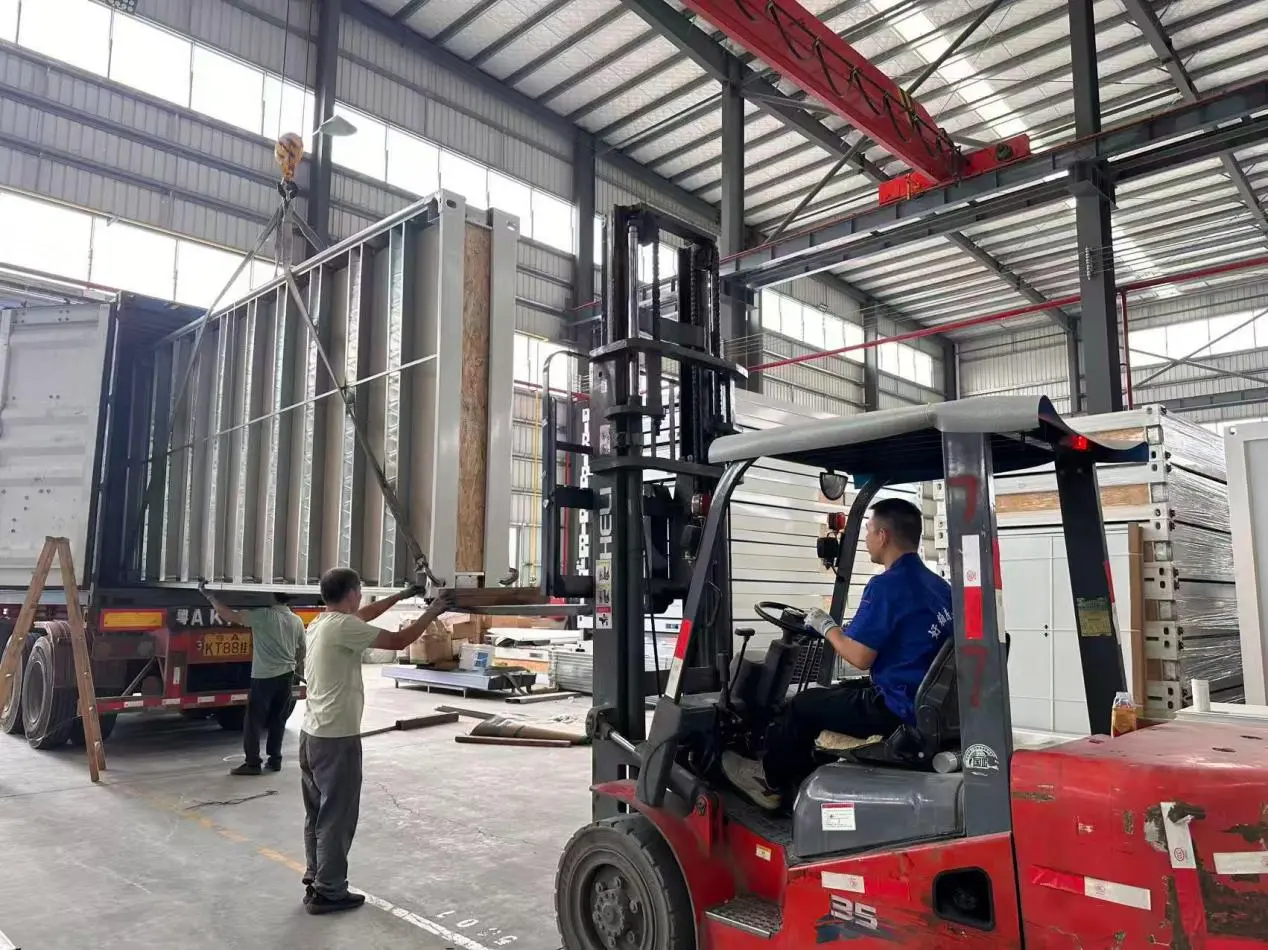
Over our history, verified customer satisfaction and industry recognition have helped us establish comprehensive end-to-end technical capabilities. Our operational workflow ranges from raw metal processing and framing to structural engineering and final installation support.
House Modular is a strictly production-oriented enterprise. The factory currently employs more than 200 workers, with our in-house shell R&D and engineering department accounting for more than 30% of our total personnel. Over 60% of our production line staff have more than 5 years of specialized experience in the modular structures sector, and our core managers bring over 10 years of structural experience to the business. As a premier global supplier of container houses, we maintain a robust, reliable workforce prepared to solve complex structural and logistical challenges for our clients.
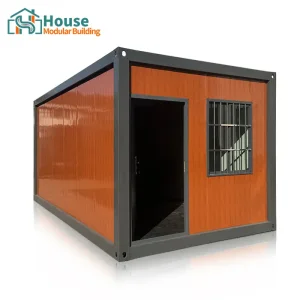
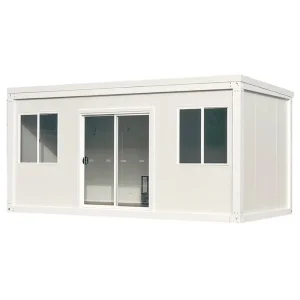
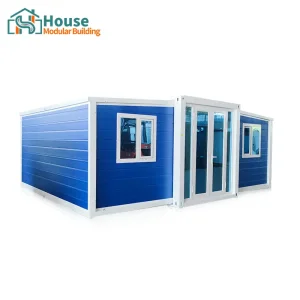
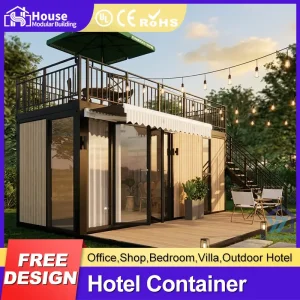
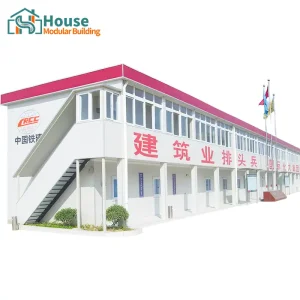
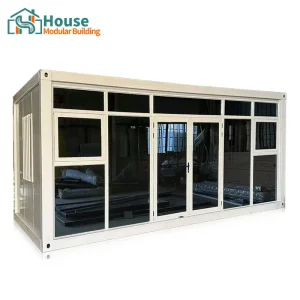
Select from our full catalog of commercial, retail, residential, and emergency modular housing systems. These units are built on standardized industrial platforms, ready for shipping and immediate on-site integration.
Browse our detailed technical and logistical answers designed to assist procurement managers and structural engineers planning projects in Malaysia.
Connect with our engineering division to request custom structural drawings, load calculations, shipping quotes, and volume discounts for your next installation in Malaysia.
Send Inquiry Now