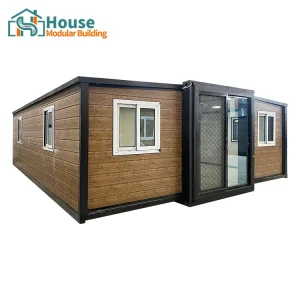
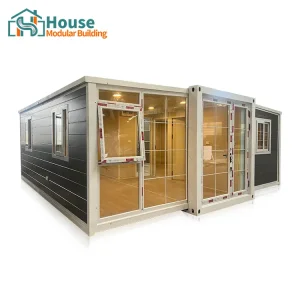
High-performance expandable structures optimized for transport logistics and immediate deployment in West Africa.
A deep dive into how dry-construction systems solve structural deficits in rapidly expanding metropolitan hubs.
Nigeria’s macroeconomic shift has presented an unprecedented infrastructure gap. With an urban transition rate exceeding 4.3% annually, traditional masonry construction is failing to keep pace with demand. The skyrocketing costs of traditional building materials—most notably cement, reinforcing steel bars, and river sand—have rendered standard residential developments cost-prohibitive. In cities like Lagos, Abuja, and Port Harcourt, property developers and government agencies are actively searching for fast-assembly, highly insulated, and relocatable building systems.
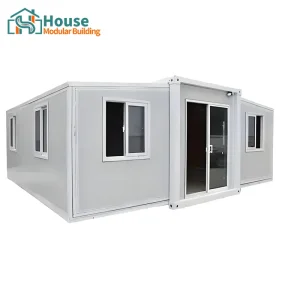
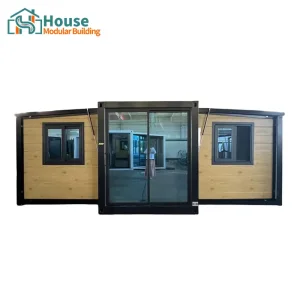
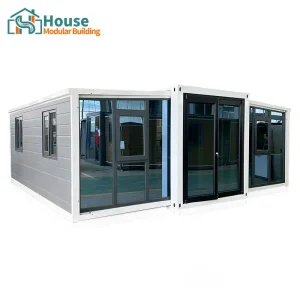
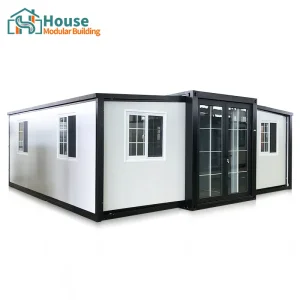
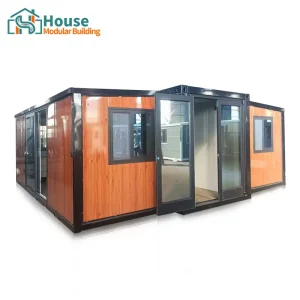
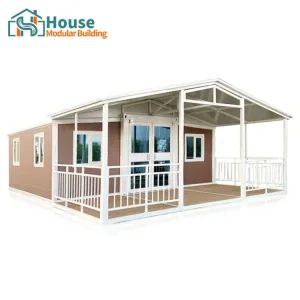
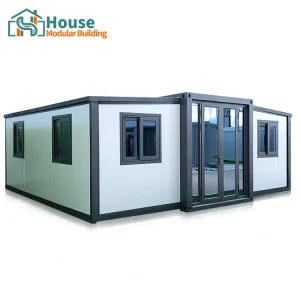
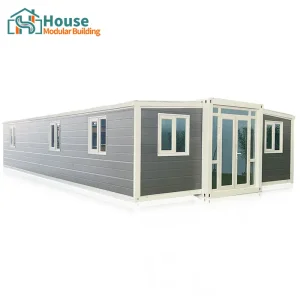
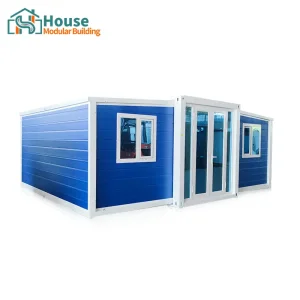
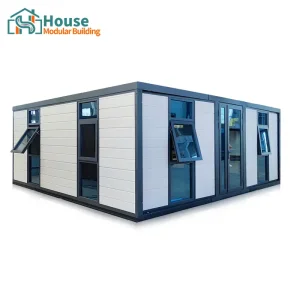
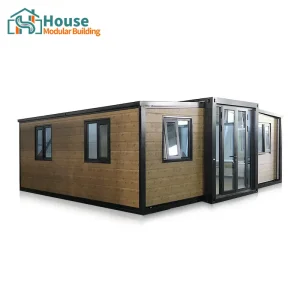
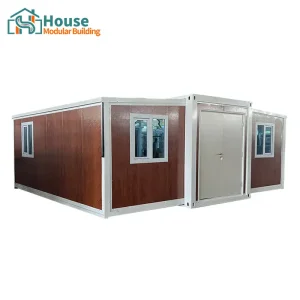
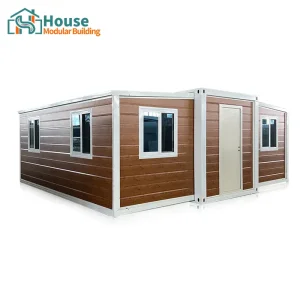
Expandable container houses represent the peak of modern modular engineering. Built using high-strength Q235B or Q345B steel frames and wrapped in high-density polyurethane (PU) or rockwool sandwich panels, these units can be transported via standard flatbed trucks and expanded on-site to three times their shipping volume in less than three hours. This eliminates the lengthy foundation preparation and masonry curing times typical of traditional sub-Saharan construction.
Comparing expandable container houses against traditional West African wet construction systems.
| Specification Feature | Traditional Concrete Block Masonry | Expandable Modular Container Systems | Nigerian Market Advantage |
|---|---|---|---|
| Erection Speed | 6 to 12 months per structure | 2 to 4 hours on-site expansion | Drastic reduction in project financing costs and local labor vulnerabilities. |
| Thermal Insulation | Poor (Concrete blocks retain and radiate heat) | 75mm/100mm PU or Rockwool panels | Saves up to 45% in HVAC cooling costs under tropical conditions. |
| Seismic & Wind Resistance | Low elasticity; susceptible to structural cracks | Grade 10 Wind resistance (up to 120 km/h) | Resilient against intense coastal storm surges and strong seasonal winds. |
| Foundation Requirements | Deep concrete strip/pile foundation required | Light concrete pad, strip, or steel screw piles | Overcomes marshy/swampy soil challenges in coastal areas like Lekki & Delta State. |
| Relocatability | Zero (Permanent structure) | 100% Mobile (Can be folded and re-transported) | Excellent for temporary site offices, military encampments, and rental lands. |
How local industries apply modular engineering across Nigeria's diverse climatic and economic regions.
Coastal regions of Lagos, such as Lekki, Epe, and Victoria Island, are built on reclaimed, marshy land. Traditional structures suffer from structural shifting and dampness. Expandable containers sit perfectly on raised concrete block piers, bypassing direct soil contact and preventing dampness while accommodating quick population expansion.
In remote extraction regions of Port Harcourt, Warri, and Bayelsa, setting up safe, secure accommodation for engineering personnel is logistically difficult. Double-sided expandable containers with integrated security screens, fireproof rockwool walls, and multi-bedroom setups provide secure, air-conditioned workspace environments.
In agricultural areas like Kaduna, Jos, and Kano, our customizable modular units are integrated with solar panels and rainwater collection systems to support remote workforces. Their light color designs reduce solar thermal absorption, maintaining comfortable interior temperatures in semi-arid zones.
How our dual production hubs guarantee supply chain resilience for large-scale West African developments.
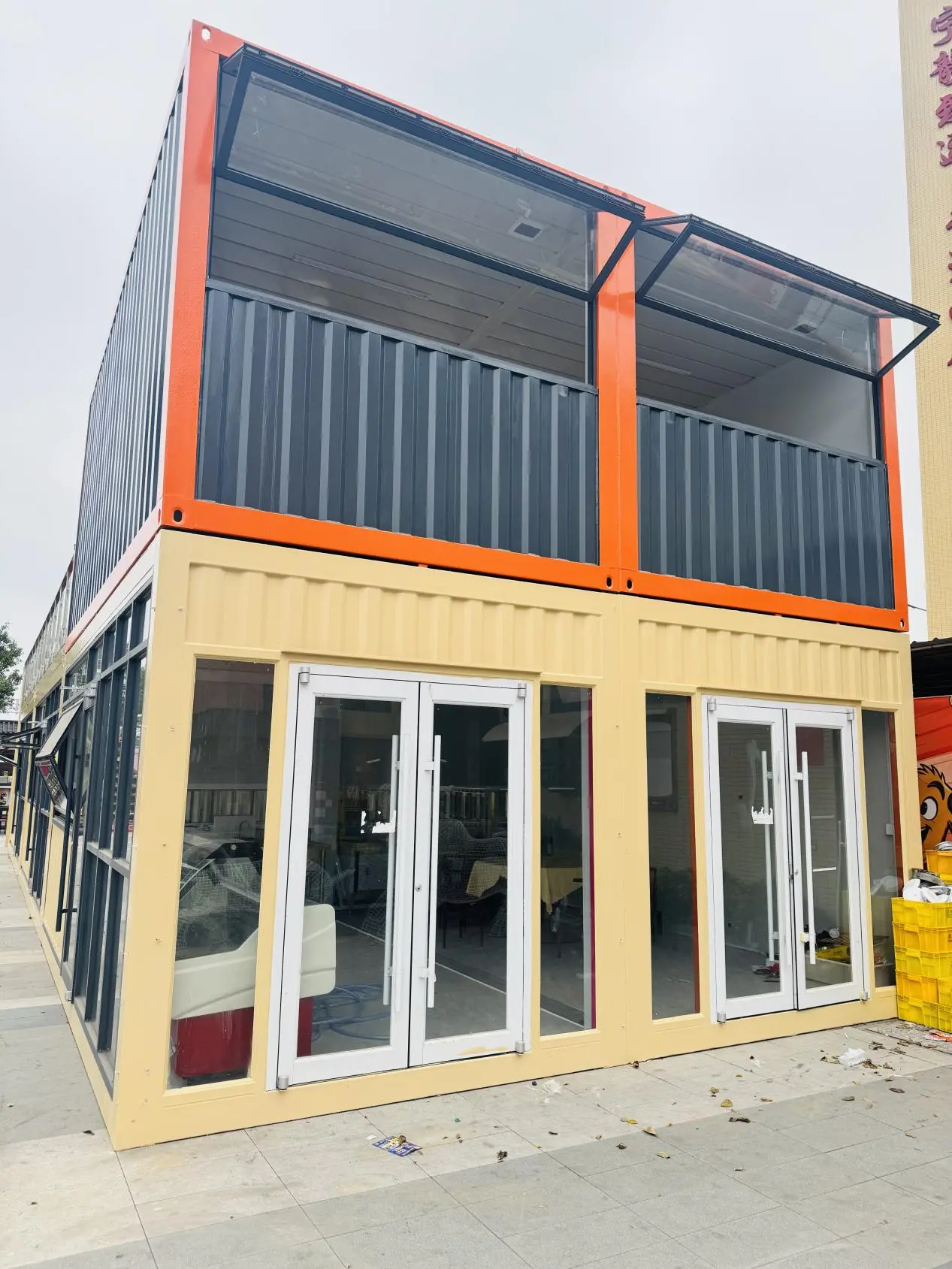
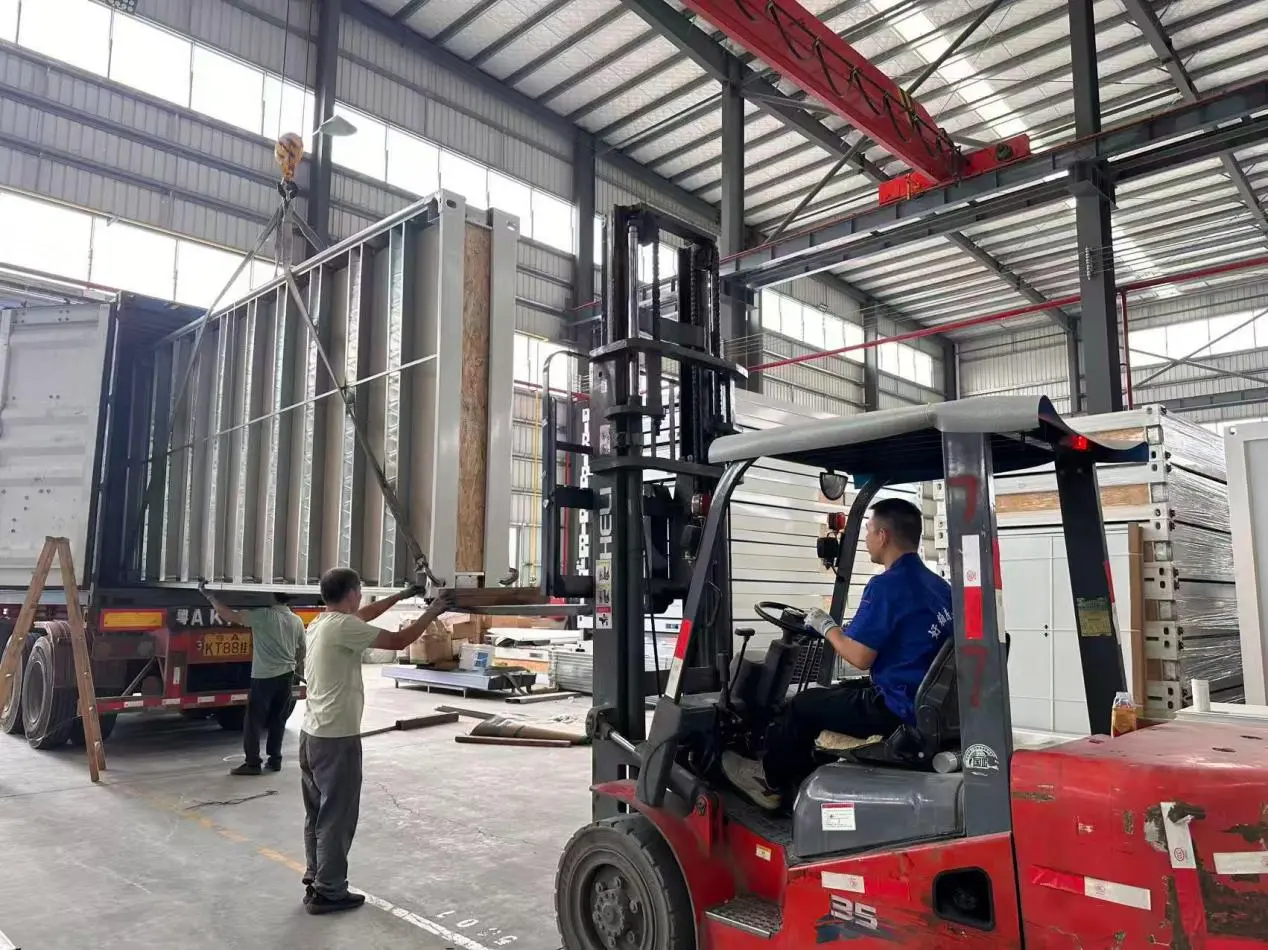
House Modular Building has rich professional knowledge and experience in the production of container houses and prefabricated houses. The company has a design team to provide solution design for customers' needs, a sales team to follow up and serve customers' order requirements, and the factory guarantees product delivery with quality and production efficiency.
In order to better serve customers and demonstrate the company's production and delivery capabilities, we have established production bases in both the north and south of China to provide efficient delivery capabilities to customers with different national needs. We support OEM and ODM operations in our factory for different countries, and provide distributors with a mutually beneficial partnership.
Our company team has comprehensive service capabilities and business technology coverage, starting from the production of raw materials, to the construction and construction of foundations, and then to the construction and operation of service systems. House Modular is a production oriented enterprise with a large production base, featuring a senior professional independent research and development team.
Our manufacturing plants employ more than 200 dedicated staff, where technical personnel focused on housing shell research and development account for more than 30% of the total workforce. Furthermore, over 60% of the team members have over 5 years of experience in the shell production industry, and the core members of the team have worked in the building materials service field for more than 10 years.
This technical foundation enables us to manufacture high-yield steel frames with zero tolerance for deviation, ensuring that when the units reach Lagos, Apapa, or Port Harcourt ports, they expand seamlessly without mechanical binding. As a premier supplier of container houses, we maintain a strong team to support customers and solve structural and logistical challenges.
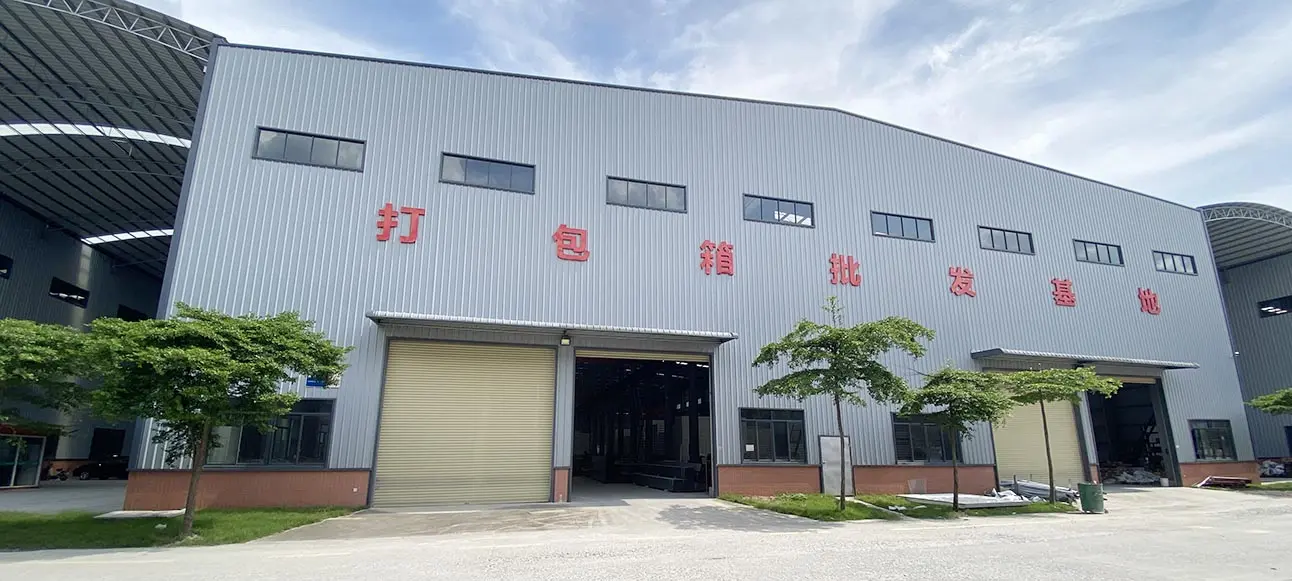
Global Industrial Delivery Infrastructure
Adapting modular technologies for long-term durability in tropical climates.
Tropical weather patterns demand specialized structural coatings. In southern Nigeria, high relative humidity (often exceeding 85%) combined with saline sea breezes triggers rapid oxidation in sub-standard steel. House Modular resolves this through a multi-stage hot-dip galvanization process, coating all structural components in a protective zinc layer exceeding 275 g/m².
Explore our diverse specifications of expandable structures optimized for residential and industrial developers.
Crucial engineering, customs, and site preparation queries answered by our senior technical team.
No, deep monolithic slab foundations are not required. In sandy or swampy soils typical of coastal Lagos, we recommend concrete piers or galvanized steel screw piles. These raise the main structural frame of the container off the wet soil, preventing moisture ingress and facilitating structural adjustment if shifting occurs.
Polyurethane (PU) panels provide the highest thermal resistance value (R-value) for tropical heat mitigation, keeping interior spaces cooler and lowering energy requirements. Rockwool panels, on the other hand, offer superior fire resistance (Class A) and acoustic insulation, making them suitable for industrial locations or oil and gas operational sites.
With hot-dip galvanization coatings, marine-grade protective primers, and regular outer maintenance, these expandable container structures have an engineering lifespan exceeding 30 to 50 years. This holds true even in high-humidity, high-salinity zones near Atlantic coastal paths.
The expandable homes fold flat for transport. They are packed and shipped in customized configurations that fit within 40-foot High Cube (HQ) shipping containers, lowering shipping and handling costs for distributors. Upon arrival at Lagos ports, the units can be easily loaded onto flatbed trailers for nationwide delivery.
Partner with China's leading dual-base prefabricated construction manufacturer. Contact our engineers for localized support, custom drawings, and bulk pricing options.
Send Inquiry Now House Modular Building