The rise of Eco Modular Homes has revolutionized the construction industry globally. A recent report from Allied Market Research indicates that the modular construction market is expected to reach $157 billion by 2023. This growth highlights an increasing demand for sustainable living solutions. China, with its booming economy, stands at the forefront of this trend, attracting global buyers seeking eco-friendly homes.
These Eco Modular Homes are designed to reduce energy consumption significantly. They often incorporate energy-efficient materials and technologies, promoting sustainability. According to a study by McKinsey, modular homes can reduce construction waste by up to 30%. This statistic reflects the commitment to environmentally responsible building practices.
However, challenges remain in this burgeoning sector. Not all Eco Modular Homes meet high environmental standards. It’s crucial for buyers to conduct thorough research and collaborate with reputable manufacturers. While the potential for eco-conscious living is vast, the industry must address quality assurance to ensure that sustainability does not come at the expense of structural integrity. The future of Eco Modular Homes in China is promising, but diligence and informed choices are essential for success.
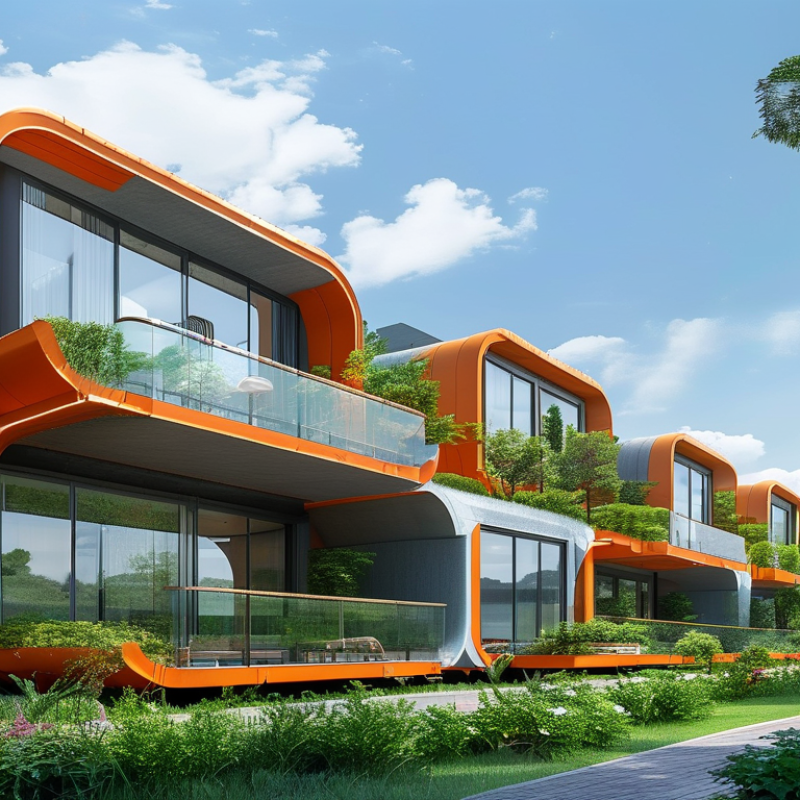
Eco modular homes in China are gaining popularity among global buyers. This trend reflects a shift towards sustainable living. Data from the China National Real Estate Development Group indicates the eco-friendly housing market has grown by 25% over the past five years. This is a significant development, highlighting the increasing demand for sustainability in construction.
The use of prefabricated materials in eco modular homes reduces waste and energy consumption. Reports from the Ministry of Housing and Urban-Rural Development illustrate that prefabricated homes can cut construction time by up to 50%. However, challenges remain. Not all regions in China have access to the same quality of materials. This inconsistency can affect overall building standards and durability.
Moreover, eco modular homes often come with higher upfront costs. While they promise long-term savings on energy bills, not all buyers can justify the initial investment. Local regulations can also complicate approval processes, leading to delays. Understanding these intricacies is crucial for global buyers interested in this emerging market.
| Model | Size (sqm) | Material | Price (USD) | Eco Features |
|---|---|---|---|---|
| Eco Home 1 | 80 | Recycled Steel | 50,000 | Solar Panels, Rainwater Harvesting |
| Eco Home 2 | 100 | Wood and Bamboo | 70,000 | Passive Heating, Green Roof |
| Eco Home 3 | 120 | Prefabricated Concrete | 90,000 | Energy Efficient Insulation, LED Lighting |
| Eco Home 4 | 150 | Recycled Plastic | 110,000 | Sustainable Materials, Water Filtration |
| Eco Home 5 | 90 | Natural Stone | 60,000 | Air Quality Control, Greywater Recycling |
: Eco modular homes use sustainable materials and energy-efficient systems. They aim to minimize environmental impact.
Yes, buyers can tailor layouts to fit their needs. This flexibility appeals to families and vacation homeowners.
Construction is generally faster than traditional homes. This process reduces waste and environmental disruption.
Many homes use recycled materials, solar panels, and innovative insulation methods to enhance energy conservation.
No, quality varies between builders. Some may prioritize speed over sustainability, which affects durability.
Buyers must navigate varying local regulations and quality control issues. Research and transparency are essential.
Seek reliable certifications and question manufacturers about their sustainability claims. Transparency is crucial.
Rapid construction and modern designs are gaining popularity. Buyers look for style paired with sustainability.
Many face inconsistent timelines and costs, making it tough to plan and budget effectively.
A careful selection process is vital. Understanding the market can lead to satisfying investments.
Eco Modular Homes in China have gained significant attention from global buyers thanks to their innovative design and sustainable construction practices. These homes typically feature energy-efficient materials, modern architecture, and flexibility in layout, catering to various lifestyles and environmental considerations.
Leading manufacturers in China are at the forefront of this trend, employing advanced technologies to enhance sustainability in their construction processes. As market demand for Eco Modular Homes continues to rise, buyers are drawn to not only the cost-effectiveness but also the reduced carbon footprint associated with modular living. Overall, the future of Eco Modular Homes in China looks promising, reflecting a growing global commitment to environmentally friendly housing solutions.

 House Modular Building